Rising Waste Fees Amidst Australia’s Fuel Crisis
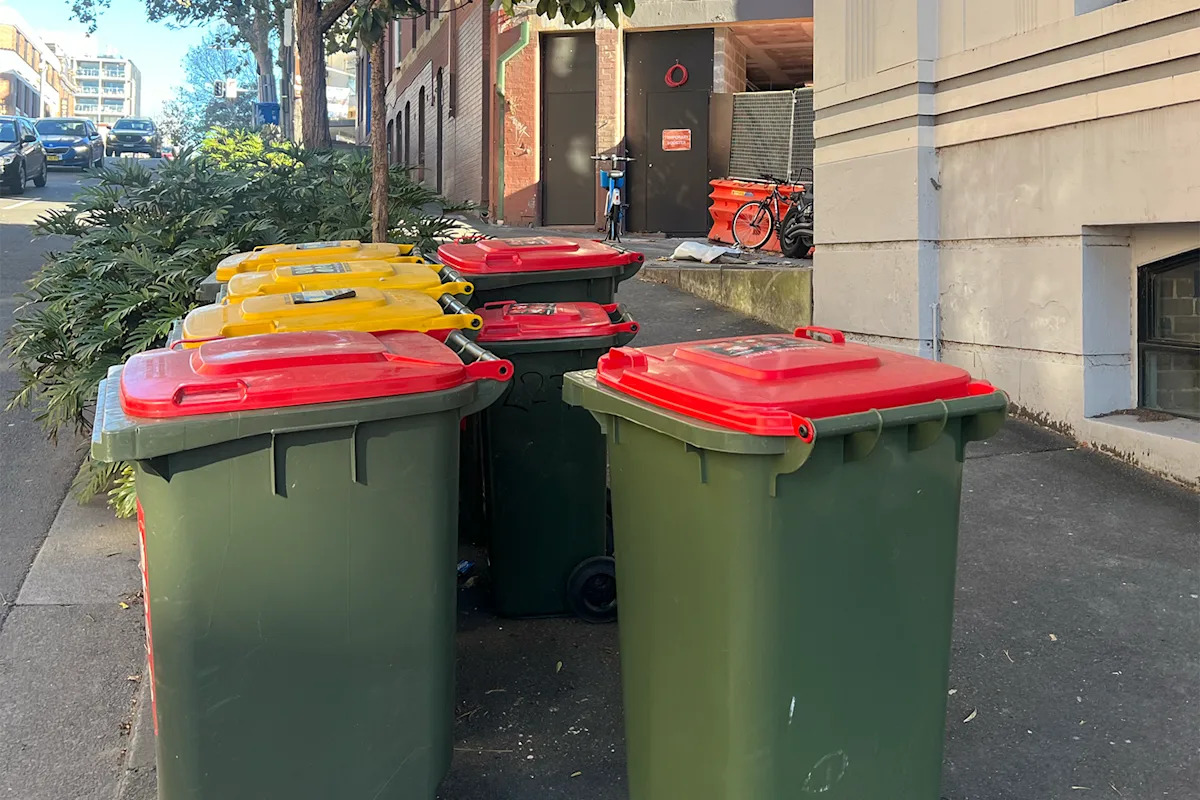
Numerous councils across Australia are anticipating increased charges for waste collection and management as the ongoing fuel crisis continues to impact local economies. Residents in regional New South Wales (NSW) and several Sydney suburbs may face these new fees starting as early as July, with the conflict between the US and Iran contributing to the reduction of global fuel supplies.
Councils drafting budgets for the 2026/27 financial year are already deliberating over raised expenses, which will likely be passed on to residents due to "expected fuel charges." The surge in fuel prices is not only affecting waste collection but also making other council services—like road maintenance and street cleaning—more costly.
One notable example is the Northern Beaches Council, which has signaled an additional $53 fee, marking an 8.8% increase in domestic waste costs. The council attributes $40 of this hike directly to escalating diesel prices. In Sydney’s south-west, Camden Council is considering a staggering 35% rise in its waste management charges, while Hornsby, located on Sydney’s Upper North Shore, is expected to propose a 10% increase. Similarly, Bathurst Council is looking to enforce a $43 surcharge referring to anticipated fuel-related costs, with reports indicating that the Hills Shire and Parramatta Councils are also reviewing their fees.
Residents across the nation have been alerted that, if fuel prices remain high, the financial burden will extend beyond the petrol station. For instance, Uber recently introduced a temporary surcharge on rides, aimed at alleviating heightened operational costs for drivers. This surcharge amounts to an additional five cents per kilometre from June 8, further straining budgets amid already rising prices. Likewise, rival rideshare company Didi adopted a similar surcharge last month.
Ben Fahimnia, a specialist in logistics and supply chain management, cautions that Australia’s fuel infrastructure is under significant stress. While global oil supply may resume, pressures on local fuel stations and distribution chains are likely to persist. Fahimnia explains that although today’s supply appears stable, there is the potential for swift deterioration of conditions, prompting fuel rationing—a scenario that could see food costs at supermarkets escalate and adversely impact farmers’ transportation capabilities, all while disrupting household commuting patterns and increasing reliance on public transport.
The hospitality sector has also felt the pinch, with restaurants and cafés facing additional fuel surcharges from suppliers. Kelsie Gaffey, who operates Gracie’s Wine Room in Melbourne, mentioned that five of her food suppliers have implemented emergency surcharges ranging from $2.29 to $5.50 plus GST on each delivery. While she has chosen to absorb these costs to avoid burdening her already financially strained customers, Gaffey acknowledged that many establishments might not be in a position to do the same.
Conclusion
As Australia grapples with the ramifications of the ongoing fuel crisis, it is evident that costs related to waste management, food supply, and daily commuting are set to rise. With councils proposing increased fees and the hospitality industry introducing surcharges, the financial reality for many Australian households is likely to worsen if the current trends continue.