Table of Contents
Victorian Public Transport to Become More Affordable: Half-Price Fares on the Horizon
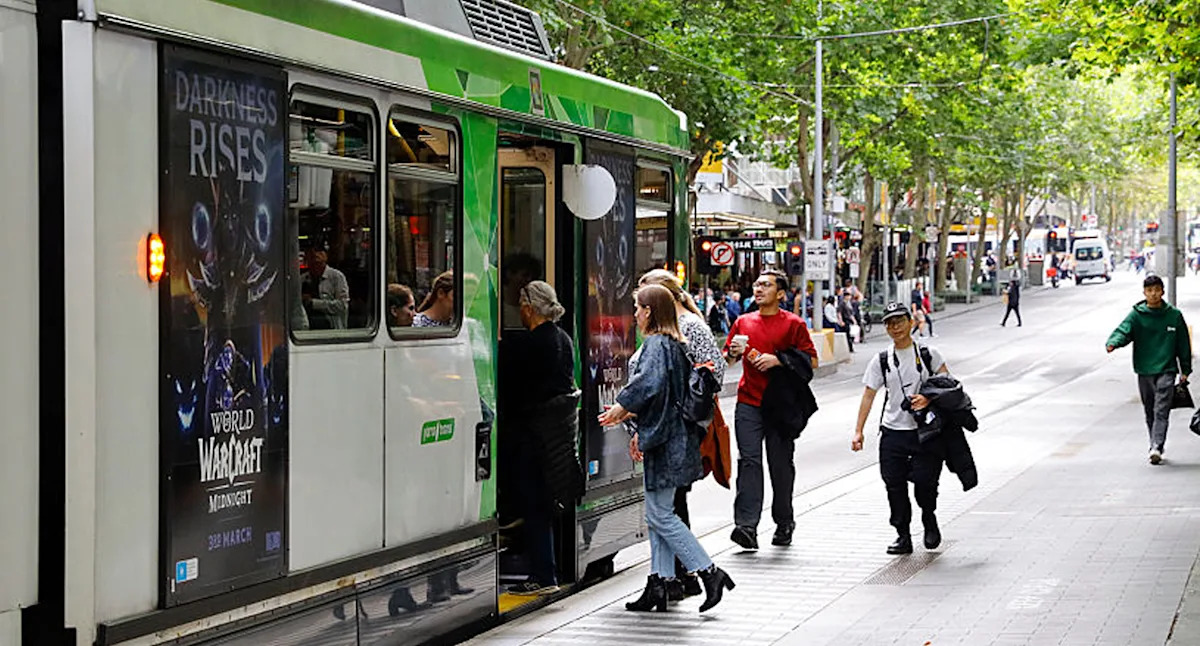
In response to rising petrol prices, the Victorian government temporarily made public transport free for residents in March. However, as this initiative wraps up at the end of April, the government is likely to introduce half-price fares to alleviate ongoing cost-of-living pressures in its upcoming state budget.
Government Initiatives to Aid Commuters
Premier Jacinta Allan’s administration has unveiled several measures to assist residents as she seeks to maintain voter support in the lead-up to the state election scheduled for November. The government is reportedly considering extending the free transport trial, but more concrete plans to implement permanent half-price fares could be announced during the budget reveal set for May 5.
If this new fare structure is adopted, commuters could expect to pay approximately $2.85 for a standard two-hour journey across Melbourne’s public transport network. It is estimated that regular public transport users saved about $228 during the free transport trial, a policy projected to cost the government around $71 million in lost revenue.
Other states have also initiated similar measures; Tasmania, for instance, has made bus and ferry services free until July, while Queensland has maintained a flat fare of 50 cents for public transport over the past 18 months.
Impact of Free Transport on Travel Behaviour
Research conducted in Melbourne suggests that while the free transport policy has encouraged some commuters to opt for public transport over driving, the effect has been relatively modest. Studies indicated that individuals have started using public transport more frequently, though the transition from car travel was not as pronounced as might have been expected when compared to New South Wales, where fares have remained unchanged.
According to researchers, the initial barriers preventing commuters from switching modes of transport seem to stem less from cost and more from logistical issues such as access, service reliability, and travel times. Many residents reported that these factors significantly impact their public transport choices.
Challenges for Tradespeople
The impact of rising fuel prices is particularly felt in the trades sector, where apprentices often find limited public transport options to reach job sites. In a bid to address this issue, thousands of first and second-year apprentices will have access to $100 fuel vouchers funded by the CFMEU, one of Australia’s largest trade unions. This initiative aims to offset the financial strain that young workers are facing due to elevated fuel prices, exacerbated by recent geopolitical tensions.
CFMEU’s NSW Executive Secretary Michael Crosby expressed concern about the struggles apprentices face, noting that many are unable to fund essential tools or insurance, let alone cover work-related travel expenses. These vouchers are designed to provide immediate relief for these young workers.
Conclusion
The Victorian government’s shift towards implementing half-price public transport fares signals an evolving approach to tackle transport affordability amidst rising cost pressures. While the temporary measure of free public transport proved popular, the real challenge lies in providing consistent service and enhancing access to enable more residents to opt for public transport over private vehicles. Moreover, targeted support for tradespeople through fuel vouchers underscores the necessity of addressing the different transport needs across various sectors in the community.