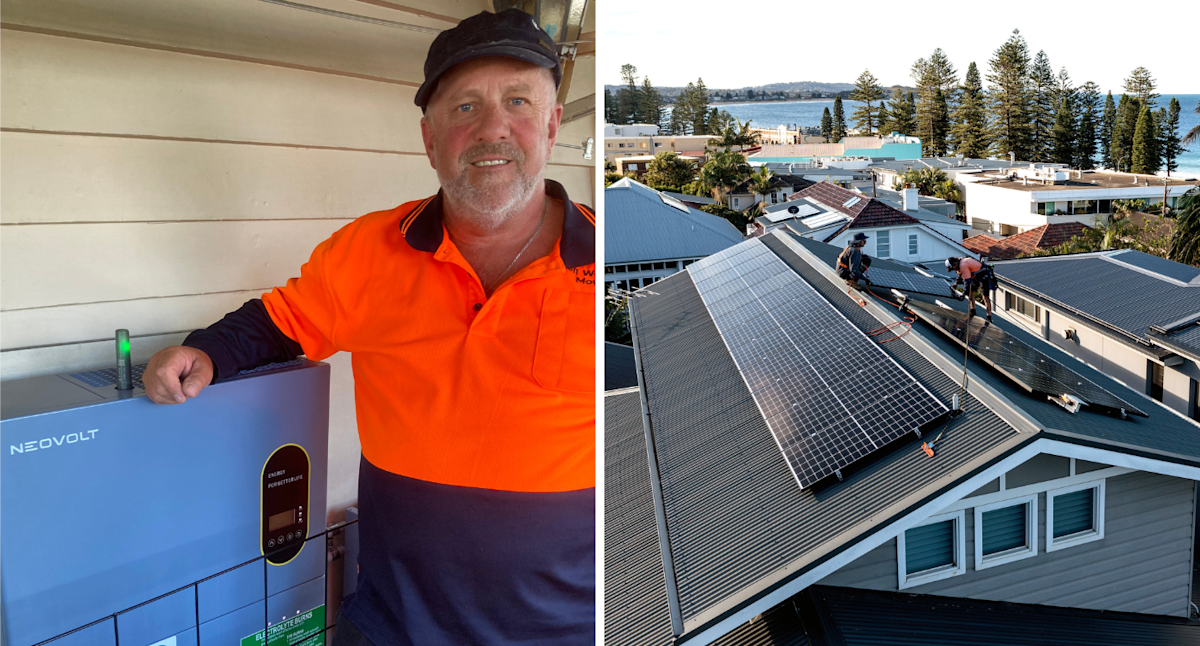
The Australian Energy Market Commission (AEMC) has proposed significant changes to the way electricity charges are structured for households. This controversial plan is aimed at tackling the shifting landscape of energy consumption, particularly as more households install solar panels and battery systems. However, the suggested reforms could lead to higher costs for owners of these systems.
### Proposed Changes
The AEMC’s plan includes the introduction of a higher fixed charge for residents accessing the electricity grid, irrespective of their energy consumption levels. Critics argue this could result in additional costs of around $3,000 for homeowners who have invested in solar and battery installations. The changes are designed as an equitable restructuring of energy costs, but they could adversely impact nearly half a million households with batteries and countless others utilising solar energy.
According to AEMC modelling, while these adjustments could generate approximately $6 billion in savings for the energy system over the next 15 years, it would also extend the payback period for solar and battery investments, which might discourage future installations.
### Understanding the Current System
Currently, about half of the average electricity bill consists of costs related to the maintenance of the grid (the poles and wires). As more consumers become independent energy producers, utilities are finding it challenging to cover the costs associated with network maintenance through variable charges tied to energy consumption. The AEMC suggests transitioning to a fixed charge system to address these sustainability concerns.
AEMC Chair, Anna Collyer, noted that the energy landscape has transformed significantly over the last decade, necessitating a new strategy for how network costs are allocated. The proposed transition is scheduled to initiate in 2030 and span a decade.
### Mixed Reception
The proposal has drawn criticism from solar advocates and homeowners with battery systems. While approximately two-thirds of households without solar panels or batteries may benefit from reduced bills – potentially saving up to $740 annually by 2040 – the model also acknowledges that users of existing systems could face a detrimental impact.
For instance, a Melbourne couple who completely shifted from gas to electric energy for their home could see their bills decrease by as much as $600 due to the lower variable rates, despite higher fixed connection costs.
### Long-Term Implications
The AEMC’s analysis, based on extensive data from over 400 million consumption patterns, suggests that the proposed reforms could create a smarter energy market. However, a key takeaway is that these changes are predicated on the assumption that energy retailers will pass network costs directly to consumers, and appropriate consumer protections would be essential to accompany any alterations.
One significant concern highlighted by the AEMC is that the repayment timeframe for the installation of solar systems and batteries could extend. It is noted that typical battery owners could miss out on approximately $3,300 in savings over a decade compared to current costs.
### Conclusion
With the AEMC committed to finalising its recommendations by June 2026, the debate over these proposed changes is likely to intensify. Energy Minister Chris Bowen has expressed the government’s stance that the reforms should ultimately lead to lower bills, improved reliability, and the modernisation of the electricity grid. As discussions continue, stakeholders from various sectors will be watching closely to see how these potential changes unfold in the evolving energy marketplace in Australia.