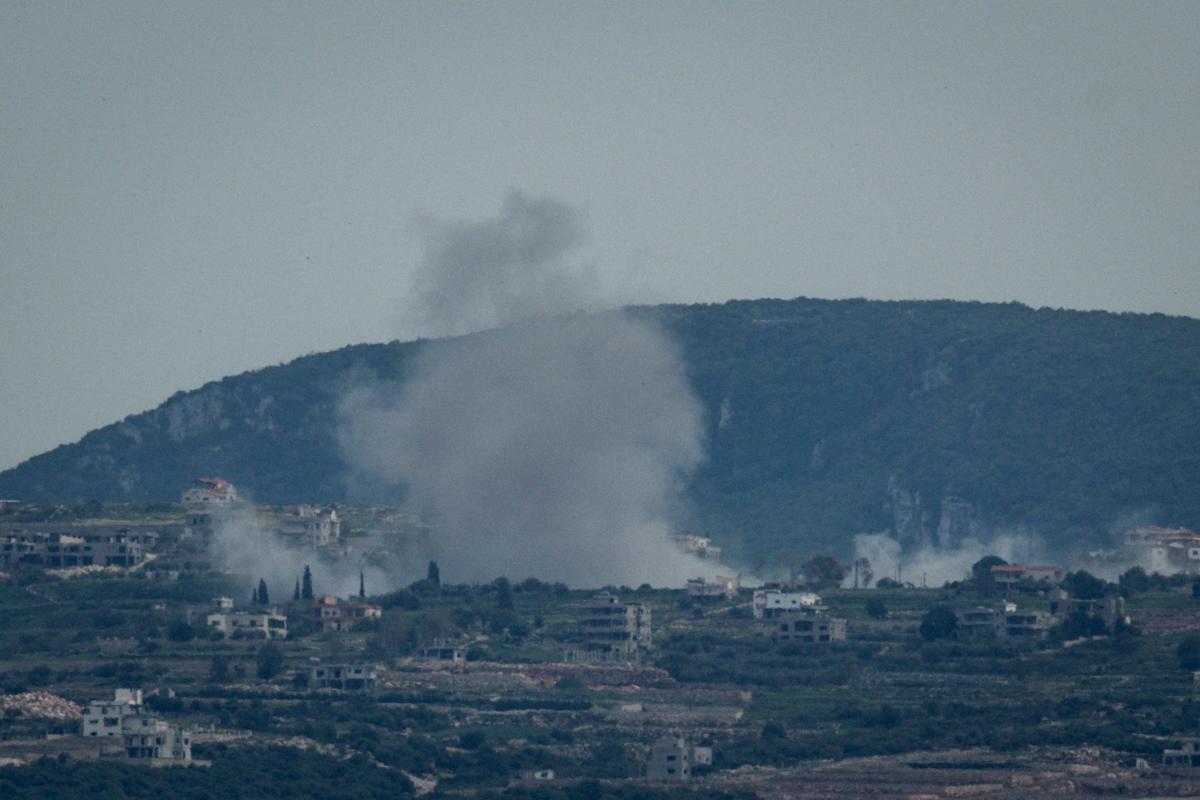
Oil Prices Climb Amid Ceasefire Announcement Between Israel and Lebanon
Oil prices surged on Thursday following a temporary ceasefire declaration between Israel and Lebanon, as announced by former President Donald Trump. Concurrently, investors are evaluating reports concerning the potential resumption of second-round peace talks in the region.
In the early afternoon on Thursday, Brent crude futures—the international oil benchmark—increased by 3.8%, surpassing $98.50 per barrel. Meanwhile, West Texas Intermediate (WTI) crude, the US benchmark, rose by 2.6% to trade above $90 per barrel. Both benchmarks had initially opened the week above $100 per barrel.
On Thursday, Trump shared on Truth Social that a 10-day ceasefire would commence at 5 PM EST, following discussions with the Lebanese President Joseph Aoun and Israeli Prime Minister Bibi Netanyahu. This development is seen as a crucial step towards peace between the two nations and could facilitate a thaw in relations between the US and Iran, opening avenues for further diplomatic talks.
Despite the ceasefire, Israel has continued its military operations against Hezbollah in Lebanon amidst a broader US-Iran ceasefire that is expected to conclude soon. Iranian officials, including Mohammad Bagher Ghalibaf, have insisted that any durable ceasefire must include a halt to Israeli military actions.
Investor sentiment in the Middle East remains focused on the feasibility of re-entering negotiations regarding a peace deal that previously collapsed in Islamabad, Pakistan. As tensions persist, the US maintains indirect communications with Iran to extend the two-week ceasefire which is set to end shortly. White House Press Secretary Karoline Levitt reaffirmed the US’s active engagement in these discussions.
In related statements, Trump remarked that media should remain in Pakistan, hinting at possible developments in the coming days, and expressed optimism that the conflict could soon be resolved.
Pakistan has been mediating the dialogue between the US and Iran, emphasizing the importance of the ceasefire in Lebanon to facilitate progress. The negotiations face significant hurdles, primarily revolving around Iran’s nuclear programme, economic sanctions, and control of the critically strategic Strait of Hormuz, through which a large portion of the world’s oil supply flows.
As the US Navy enforces a blockade around the Strait of Hormuz, the flow of crude oil from Iran—previously around 1.5 million barrels daily—has dramatically decreased. Recent reports indicate that Iran has managed to export some oil despite the blockade, and the US military has enhanced its operations to encompass thorough inspections of any vessels linked to Iran.
Iran, possessing substantial onshore crude oil storage capability, is potentially prepared for extended periods without exporting while it negotiates terms to alleviate sanctions and restore its oil trade. Signs suggest Tehran is willing to accommodate certain shipping freedoms through Omani waters, contingent on reaching a suitable ceasefire agreement.
The ceasefire between Israel and Lebanon, if stable, could facilitate progress in US-Iran dialogues, enhancing prospects for a more comprehensive resolution to the ongoing tensions in the region.
As geopolitical dynamics evolve, the outcomes of these discussions will significantly influence oil prices and the broader financial landscape.
For more detailed insights on how these developments may impact gas prices and consumer costs, follow the latest updates from reputable financial news sources.