The outlook for petrol prices remains grim, with industry experts predicting that elevated costs for motorists are likely to persist for an extended period. Despite potential short-term fluctuations in the Strait of Hormuz and ongoing diplomatic negotiations, analysts believe that the price at the pump will not see significant relief.
Rebecca Babin, a senior energy trader at CIBC Private Wealth, remarked that average gasoline prices are expected to remain above $3 per gallon throughout 2026, even if the Strait of Hormuz reopens this summer. This sentiment is echoed by Patrick De Haan from GasBuddy, who anticipates prices will hover between $3.35 and $3.95 during the summer months, factoring in positive developments.
The debate on gasoline prices heated up when Energy Secretary Chris Wright indicated that prices could remain elevated, suggesting gas below $3 per gallon may not materialise until next year. Such forecasts arise amid volatile crude oil prices and geopolitical tensions, particularly with ongoing talks in Pakistan led by U.S. Vice President JD Vance aimed at establishing a ceasefire.
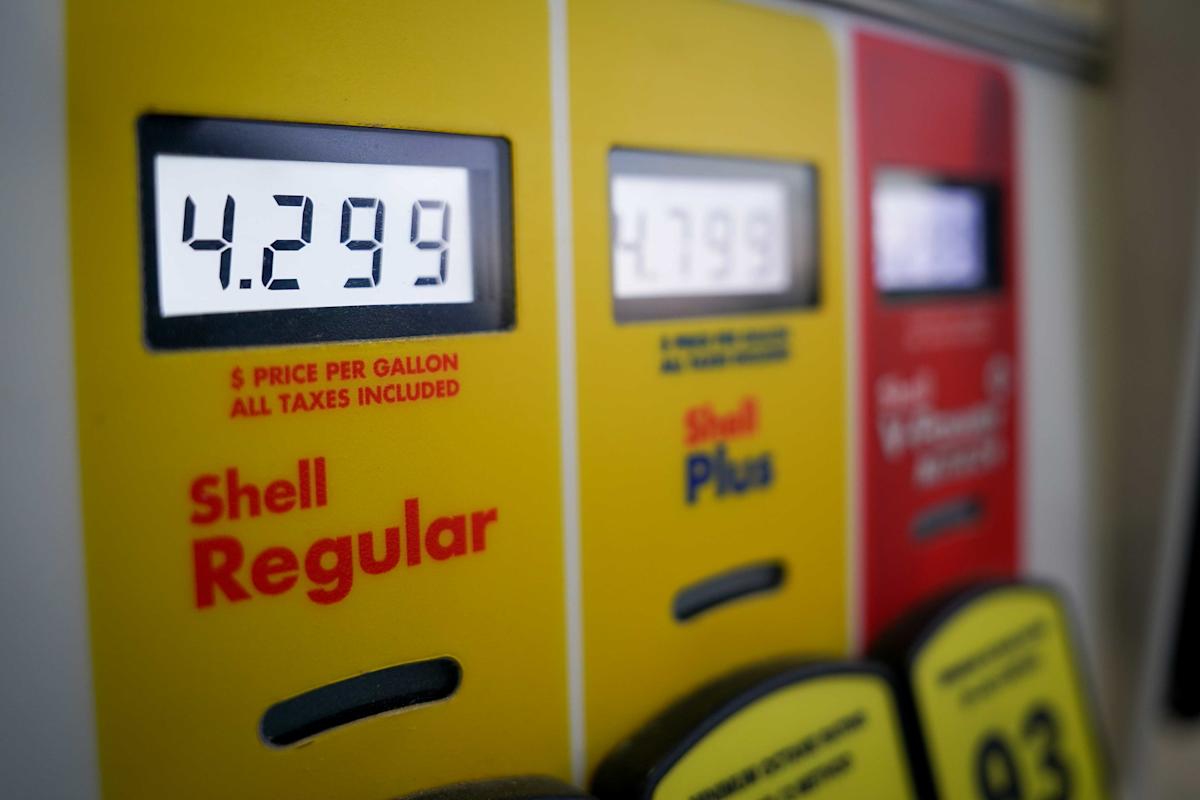
President Trump has downplayed concerns about rising gas prices, threatening further military action if negotiations with Iran do not succeed. Currently, gas prices in the U.S. average around $4 per gallon, reflecting a significant increase of over a dollar since the onset of hostilities in the region.
The persistent high prices pose a challenge for consumers, particularly as past events have shown that any easing in gas prices tends to be slow. Economists refer to this trend as “rockets and feathers,” whereby prices shoot up swiftly but decrease at a much slower rate, often due to lag times in the supply chain and the need for companies to safeguard profits during uncertain periods.
An example of this phenomenon occurred following the 2022 invasion of Ukraine when both crude oil and gasoline prices surged, yet pump prices remained high even after oil prices began to decline. This situation has historically caused frustration among political leaders, including President Biden, who grappled with public dissatisfaction over rising fuel costs.
With the current geopolitical landscape, analysts like Babin suggest that gas prices might settle at an inherently higher level as countries brace for potential stockpiling in uncertain times. This protracted period of high prices is anticipated to serve as a significant hurdle for the current administration, which has promised quicker relief.
As discussions continue, the focus will remain on how geopolitical developments influence fuel costs, with the implications felt broadly across the economy, affecting not only the transportation sector but consumer goods prices as well.
In summary, fuel prices are expected to remain high due to a combination of geopolitical tensions, historical market dynamics, and economic strategising. The “rockets and feathers” effect suggests that relief may come slowly, leaving motorists and industry stakeholders anxious about future costs.