Brent Crude Oil Surges Past $100 Amid Ongoing Middle East Tensions
Overview of Recent Price Movements
Brent crude oil, the global standard for oil pricing, saw a significant increase, climbing by 3% to exceed $100 per barrel, while the US benchmark, West Texas Intermediate (WTI), also experienced gains, trading above $92 per barrel.
Factors Influencing the Price Surge
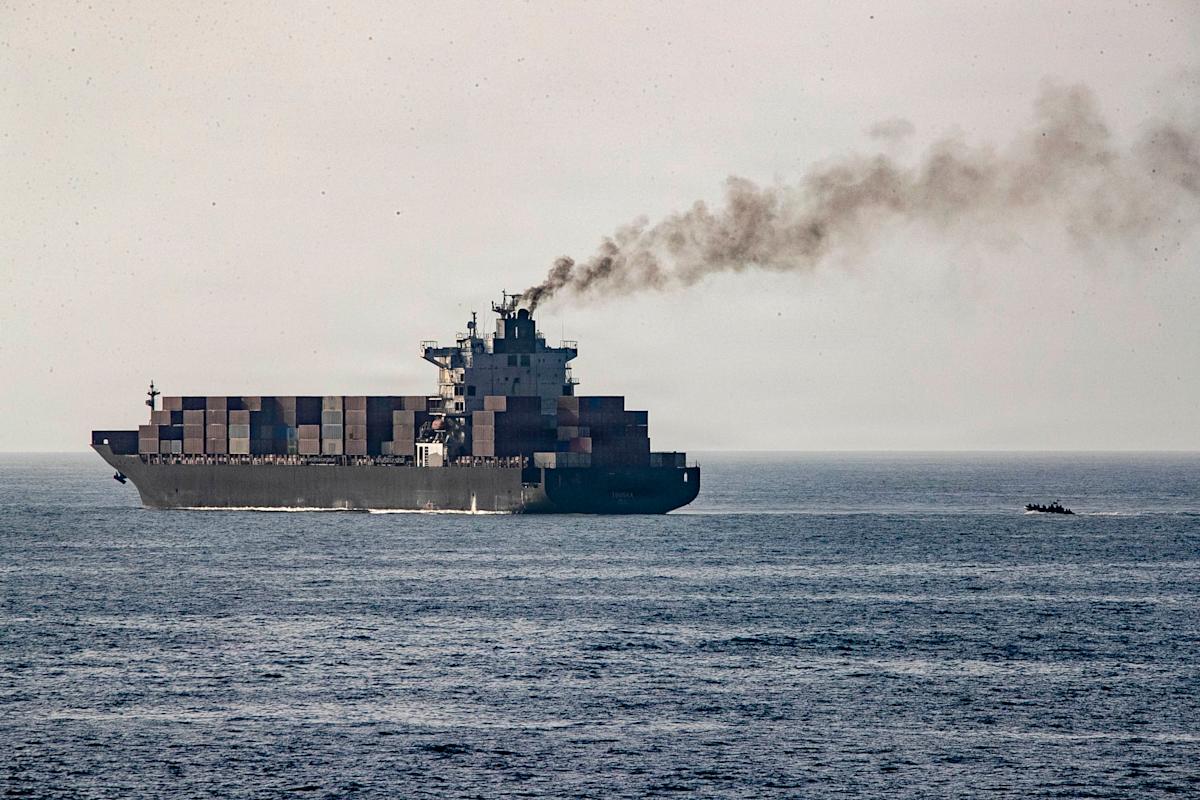
The recent spike in oil prices can be attributed to persistent geopolitical tensions in the Middle East, specifically regarding Iran. Despite President Trump’s decision to extend the US’s ceasefire with Iran, the high-stakes situation in the Strait of Hormuz continues to pose serious risks to oil supply routes. Recent incidents, including Iran targeting two vessels in this pivotal maritime passage, have heightened concerns over disruptions to oil flow in the region.
On Tuesday, negotiations between the US and Iran were suspended, and the US maintained a blockade in the strait, which remains under Iranian control amid the ongoing conflict. Iran has issued threats regarding vessels that attempt to navigate its ports, adding further instability to oil shipping routes.
Market Reactions and Economic Implications
Interestingly, the stock market seems to be viewing the escalating oil prices with a degree of indifference. Many tech companies, particularly large semiconductor firms, are thriving in the current climate due to robust demand driven by artificial intelligence, insulating them from the typical vulnerabilities associated with rising energy costs.
However, experts anticipate that fuel prices will stay high, with the potential for further hikes if the situation in the Strait of Hormuz remains unresolved. Dennis Kissler, senior vice president at BOK Financial, stated, “The reality remains that no measured oil is flowing through the Strait, and fuel supplies will tighten further, especially in Europe and Asia.”
Kissler further noted a troubling trend in demand, indicating that airlines are starting to consolidate schedules in response to rising fuel costs, which could signal a contraction in global consumption of oil.
Conclusion
While the current spike in oil prices is driven by geopolitical tensions and risks in the Middle East, the broader economic landscape remains partially insulated due to strong performances in technology sectors. Nonetheless, consumers may face higher fuel costs moving forward, particularly as disruptions in the Strait of Hormuz continue to threaten oil supply.
For ongoing updates and in-depth analysis of stock market movements and financial news, stay informed with reliable financial news platforms.