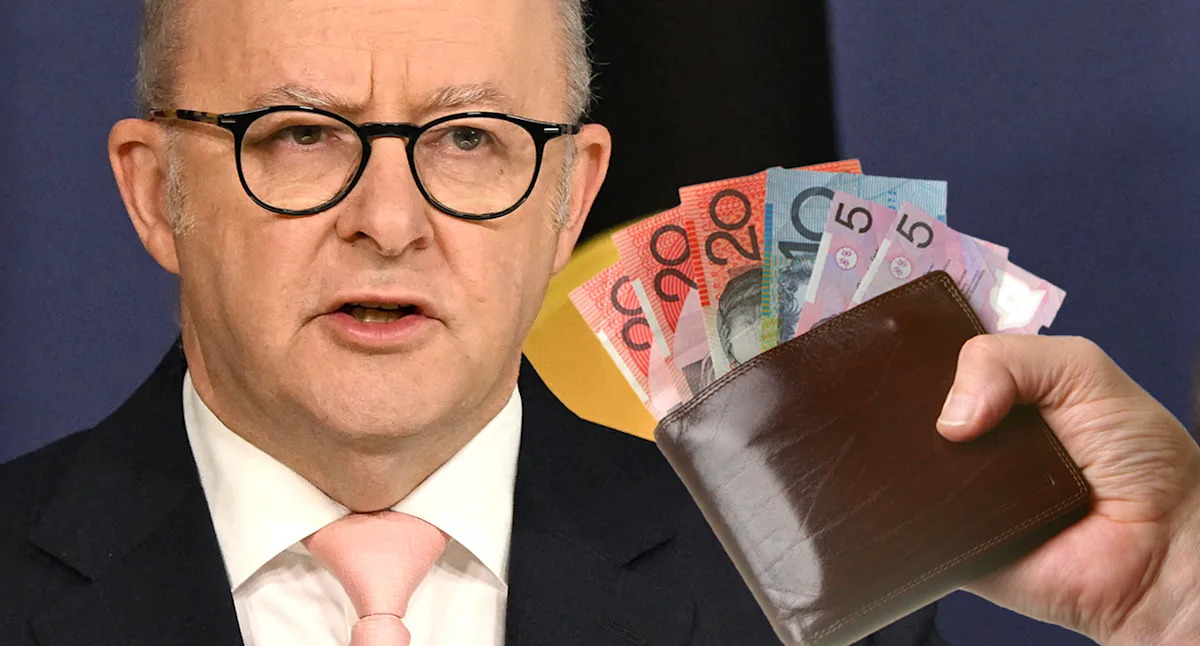
The Albanese government is under scrutiny as speculation arises regarding potential tax reforms targeting “mum and dad” investors and younger Australians striving to build wealth. While the Prime Minister and Treasurer promise an ambitious budget aimed at responsible fiscal management, critics argue that the proposed punitive measures disproportionately impact everyday Australians while preserving tax privileges for corporations.
With the federal budget set to be revealed soon, discussions about tightening regulations on family trusts, capital gains tax (CGT) deductions, and negative gearing have gained traction. Treasurer Jim Chalmers has stated that this upcoming budget is expected to be “our most responsible yet.” However, such assertions have faced considerable skepticism.
Dale Gillham, Chief Analyst at Wealth Within, remarked that it has become routine for the government to impose financial pressure on those easiest to tax, particularly when economic challenges arise. He criticises the government for resisting calls to implement higher taxes on profits stemming from the extraction and export of Australia’s abundant natural resources.
Gillham warned that changes to capital gains tax rules represent more than mere policy adjustments; they signify a shift in focus towards taxing domestic investors. He highlighted the irony of a resource-rich nation failing to adequately monetise its natural advantages, thus taxing individuals pursuing financial ambition. According to him, taxing personal ambition while underutilising Australia’s resources poses a significant risk to the economy.
Prime Minister Albanese defended his government’s fiscal strategy, asserting that criticisms are misplaced. He stated that the forthcoming budget will squarely focus on fostering aspiration, dismissing claims that it will target middle-class investors. Albanese is confident that voters will evaluate the government’s actions based on its fiscal record.
As Labour prepares for potential reform, the opposition has branded these moves an “assault on families,” suggesting that while everyday Australians may bear the brunt of increased capital gains tax, industry super funds and foreign investors might evade similar scrutiny. Shadow treasurer Tim Wilson has indicated that the government appears more interested in maintaining power than improving the prospects of ordinary Australians.
Financial pressures, including projected spending exceeding $60 billion over the next few years, including major expenses for health and defence, add urgency to the budget discussions. Many of these spending pressures stem from inflation and exchange rate challenges impacting revenue forecasts.
In light of these developments, apprehension surrounds the government’s true fiscal intentions as they edge closer to announcing significant budget reforms. Stakeholders from various sectors will continue to monitor how these potential changes will affect ordinary Australians and the broader economy.