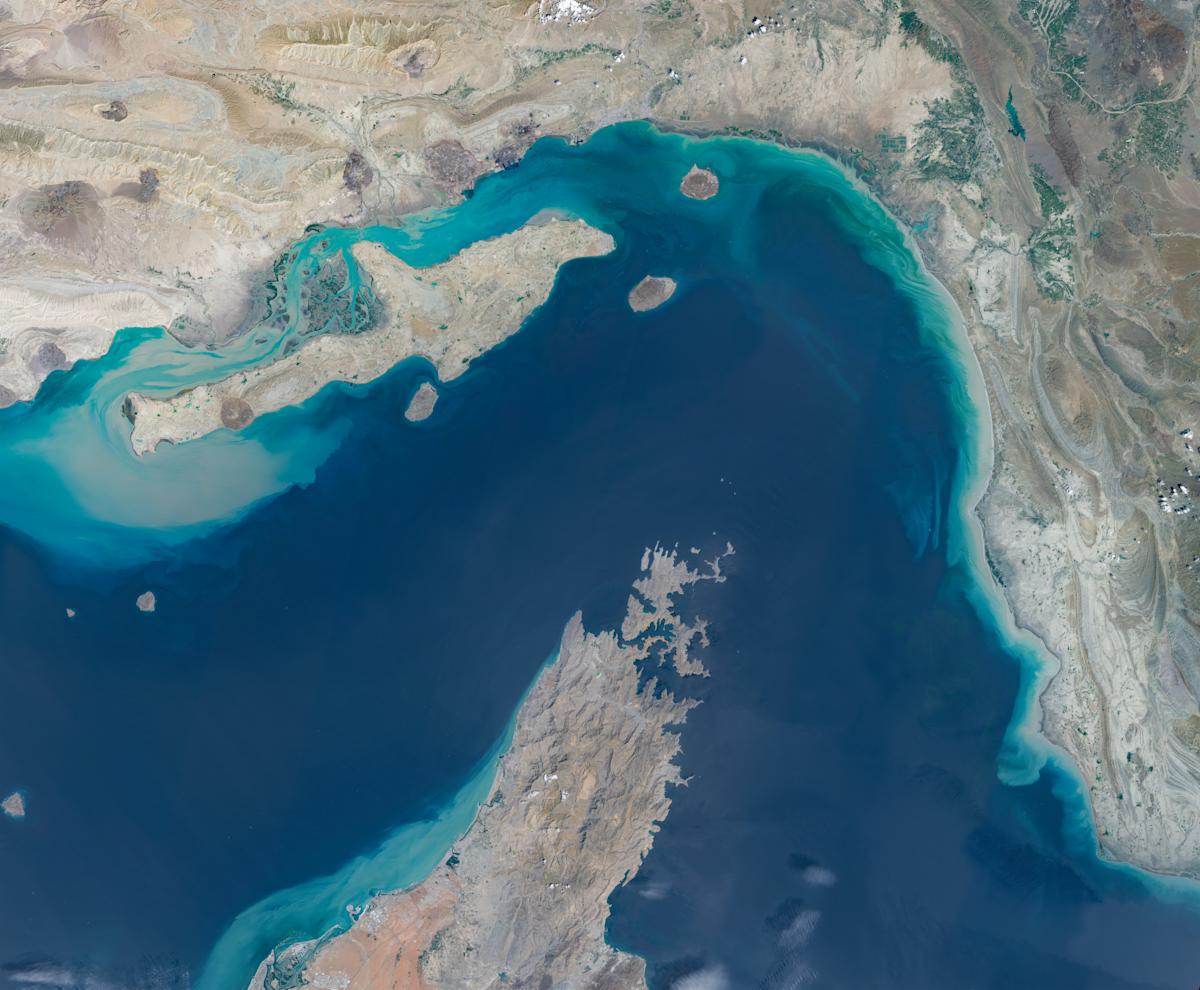
Tensions Rise Between the US and Iran Amidst Ceasefire Uncertainty
A fragile ceasefire between the United States and Iran appeared increasingly tenuous as military engagements intensified shortly after President Trump’s announcement of a new strategy aimed at resolving control over the economically critical Strait of Hormuz.
In response to a US initiative to "guide" commercial vessels through the strait, Iran reportedly fired warning shots at a US Navy ship. According to the nation’s semi-official news outlet, there were claims that Iranian missiles had struck a US frigate, escalating the confrontation.
In retaliation, the US engaged militarily, reportedly destroying at least six Iranian small boats. US Central Command confirmed the successful transit of two US-flagged vessels through these contested waters, highlighting the growing assertiveness of the US military in the region.
The United Arab Emirates also reported an attack attributed to Iran and advised its citizens to seek shelter in secure locations. Furthermore, a South Korean cargo ship seemingly fell victim to similar hostilities.
These swift escalations contributed to significant volatility in crude oil prices, reflecting fears of further escalation in hostilities.
President Trump confirmed the resurgence of Iranian attacks on US interests but assured that any direct assault on American vessels would be met with overwhelming force. His new strategy, announced as "Project Freedom," aims to ensure the safe passage of commercial shipping through the Strait of Hormuz, which is vital for the global oil supply.
Trump initiated this military undertaking as a countermeasure against Iran’s blockade of the strait, through which approximately 20% of the world’s oil flows. The President’s plan carries an implicit warning: any interference from Iran in US operations would necessitate a robust response.
US Central Command noted that naval assets were already deployed in the Persian Gulf, viewing the passage of two US merchant ships as a positive development in counteracting Iranian influence.
Despite these measures, uncertainties linger regarding their effectiveness in reassuring anxious shipping companies operating in the region. Officials from the Trump administration differentiated this latest initiative from previous attempts to directly escort commercial vessels, describing it instead as a mission to enhance navigation safety through intelligence-gathering efforts about possible maritime threats.
Iran’s government officials reacted swiftly to the announcement, with the head of the Iranian parliament’s national security committee condemning Trump’s comments as "delusional." They further warned that any new US military action would be considered a violation of the ceasefire agreement.
Moreover, a senior Iranian security official asserted that Iran effectively controlled the Strait of Hormuz and declared that any foreign military vessels, particularly those from the US, would face hostile actions if they attempted to navigate the waterway.
As tensions escalate, market analysts indicate that the current stagnation in diplomacy means there’s no clear pathway to de-escalation. Some observers advise against reading too much into the situation, cautioning about the potential for renewed conflict that could destabilise markets significantly.
Industry insights suggest that the prospects for resolving the US-Iran conflict remained ambiguous, leaving many to speculate about the repercussions of continuing military clashes on global trade and energy prices.
In conclusion, recent developments reflect escalating actions and rhetoric that underscore the risk of further conflict in the region, emphasising the delicate balance between assertive military maneuvers and diplomatic negotiations.