Nvidia Faces Challenges in China as Market Share Drops to Zero
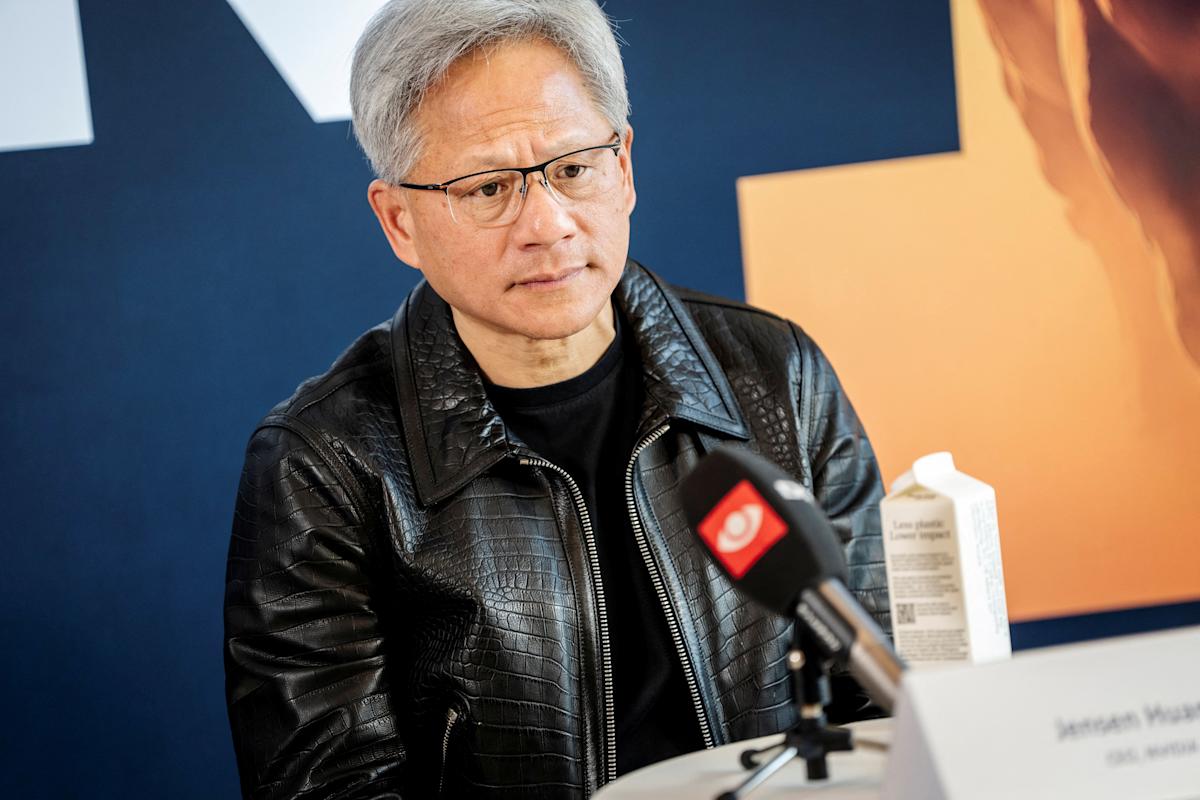
During a recent interview on the Special Competitive Studies Project’s Memos to the President, Jensen Huang, CEO of Nvidia, revealed that the company’s market share in China has plummeted to zero. Previously, Nvidia boasted over 90% of the global market share, but current geopolitical tensions and trading restrictions have led to this significant downturn.
The dynamics surrounding chip shipments to China have been inconsistent, with the United States fluctuating between allowing and prohibiting deliveries of high-performance processors from Nvidia and its competitor, AMD. Despite previous statements from former President Trump about permitting shipments of Nvidia’s H200 chip, current reports suggest that no such shipments have taken place.
Critics of allowing sales to China argue that these advanced chips may bolster China’s military capabilities, empowering it to develop AI software that could pose a risk to the US. However, Huang contends that maintaining a relationship with China in terms of chip supply is crucial to the US’s strategic interests. He stressed that conceding a massive market such as China’s could backfire by encouraging local development of competing AI technologies.
Huang stated, “Conceding an entire market the size of China probably doesn’t make a lot of strategic sense,” highlighting the potential long-term repercussions of cutting ties with such a significant player in the tech industry. He believes that policy adaptations are necessary to keep pace with evolving global conditions.
In its latest financial report, Nvidia disclosed that it achieved revenue of $19.67 billion from China, including Hong Kong, over the past fiscal year. However, the company anticipates no revenue from China for the upcoming quarter. Although Nvidia received a license to sell its H200 chips in China in February, it has not yet generated any income from these potential sales and remains uncertain about future licensing approvals.
Nvidia’s recent 10-K filing indicated that as of the end of the 2026 fiscal year, the company found itself effectively barred from competing in China’s data centre computing market. This restriction has enabled competitors to cultivate larger ecosystems of developers and customers, potentially posing a greater challenge to Nvidia internationally.
The company warned that unless it can return to the market with a product that satisfies both the US and Chinese governments, the lost opportunities will significantly impact its operations and overall financial health.
In summary, Nvidia’s position in the Chinese market remains precarious, with current US-China relations complicating future business prospects. The strategic implications of this development are profound, as the company navigates a landscape marked by regulatory hurdles and competitive pressures.
For those keeping tabs on technological advancements and market trends, this situation serves as a crucial case study in the intersection of business, politics, and technology.
For more updates, consider subscribing to Yahoo Finance’s Week in Tech newsletter.