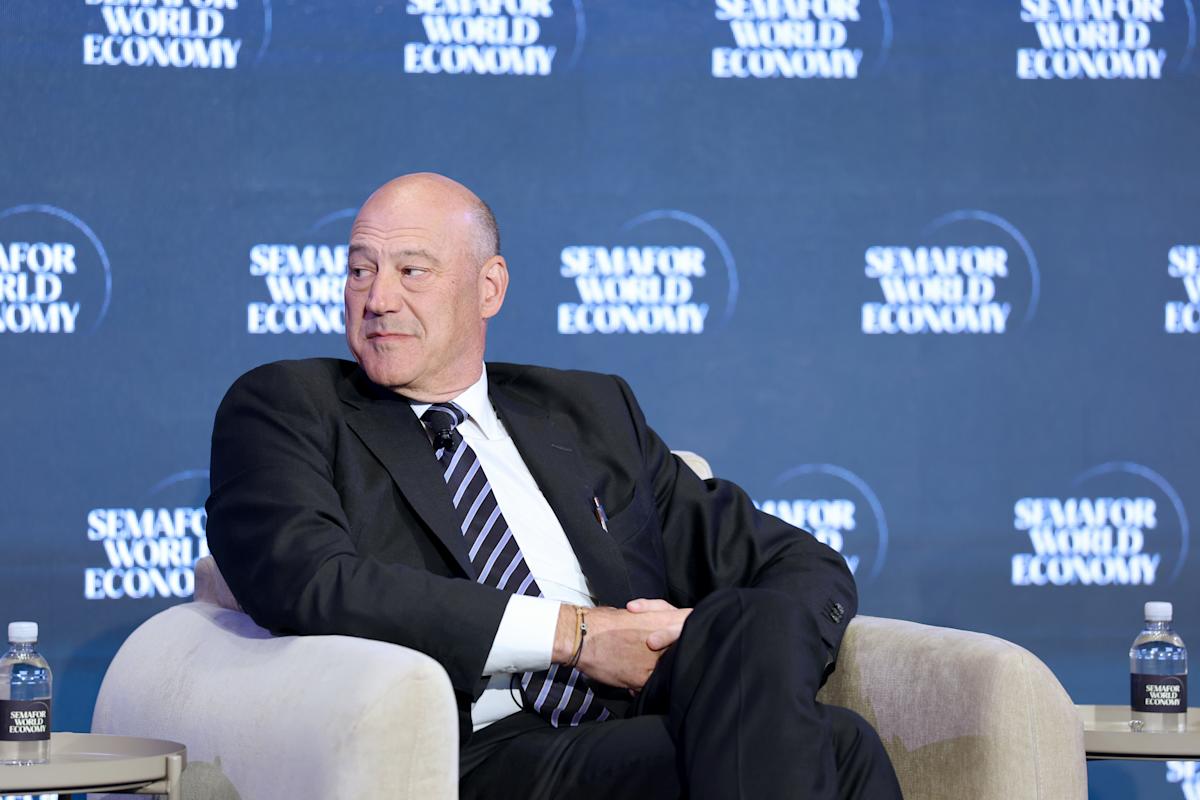
In a recent commentary, former National Economic Council Director Gary Cohn highlighted the anticipated leadership style of the new Federal Reserve Chair, Kevin Warsh, describing it as a return to a “fundamentalist” approach to monetary policy. Cohn, who closely collaborated with Warsh during the 2008 financial crisis, emphasised that Warsh’s track record suggests a focus on traditional mandates over recent, non-conventional Fed involvement.
Cohn stated, “Kevin is a very standup straight guy,” referring to Warsh’s character and capabilities as a former Fed governor and Morgan Stanley executive. He remarked that Warsh’s approach will not surprise investors, given his responses during the confirmation hearing and past actions during the financial crisis.
Two major shifts are expected under Warsh’s chairmanship that could potentially reshape the Fed’s engagement with Wall Street. The first change relates to the Federal Reserve’s extensive multi-trillion dollar portfolio. Cohn indicated that Warsh is likely to adopt a more “aggressive” strategy in shrinking the Fed’s balance sheet compared to his predecessors, while aiming to do so without causing market disruptions. He noted, “That’s a fine line to walk,” asserting that Warsh may quicken the pace of reducing the government’s footprint in credit markets.
The second anticipated shift points to a decline in the Fed’s overcommunication practices. Cohn critiqued the previous eight years wherein he believed the Fed had strayed into “nontraditional activities,” involving itself in areas like climate policy and diversity initiatives—elements he argued fall outside the Fed’s core mandate. He suggested that under Warsh, the Fed’s focus will narrow significantly towards its primary functions.
Also noteworthy is Cohn’s expectation concerning communication styles. He anticipates that Warsh will adopt a less predictable approach, moving away from the current trend where the Fed only signs to interest rate changes during scheduled press conferences. This rigidity, he argued, has hindered the institution’s efficacy. Cohn expects that Warsh will uphold a posture of “maximum flexibility,” implying that the Fed should act decisively to surprise the market when necessary, reminiscent of the practices during Alan Greenspan’s tenure, which kept markets on their toes.
Reflecting on their shared experiences in 2008, Cohn described Warsh as “unflapped” and unfazed amidst market turmoil, underscoring his unwavering focus on stabilising the financial system even as major institutions faltered. Overall, these anticipated changes signal a significant pivot in the Fed’s strategy and communication under Warsh, aiming to restore emphasis on its traditional responsibilities while exercising robust market oversight.