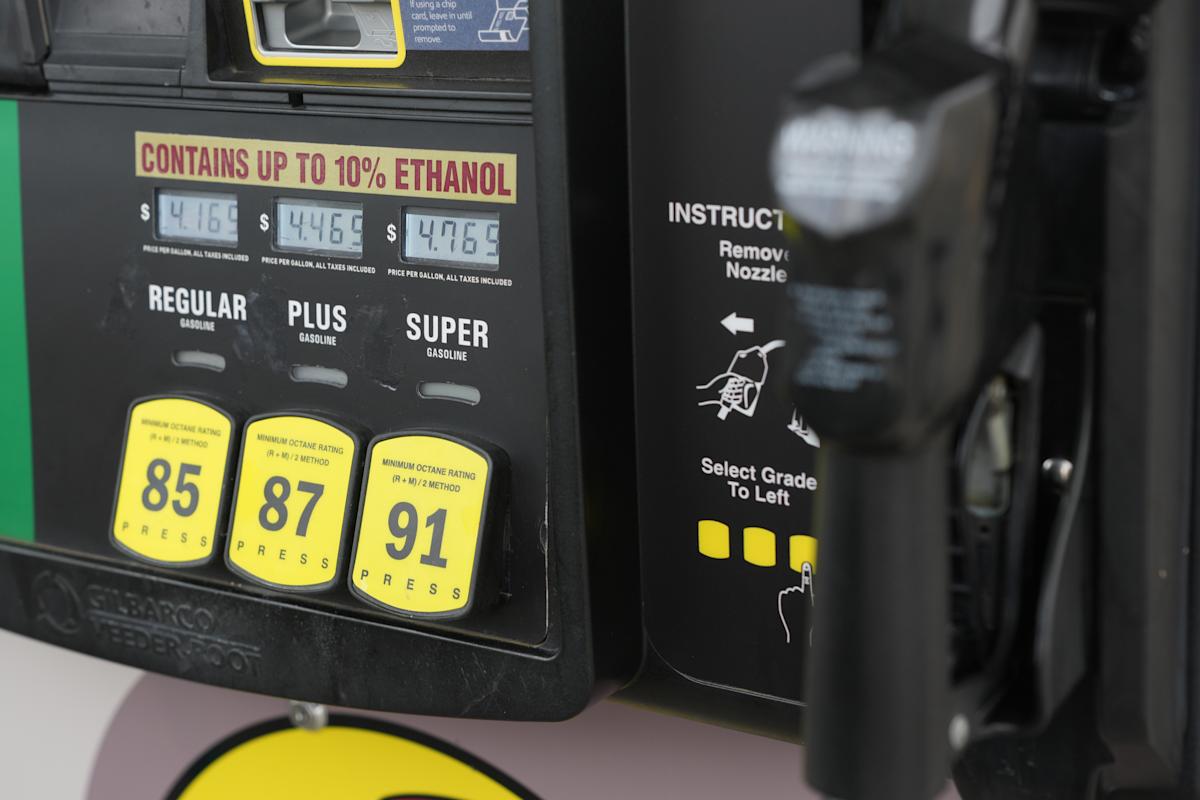
Gasoline prices in the US have surged to $4.48 per gallon, largely driven by oil prices staying above $100 per barrel. In recent days, the national average for gasoline has increased significantly, climbing approximately $0.31 over the past week and standing $1.32 higher than the same time last year, according to data from AAA.
Patrick De Haan, head of petroleum analysis at GasBuddy, expressed concerns about the ongoing price increase, noting there are no immediate signs of abating. Since the outbreak of the Iran conflict, retail gasoline prices have escalated by about 50%. De Haan pointed out that if the Strait of Hormuz remains closed, the US could see record highs in gasoline prices in the coming days.
On the same day, Brent crude futures decreased slightly to around $110 a barrel, while West Texas Intermediate was near $101. The US has indicated that a ceasefire with Iran remains in effect, while it continues to explore options to escort neutral vessels stranded near the Strait of Hormuz.
Industry analyst Andy Lipow warned that if the Strait remains blocked for another month, gasoline prices could approach $5.00 per gallon. California is already experiencing unprecedented costs, with the average price in the state reaching $6.11 per gallon, attributed to high taxes, fees, and insufficient refining capacity.
Furthermore, diesel prices are hitting new highs in portions of the US, where states like Illinois and Michigan are nearing the $6 per gallon threshold due to regional refinery issues. Analysts at JPMorgan highlighted that while the ongoing conflict poses a more direct threat to Southeast Asia, the US has also faced considerable impacts.
The combination of limited growth in refining capacity, a fragmented market for refined fuels, and rising US exports of gasoline and energy products has resulted in elevated prices at the pump across the nation.