Disney’s Q2 Results Show Strong Start Under New CEO Josh D’Amaro
Disney’s fiscal second quarter results, released on Wednesday, surpassed market expectations, signalling a promising start for new CEO Josh D’Amaro, who assumed leadership on March 18.
In the latest quarter, Disney reported adjusted earnings per share (EPS) of $1.57, topping analysts’ estimates of $1.51. Revenue grew by 7%, reaching $25.2 billion, exceeding expectations of $24.8 billion based on Bloomberg data. The company’s total operating income also rose to $4.6 billion, up from $4.4 billion the previous year.
Following the announcement, Disney’s stock experienced an 8% surge in premarket trading, although it later moderated its gains.
The revenue for Disney’s Experiences segment, encompassing its theme parks and cruise operations, declined to $9.5 billion, down from a record $10 billion in the first quarter. This drop is attributed to a 1% reduction in attendance at its US theme parks. However, there was a positive trend in spending, with a 5% increase in per capita spending on admissions, food, and merchandise during the quarter.
Despite challenges relating to international visitor traffic, Disney acknowledged robust current demand for its US parks. The company is optimistic about an expected rise in attendance in the upcoming third quarter compared to the same period last year.
In terms of operational performance, Disney’s sports unit saw a 5% decline in operating income year-on-year, attributable to increased costs for sports rights and marketing. Conversely, revenue for this division increased by 2% to $4.61 billion.
Disney’s entertainment division, which includes the film studio, showed resilience with a 10% revenue increase to $11.72 billion. Notably, its streaming services contributed to this growth, with revenue rising 13%.
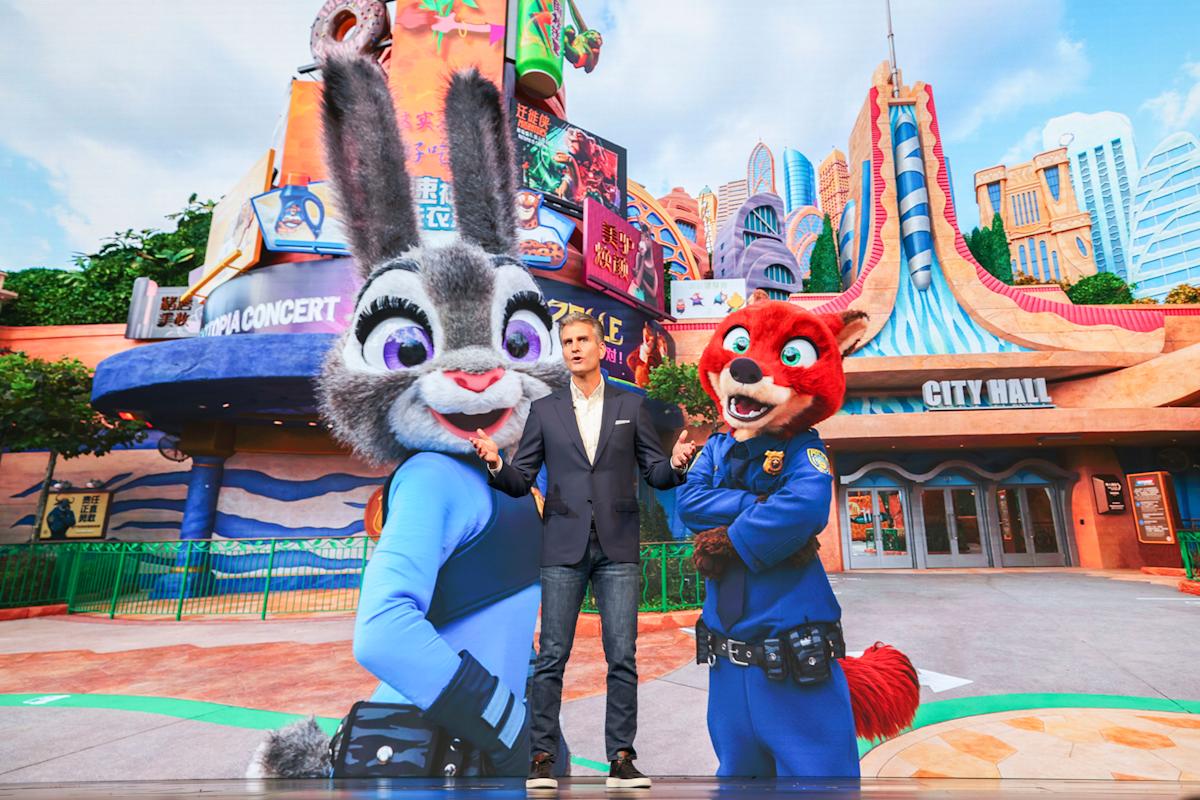
In his inaugural quarterly report as CEO, D’Amaro outlined a long-term strategy focused on three main pillars: investing in intellectual properties such as "Zootopia," reaching a broader audience, and leveraging advanced technology to enhance storytelling and financial returns.
Importantly, following Disney’s previous plans to invest in OpenAI—which was reconsidered after the latter discontinued its AI video-generation tool, Sora—the company has opted not to proceed with the investment. However, they continue to explore collaborative opportunities with OpenAI and other ventures, aiming to harness AI’s potential in the creative process.
Overall, Disney’s results signal a positive trajectory as the company navigates evolving market demands and explores new opportunities under fresh leadership.