Interest Rates Hold Steady Amid Iran Conflict Concerns
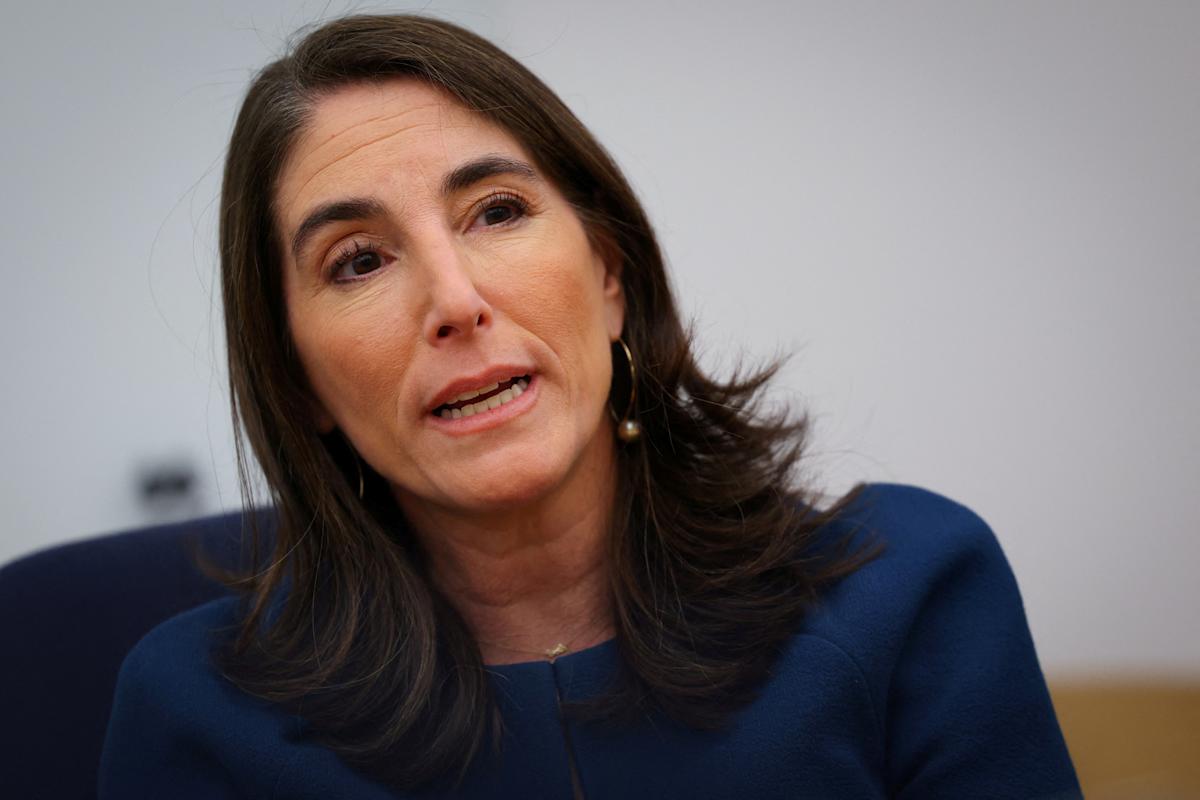
Beth Hammack, president of the Cleveland Federal Reserve, has added her voice to a consensus among central bank officials predicting that interest rates will remain unchanged. This decision is largely influenced by unresolved concerns regarding the implications of the ongoing conflict in Iran on inflation and employment.
In her interview with NPR, Hammack stated, “My base case is that we’ll be on hold for quite some time around this level, which is close to what I consider the natural rate of interest.” She expressed her awareness of pressures that affect both facets of the Federal Reserve’s mandate: inflation and employment.
Impact of the Iran Conflict on Inflation
With the war in Iran—now in its third month—Hammack is closely monitoring its duration. Historically, when conflicts cause surges in oil prices, the central bank often regards these spikes as temporary, expecting stability to return. However, Hammack is concerned that persistent inflation, which has lingered above the Fed’s target of 2% for over five years, may be exacerbated by the conflict.
“This is probably the fourth shock we’ve dealt with in five years,” Hammack remarked, referencing prior disruptions such as the pandemic, the Russia-Ukraine conflict, and tariffs. She questioned whether these occurrences are truly independent and if they could be instilling a more inflationary mindset among consumers and businesses.
Dissent Within the Federal Open Market Committee
While Hammack aligned with other members of the Federal Open Market Committee (FOMC) in supporting the decision to keep rates steady, she raised concerns about policy statement wording that suggested a potential future rate cut. Hammack commented, “The statement indicated rates were on hold but hinted at a downward bias for the next move. I found that misleading considering the current economic climate.”
The FOMC’s release following its recent meeting reflected a cautious stance, indicating that officials would deliberate over potential further adjustments to interest rates.
Hammack believes the Fed should maintain a neutral posture, given the dual impact of the Iran situation on inflation and employment. In a separate interview, Boston Fed President Susan Collins, a non-voting FOMC member, echoed this sentiment. Collins expressed her support for keeping interest rates unchanged but also preferred a more balanced description in the policy statement regarding possible future rate cuts.
The Central Bank’s Diverse Perspectives
Collins envisaged that interest rates might stay on hold for an extended period, with rate reductions considered later, contingent on evolving economic conditions. However, she did caution that the Fed could resort to rate hikes if inflation proves to be more enduring.
Dissent among FOMC members was also voiced by Neel Kashkari, of the Minneapolis Fed, and Lorie Logan, of the Dallas Fed, both objecting to the phrasing of the latest policy document.
As Kevin Warsh prepares to assume the Fed chair position, he has indicated a preference for a more dynamic approach to interest rate discussions, suggesting that robust debates may yield superior decision-making.
Hammack expressed enthusiasm for Warsh’s arrival, anticipating that his distinct perspectives would foster a broader dialogue within the Fed. “There’s substantial uncertainty at the moment, and I think that should reflect in our policy as we navigate interest rate decisions,” Hammack added.
In conclusion, the Federal Reserve finds itself in a delicate balancing act, trying to manage inflationary pressures while also remaining responsive to the implications of international conflicts on the economy. As central bank officials continue to deliberate on these critical issues, the direction of monetary policy will require careful consideration of both domestic and global economic factors.