Table of Contents
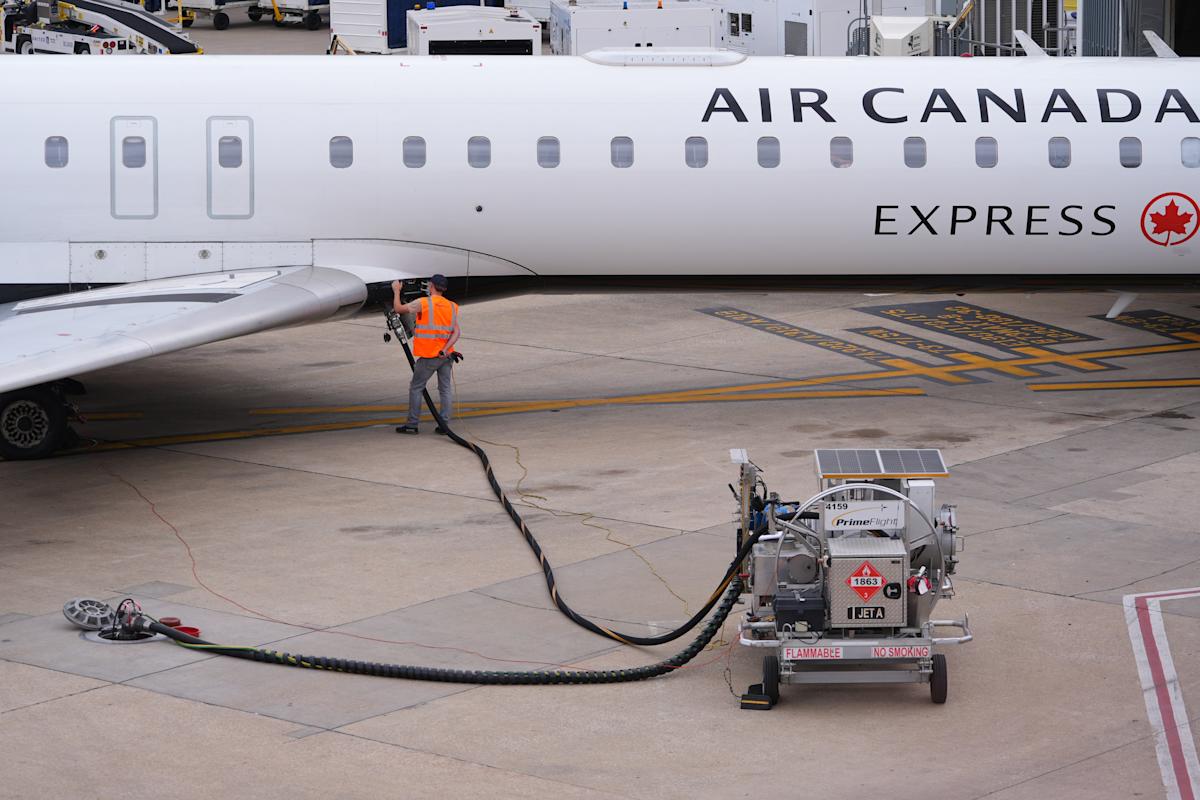
Increased Air Travel Costs Expected This Summer Due to Rising Jet Fuel Prices
Air travel is set to become substantially more expensive this summer, primarily due to soaring jet fuel prices, which have doubled since the onset of the Iran war. This increase in fuel costs has led airlines to cancel thousands of flights, creating disruptions in travel plans worldwide. The US Travel Association reported that airline fares surged by 14.9% in March alone, compared to the previous year.
Jet Fuel Supply Crisis
Recent developments in the Strait of Hormuz have severely disrupted global oil supply, with JPMorgan estimating that over 13 million barrels of crude oil have been removed from the market. This disruption has resulted in a shortage of jet fuel, the first refined product to feel the pinch in such situations, as indicated by GasBuddy’s Patrick De Haan. He explained that during periods of tight refinery output, aviation fuel often takes a backseat to more critical products like gasoline and diesel, which are essential for freight and agricultural sectors.
With the closure of the Strait, about 20% of the global seaborne jet fuel supply has been obstructed, exacerbating the crisis as it halts the delivery of finished fuel to airports. Estimates suggest that disruptions related to the Strait could reduce jet fuel supplies by approximately 620,000 barrels per day in the second quarter of 2026, attributed to both ineffective shipments and declining refinery output in Asia.
Financial Impact on Airlines
For airlines, rising jet fuel costs translate into significantly higher operational expenses. The impact is particularly burdensome for airlines with limited hedging strategies or those in highly competitive markets where raising ticket prices is challenging. Jet fuel costs have surged: front-month swap prices in the US Gulf Coast remain around 50% higher than pre-war levels, trading above $330 per gallon compared to $234 a month earlier.
Delta Air Lines has estimated an additional $2 billion in costs for the second quarter due to jet fuel price increases, while American Airlines anticipates additional expenses of $4 billion throughout the year. Delta’s CEO, Ed Bastian, pointed out the company’s need to reduce capacity in the current quarter while navigating the challenging fuel situation.
Industry Adjustments and Passenger Outlook
Airlines are grappling with minimal margins as the peak summer travel season approaches. The head of the International Energy Agency, Fatih Birol, warned that Europe has only about six weeks of jet fuel inventory left. In response, Lufthansa has cut 20,000 flights until October in an effort to manage costs.
Major US airlines, including United Airlines, Delta, and American, are adapting by modifying schedules on select routes. Fuel surcharges and base fare increases have already been implemented to help maintain margins, echoing sentiments expressed by Delta’s Bastian regarding the necessity of covering rising costs.
The challenges faced by the aviation sector have also led to significant fallout, with budget carrier Spirit Airlines recently succumbing to financial pressure exacerbated by rising fuel costs and restructuring difficulties.
As the situation evolves, both airlines and consumers can expect to face considerable turbulence in the travel landscape this summer.
Conclusion
The current aviation fuel crisis has unmistakable ramifications for air travel costs. As airlines navigate through these challenges, travellers should be prepared for higher ticket prices and potential flight cancellations. With the situation in the Strait of Hormuz and global supply chains still uncertain, ongoing disruptions are likely to shape the dynamics of air travel in the months ahead.