Tesla’s venture into autonomous vehicles is encountering some hurdles, particularly in achieving travel times comparable to human drivers. This challenge came to light during a recent robotaxi ride in Austin, Texas, undertaken by Deutsche Bank analyst Edison Yu.
Yu noted that although a safety monitor was present during the test ride in heavy traffic, their involvement was unnecessary, highlighting that the implementation of robotaxis is still in the validation phase. He praised the technology’s performance, stating that the vehicle effectively managed lane merges and navigated around obstacles. However, he expressed frustration over the car’s route logic, which resulted in a significant detour—turning a potential 20-minute journey into nearly 40 minutes. This is likely due to existing operational constraints that Tesla must navigate.
The cost of the trip was $17.35, reflecting the ongoing transition to this new mode of transport.
Tesla’s stock is in need of a boost, particularly as it rolls out its robotaxi fleet. The company’s stock has declined by around 20% this year, marking it as the worst performer within the ‘Magnificent Seven’ tech stocks. This downturn can be attributed to a variety of factors, including the delivery of 358,023 vehicles in the first quarter, which fell short of analyst expectations of nearly 370,000 units. Although this figure represented a 6.3% year-on-year increase, it was from a low baseline and illustrated a stark decline from the previous quarter’s record deliveries.
Further complicating demand, the removal of a $7,500 federal tax incentive for electric vehicles late last year has negatively impacted US market demand, compounded by higher interest rates that have made financing more burdensome for consumers.
Additionally, Tesla faces substantial competition from Chinese electric vehicle manufacturers such as BYD, as well as established automakers like Ford and General Motors, who are gradually ramping up their EV production.
Former Tesla president Jon McNeill emphasised the necessity of autonomous driving for Tesla’s future, suggesting that without it, consumers would lean towards vehicles that can function autonomously. He believes that Tesla must also maintain cost efficiency through enhanced robotics in manufacturing.
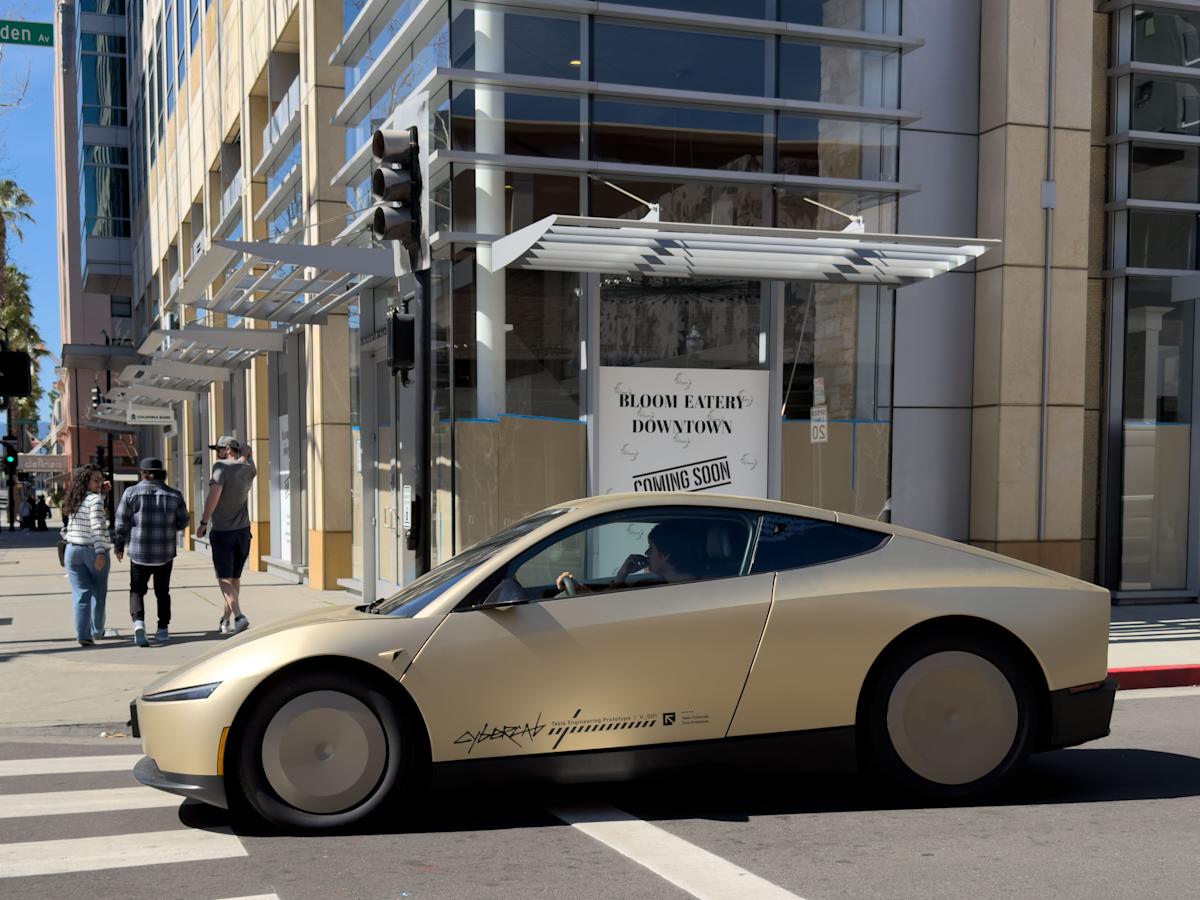
To reignite investor interest, Elon Musk has stated that 2026 will be pivotal for new product launches. A highlight will be the release of the dedicated robotaxi, known as Cybercab, which is set for initial production soon. This vehicle, devoid of traditional controls like a steering wheel or pedals, is expected to serve as the cornerstone of Tesla’s forthcoming ridesharing network, competing with companies like Waymo and established rideshare platforms such as Uber and Lyft.
In addition to the Cybercab, Musk is accelerating the development of the Optimus humanoid robot, which is designed to automate repetitive tasks within Tesla’s manufacturing plants by the year’s end.
As Tesla navigates the complexities of introducing self-driving cars amid competition and market pressures, the company remains focused on aligning technology advancements with consumer expectations to secure its place in the autonomous vehicle landscape.