Table of Contents
Tesla’s Journey to Autonomous Driving: Challenges and Opportunities
Tesla, a prominent player in the automotive industry, is vigorously pursuing the implementation of driverless technology, but this ambitious goal is not without obstacles. A key challenge lies in aligning the travel times of its autonomous vehicles with those of human drivers.
In a recent experience shared by Deutsche Bank analyst, Edison Yu, regarding a robotaxi ride in downtown Austin, Texas, he noted the difficulties faced by the self-driving technology amidst “solid” traffic conditions. Yu highlighted that a safety monitor was present during the ride but did not have to intervene, indicating that the technology is still in the validation stage.
Yu’s observations pointed to impressive technology, noting the robotaxi’s ability to merge, signal lane changes, and navigate around vehicles. However, he expressed frustration with the route taken; it appeared the vehicle chose a lengthy detour to avoid a restricted route, doubling the travel time from what a human driver might have accomplished. Yu speculated that as operational parameters expand, these issues will likely self-correct.
The fare for the ride amounted to $17.35, showcasing the financial aspect of the robotaxi service.
Stock Performance and Market Position
Despite its technological strides, Tesla’s stock is experiencing a slump, declining around 20% this year, which makes it the least performing entity among the "Magnificent Seven." Several factors contribute to this downturn:
-
Vehicle Deliveries: In the first quarter, Tesla delivered 358,023 vehicles, falling short of analyst estimates of 366,000 to 370,000. While this figure represents a year-on-year increase of 6.3%, it is a sharp drop from the record sales achieved in the previous quarter.
-
Federal Incentives: The removal of the $7,500 federal electric vehicle tax credit at the end of last year has significantly dampened demand in the U.S. market.
- Market Competition: Tesla is facing fierce competition from Chinese EV manufacturers like BYD, as well as established automotive companies including Mercedes-Benz, General Motors, and Ford, all of which are ramping up their electric vehicle production.
Jon McNeill, former president of Tesla, mentioned in a podcast that the biggest threats to Tesla’s business model are the need for autonomous functionality and efficient, low-cost manufacturing. He emphasized that without these elements, consumers would likely gravitate toward vehicles that offer autonomous driving capabilities.
Looking Toward the Future
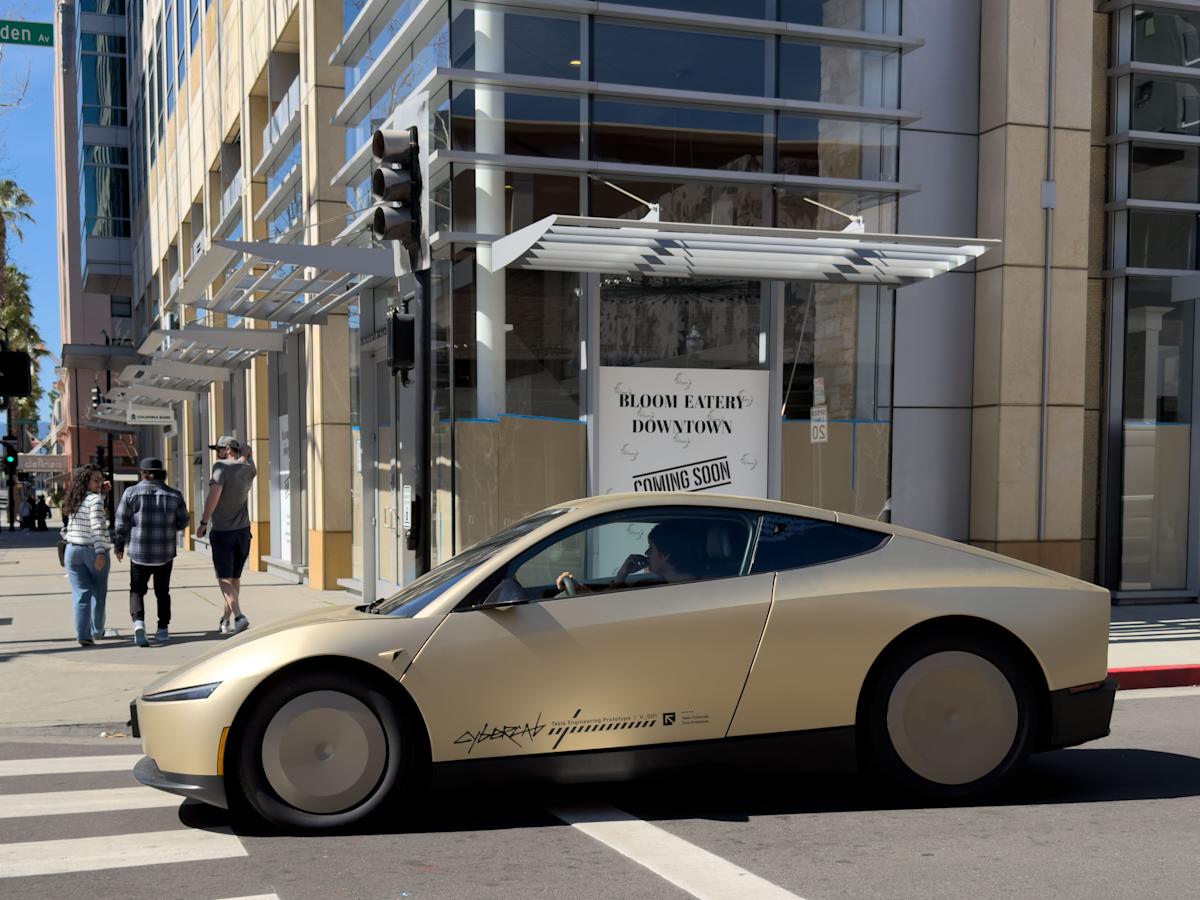
Elon Musk has assured stakeholders that 2026 will see significant advancements and product launches. The introduction of the dedicated robotaxi, the Cybercab—designed without a steering wheel or pedals—is on the horizon, with initial production set to commence soon. This vehicle will spearhead Tesla’s forthcoming autonomous ridesharing network, designed to compete with established players like Uber and Lyft, as well as autonomous entities such as Waymo and Zoox.
In addition, Musk is fast-tracking the development of the Optimus humanoid robot, which is intended to take over monotonous tasks within Tesla factories by the end of this year.
In conclusion, while Tesla is steadfastly working toward its goal of an autonomous driving future, it must navigate a variety of challenges, from technological validation and stock performance to intense competition in the evolving landscape of electric vehicles. As new products launch and advancements unfold, the coming years will be crucial for determining Tesla’s position in the automotive market.