Table of Contents
Escalating Housing Crisis in Australia: Vulnerable Communities Turn to Vehicle Living
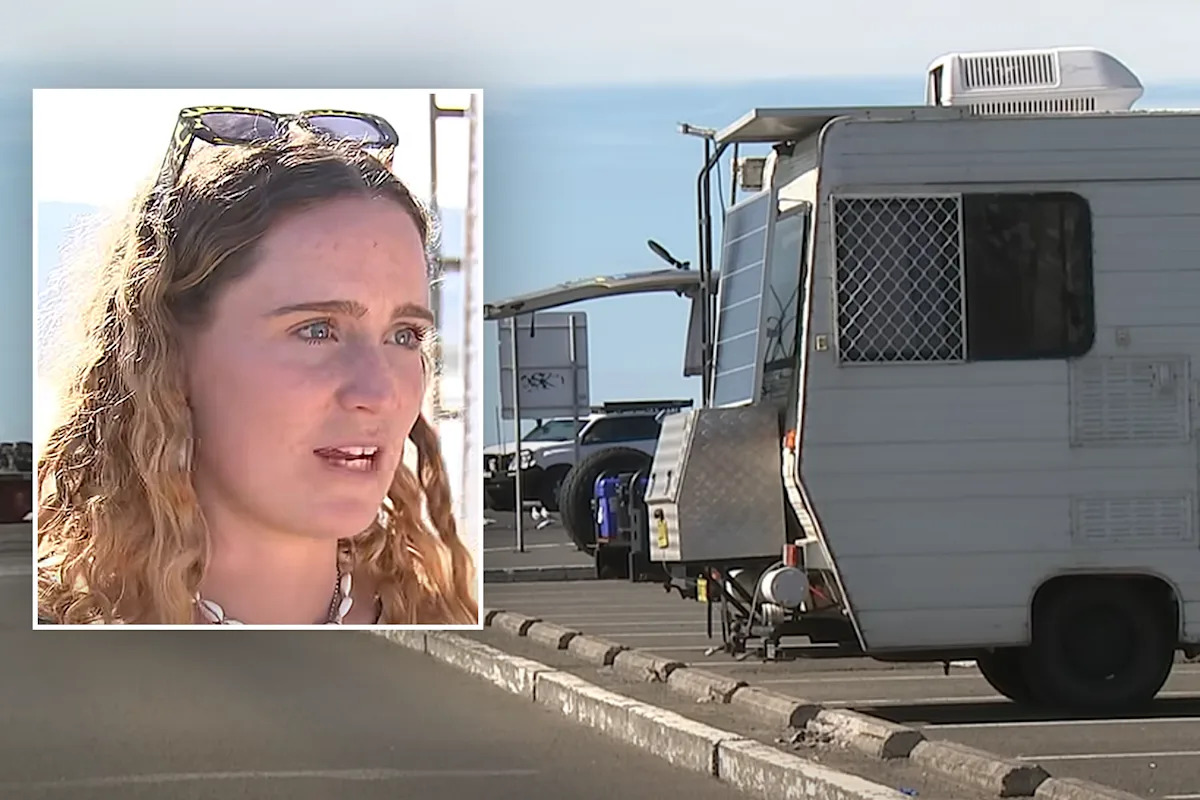
Volunteers on Australia’s eastern seaboard are sounding the alarm over a deepening housing crisis that is forcing many vulnerable individuals into their vehicles. Reports indicate that children and their mothers are increasingly spending nights in Illawarra car parks, while others resort to living in caravans or vans out of sheer necessity rather than choice.
Pressure on Support Services
Frontline support organisations are struggling to cope with the rising demand, facing unprecedented pressures as more older Australians are turned away due to limited housing and emergency resources. This troubling trend is especially apparent along the New South Wales South Coast, although it resonates throughout the entire nation.
In recent months, voices from across Australia have raised concerns about the growing crisis, which appears to be spiralling out of control.
Contact for Stories: Those with personal experiences related to the housing crisis can reach out to reporter Joe Attanasio at joe.attanasio@yahooinc.com.
Illawarra Residents Share Their Experiences
The consequences of soaring rent are evident in the stories shared by residents. One former tenant, Bec, stated that she was compelled to live in her van full-time in Wollongong after enduring a series of rent increases. “If I were renting, my whole life would have to change,” she remarked, highlighting how economic instability directly influences lifestyle choices.
Another individual, Rob, describes himself as a "grey nomad" who has chosen vehicle living for the past nine years for financial ease. However, he noted that not everyone in similar circumstances does so voluntarily. He observed that evening car parks often serve as temporary sanctuaries for families with no alternatives.
Local support groups report a spike in need, now accommodating about 40 individuals monthly who find themselves without a roof over their heads. Mandy Booker from Wollongong Homeless Hub declared, “Outreach teams are noticing an increase in people sleeping in their cars, particularly in the beach car parks and surrounding areas. Many have no safe place to go.”
Unfortunately, the cycle is difficult to break, as many individuals who enter temporary crisis accommodation find themselves back on the streets within days. One poignant case involved a 71-year-old man who, after being denied further temporary housing, returned to living in his car.
Calls for Compassion and Long-Term Solutions
Advocates are urgently calling for increased long-term housing investments as well as more compassionate responses towards those affected. “First and foremost, we need compassion,” said Mandy.
Misconceptions Surrounding Vehicle Living
Amid rising numbers of individuals living in vehicles, misconceptions persist. Bec emphasised that many people perceive a car park filled with vans to be a sign of rule-breaking, rather than understanding the dire circumstances forcefully pushing individuals into these situations.
“People are often surprised to discover that many in these vans are highly intelligent and capable individuals,” she remarked.
As more Australians find temporary refuge in vehicles, there are mounting calls for the establishment of designated van living areas as a practical alternative to traditional housing. Rob pointed out the underutilisation of spaces along the lakes that could accommodate many more.
Conclusion
The unfolding housing crisis is affecting an increasing number of Australians, highlighting an urgent need for supportive measures and systemic change. The community is rallying around the vulnerable, advocating for compassion and long-term solutions to mitigate the escalating situation.
As this crisis continues to evolve, it is essential to foster dialogue, encourage community support, and explore innovative housing solutions to meet the growing needs of those affected.