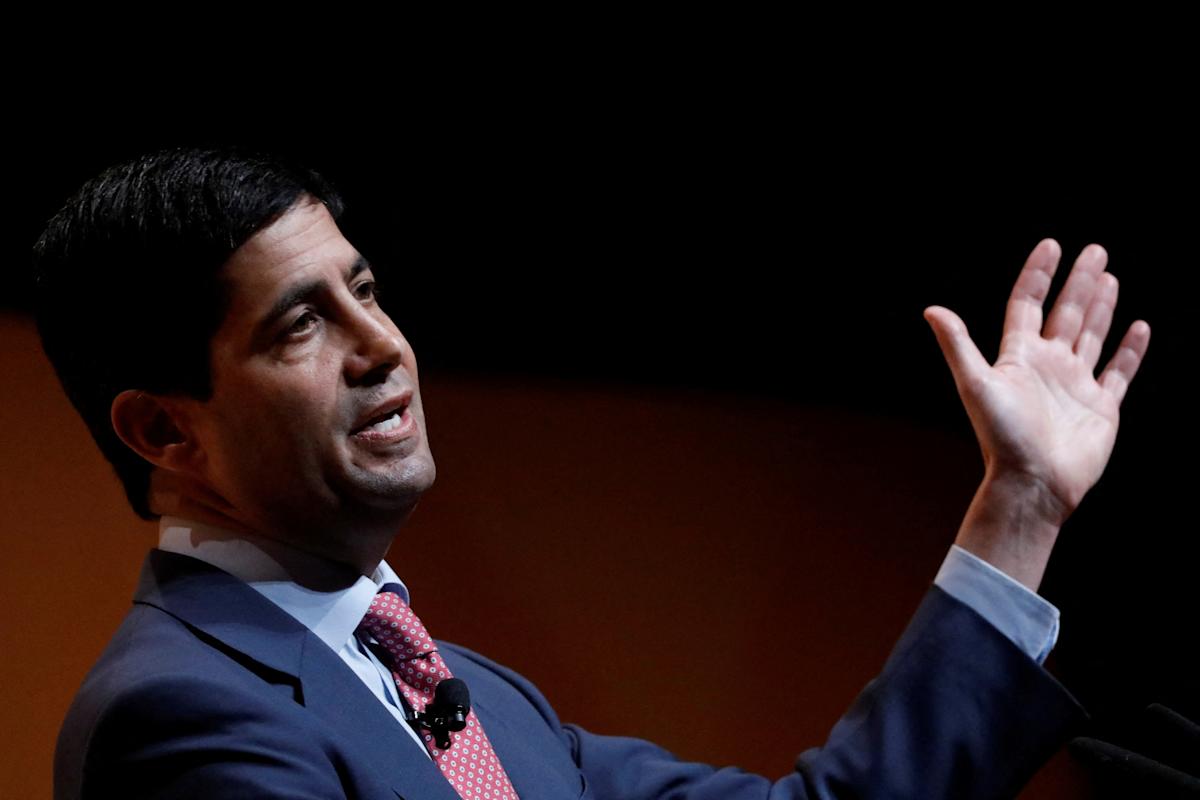
Kevin Warsh, nominated by President Trump to chair the Federal Reserve, is scheduled for his confirmation hearing before the Senate Banking Committee on Tuesday in Washington, D.C. A pivotal focus of the hearing will be the central bank’s independence, particularly in light of President Trump’s persistent calls for reduced interest rates over the past year. Warsh’s responses regarding the Fed’s autonomy may prove more influential than the central bank’s impending policy decisions.
With the current chair Jerome Powell’s term ending on May 15, the confirmation process takes on added urgency. However, uncertainty surrounds Warsh’s path to confirmation, as the support he requires hangs in the balance.
Senator Thom Tillis, a Republican member of the banking committee and a Warsh supporter, has made it clear he will block the confirmation until a Justice Department inquiry into Powell is resolved. This investigation, initiated in January, questions whether Powell misled Congress during testimony about the Federal Reserve’s renovation costs in Washington. Powell has publicly stated that the investigation stems from disagreements between the Trump administration and the central bank over interest rate policies.
A recent ruling by a federal judge nullified two subpoenas issued by the Justice Department to the Fed, thus undermining the legitimacy of the inquiry. Despite this, U.S. Attorney Jeanine Pirro has indicated plans to appeal. The situation remained tense last week when prosecutors visited the Fed’s headquarters unannounced but were refused entry.
Tillis’s decision is critical; without his support, Warsh cannot advance through the committee as the 11 Democratic members are expected to vote against him. Economic policy director Henrietta Treyz from Veda Partners expressed doubts about Tillis’s willingness to change course, citing his dedication to the independence of the Fed.
If confirmed, Warsh will face a significant challenge given the opposing elements of the Fed’s dual mandate. Inflation rates have consistently exceeded the Fed’s 2% target for five consecutive years, while the job market has begun to show signs of weakness.
Matt Luzzetti, chief economist at Deutsche Bank, noted that Warsh will need to gain the market’s trust regarding his commitment to reducing inflation, a crucial aspect for any incoming chair, particularly in the present context of rising prices and the pressures from the President for aggressive rate cuts.
In his pre-nomination statements, Warsh was critical of the Fed, advocating for the dismissal of the stagflation outlook and predicting that advancements in AI would enhance productivity and reduce inflation. He has contended that excessive government expenditure, rather than rapid economic growth or worker compensation, is the real cause of inflation.
Warsh previously served as a Federal Reserve governor from 2006 to 2011 and held the distinction of being the youngest individual in that role. His influential past also includes serving as a special assistant to the President for economic policy and on the White House National Economic Council. Currently, Warsh is affiliated with the Hoover Institution as a visiting fellow in economics.
According to government disclosures, Warsh’s financial interests exceed $100 million, encompassing investments in companies like SpaceX and prediction market Polymarket.
During his previous tenure at the Fed, Warsh frequently expressed concerns about inflation control and the importance of maintaining the central bank’s credibility. Interestingly, despite consistently aligning his votes with committee consensus—never dissenting or advocating for significant rate adjustments—his current stance appears to be evolving in response to recent economic developments.
The impending confirmation hearing will likely address whether Warsh’s earlier views persist in light of current geopolitical landscapes or if he will advocate for immediate interest rate cuts. As he navigates discussions on monetary policy, he may highlight temporary inflation risks that necessitate vigilance before shifting back to easing policies.
Although Warsh possesses distinct views, he must cultivate consensus within the Federal Open Market Committee (FOMC), which comprises 18 members with varied perspectives. This balance will be crucial for his effectiveness as chair should he secure confirmation.
—
In summary, as Warsh prepares for his crucial confirmation hearing amid political and economic pressures, his stances on central bank independence and monetary policy will face rigorous scrutiny from both committee members and the wider financial community.