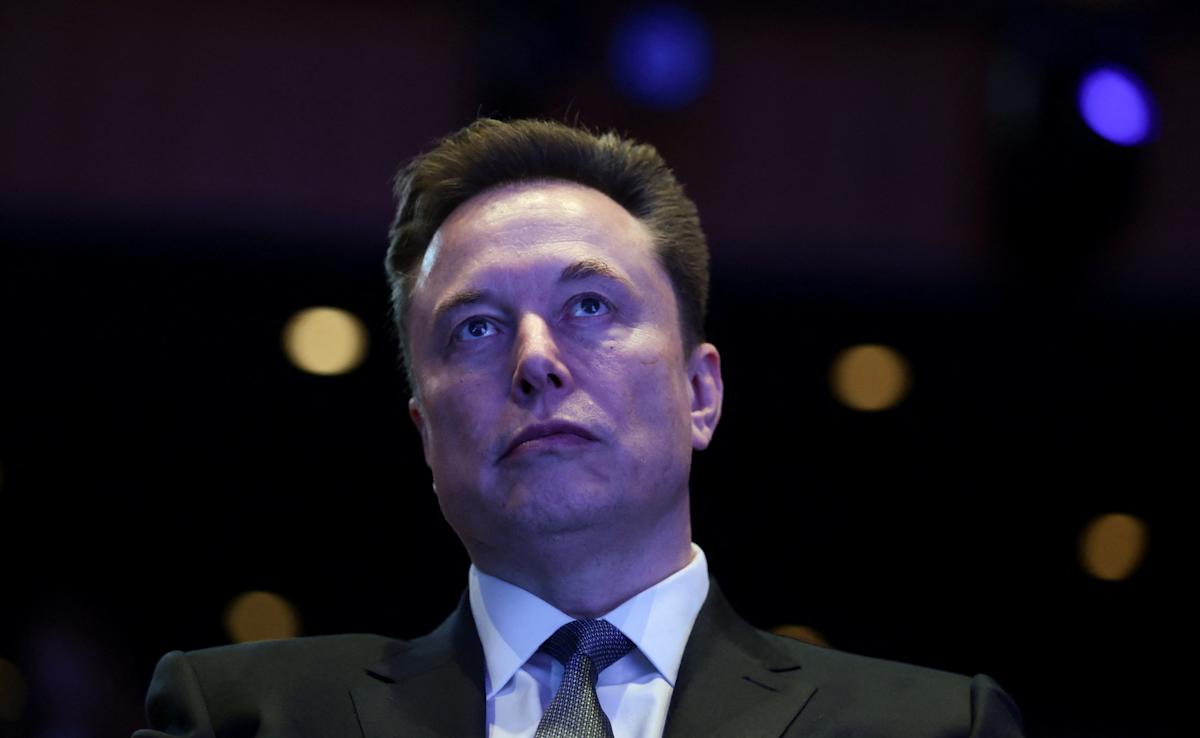
In a recent episode of the podcast “Moonshots with Peter Diamandis,” Elon Musk, CEO of Tesla and SpaceX, stirred up quite the conversation by suggesting that saving for retirement may soon be unnecessary. He believes that with the advancement of artificial intelligence (AI), the future will offer people essential services—such as healthcare and entertainment—without scarcity, making traditional retirement planning obsolete.
Musk claimed, “Saving for retirement will be irrelevant… you’ll have the home, the healthcare, the entertainment—everything you want will be available.” He emphasised that while society might face some initial disruptions during this transition, the end result would enhance our quality of life significantly. According to him, everyone will have access to advanced medical care and education, signalling a remarkably different world from the one we’re accustomed to.
While Musk’s vision is undoubtedly ambitious, many financial advisors urge caution. Conor Kelly, a seasoned advisor at Prime Capital Financial, echoed skepticism about the feasibility of such a future. He pointed out the historical continuity of money as a medium of exchange and expressed doubt that it would vanish entirely. Even if we were to embrace a future characterised by an abundance of AI-driven services, he warned that tangible assets, like real estate, would likely still hold value. As such, saving and investing remain crucial strategies for those wishing to secure their financial future.
Financial planner Dan Galli in Massachusetts took a more critical stance, expressing doubts about Musk’s assertion that society may one day function without effort. He suggested that the idea of a life without work challenges fundamental human nature. Reflecting on technological predictions of the past, Galli noted that promises made decades ago about future conveniences did not fully materialise. He cautioned that not planning for the future could lead to dire consequences.
Pam Krueger, the founder of financial advisory service Wealthramp, found Musk’s predictions both intriguing and troubling. She acknowledged the transformative potential of AI and automation but highlighted the disconnect between futuristic possibilities and current realities. While innovation may lead to more affordable goods and services over time, Krueger advised against abandoning personal financial planning. She argued that preparing for the future based on today’s realities is a more pragmatic approach.
Krueger concluded that building retirement security on the foundations of existing financial systems remains wise, stating, “If the future turns out cheaper and better, great—you will be even more prepared.”
In summary, while Musk’s vision of a future enriched by AI includes the prospect of liberated lives without the strains of traditional retirement planning, the prevailing sentiment among financial experts underscores the necessity of cautious planning. Advancements in technology should enhance financial security rather than replace it entirely, allowing individuals to thrive in an evolving economic landscape.