Table of Contents
EU Enacts Comprehensive Sanctions Targeting Russia’s Financial Framework
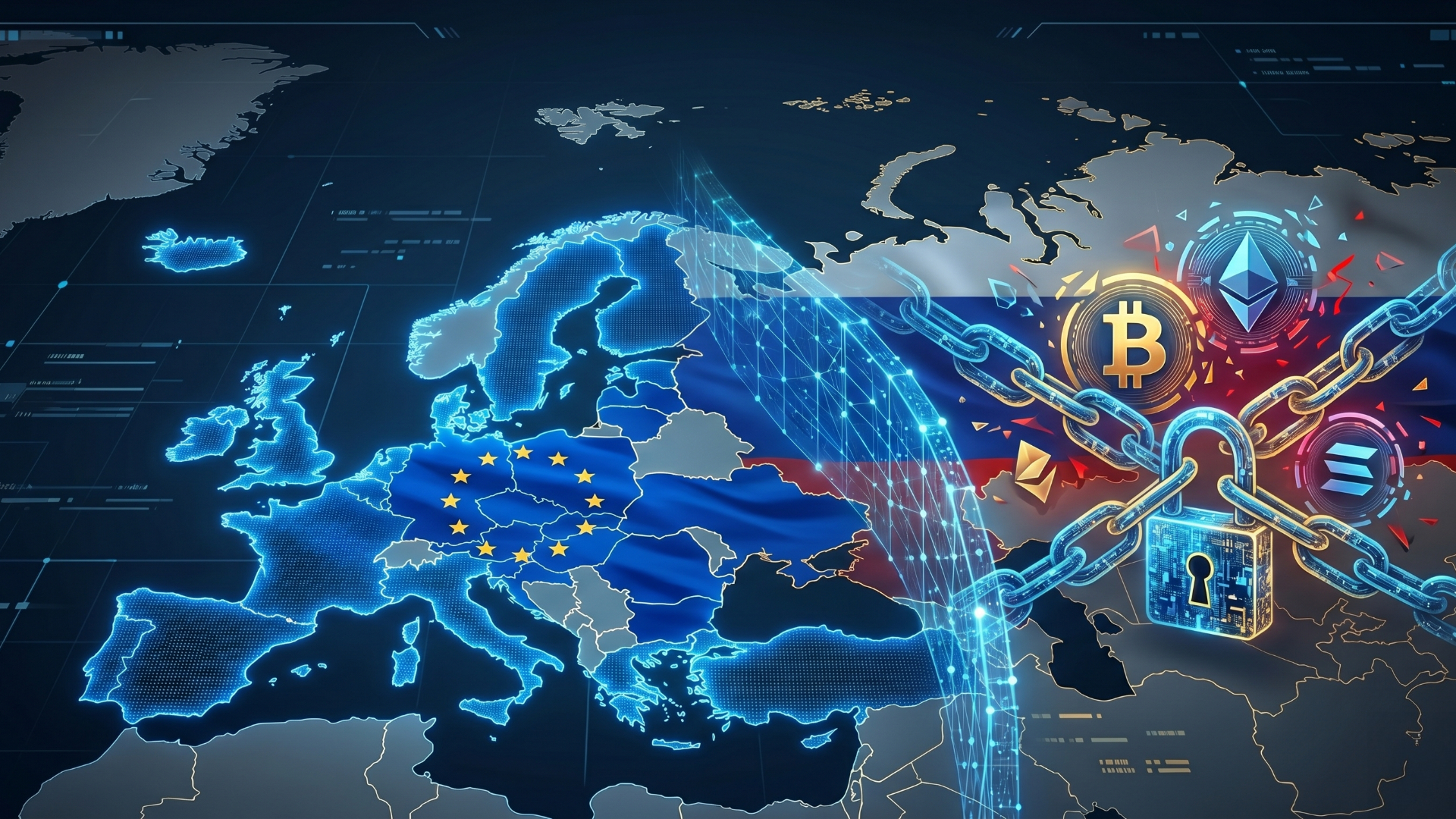
The European Union (EU) has unveiled its most extensive sanctions package in two years, specifically aimed at crippling Russia’s financial system, particularly through its cryptocurrency channels which have been exploited to circumvent existing restrictions. This latest initiative is seen as a significant move in response to the ongoing conflict in Ukraine.
Key Components of the Sanctions
A central feature of this sanctions package is a total prohibition on all cryptocurrency activities involving Russian-based platforms. The EU has implemented a ban on transactions with cryptocurrency service providers and decentralised exchanges operating within Russia. This decisive action is intended to cut off financial routes that have been utilised to evade imposed penalties. These restrictions extend beyond the crypto sphere, targeting banks and financial institutions connected to Russian payment systems.
Focus on Digital Assets
EU officials have observed a rising trend of Russia relying on digital assets to facilitate international transactions amid ongoing sanctions. As a countermeasure, the EU has established stringent regulations against platforms and intermediaries involved in these activities, particularly those associated with stablecoins linked to Russian financial networks.
The new regulations specifically prohibit the use of rouble-backed stablecoins and preclude any EU backing for the development of Russia’s own digital currency, the digital rouble. Furthermore, additional transactional restrictions have been initiated concerning certain crypto assets, alongside an outright ban on mechanisms such as netting arrangements that could assist in circumventing sanctions.
Broader Economic Measures
This sanctions package does not solely concentrate on cryptocurrency, but also extends to energy exports, trade and industrial sectors linked to military manufacturing. The overarching objective is to dismantle the economic structure that supports Russia’s military operations. EU officials have emphasized that these sanctions aim to apply sustained pressure on Moscow, encouraging a return to negotiations that align with Ukraine’s demands.
Overall, the EU’s expanded and aggressive sanctions strategy demonstrates its commitment to exert serious economic pressure on Russia as the conflict in Ukraine continues to evolve.