Investment Insights: Caution in Software Stocks Amid Troubling Trends
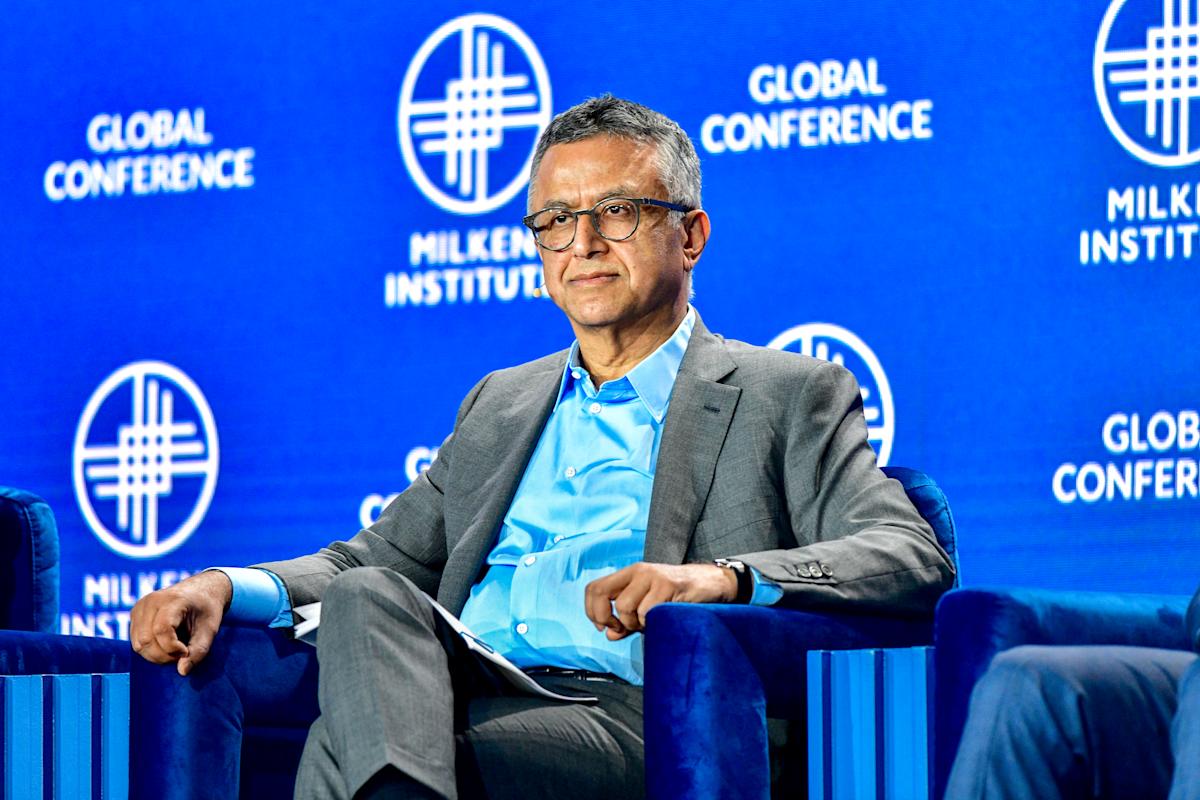
Victor Khosla, the founder and CEO of Strategic Value Partners, a firm with $22 billion in assets, has expressed a cautious outlook on software investments during a recent interview at the Milken Institute Global Conference. Khosla highlights the current turbulence in the software sector, referring specifically to the significant level of debt that many software companies are facing, and warns of potential distress in this area.
Khosla stated, “One thing we are not investing in today is software. There’s a lot of software debt which has started to get distressed.” He elaborated that troubled software companies often experience drastic revenue declines without any warning, likening the situation to a sudden plunge off a cliff. This unpredictability, coupled with a lack of tangible assets in many software firms, makes the sector a risky choice for investors.
Instead of software, Strategic Value Partners has shifted focus toward more stable investments in the real economy. Khosla noted that the firm has consistently prioritised sectors such as manufacturing, chemicals, and home building, along with owning infrastructure assets like power plants, aircraft, and toll roads. This strategy underscores their preference for hard assets in uncertain market conditions.
The backdrop for software stocks reveals a significant sell-off this year, coinciding with disruptive developments in artificial intelligence (AI) that are challenging traditional software business models. The downturn has affected a range of companies, including prominent names like Salesforce and DocuSign. According to RBC Capital Markets strategist Lori Calvasina, this selling trend may not have reached its bottom yet, raising further concerns in the market.
This period of decline, often referred to by analysts as a “SaaS-pocalypse,” has been driven by three major concerns:
-
Democratization of Development: Businesses are increasingly able to create custom tools in-house due to advancements in AI, reducing their reliance on traditional software providers.
-
Seat Compression: The rise of AI agents has led to a decrease in the need for human workers, diminishing the requirement for individual software licenses.
- Growth Lag: There is a struggle for software companies to effectively monetise AI capabilities, while infrastructure providers, such as Nvidia, are reaping substantial rewards from the AI boom.
High-profile companies have felt the pinch acutely, with ServiceNow experiencing a 40% drop in stock value year-to-date. Salesforce’s shares have seen a fall of over 30%, primarily due to concerns surrounding its seat-based licensing model. Additionally, Adobe’s stock has declined nearly 20% following the announcement of CEO Shantanu Narayen’s departure, amid fears that generative AI tools could undermine its dominance in the creative software space.
The overarching message from Khosla’s cautionary stance is clear: if a seasoned high-yield debt investor like him is hesitant about the prospects of distressed software companies, it may be wise for investors to reconsider their positions in such equities. While the temptation to seek out bargains in the beleaguered software sector is strong, this environment calls for prudence rather than heroics in investment decisions.
In conclusion, as the software industry grapples with unprecedented challenges, investors are urged to remain vigilant and discerning. The stability offered by tangible asset investments appears to be a safer bet in the current landscape, as the potential risks inherent in software stocks may continue to unfold.
For further updates and insights, feel free to follow Brian Sozzi on social platforms or reach out directly with story tips.
This summarised article provides an overview of the current investment climate surrounding software companies, particularly focusing on the insights shared by Victor Khosla. The content is crafted to keep within a 1000-word limit while ensuring a unique restatement of the original piece.