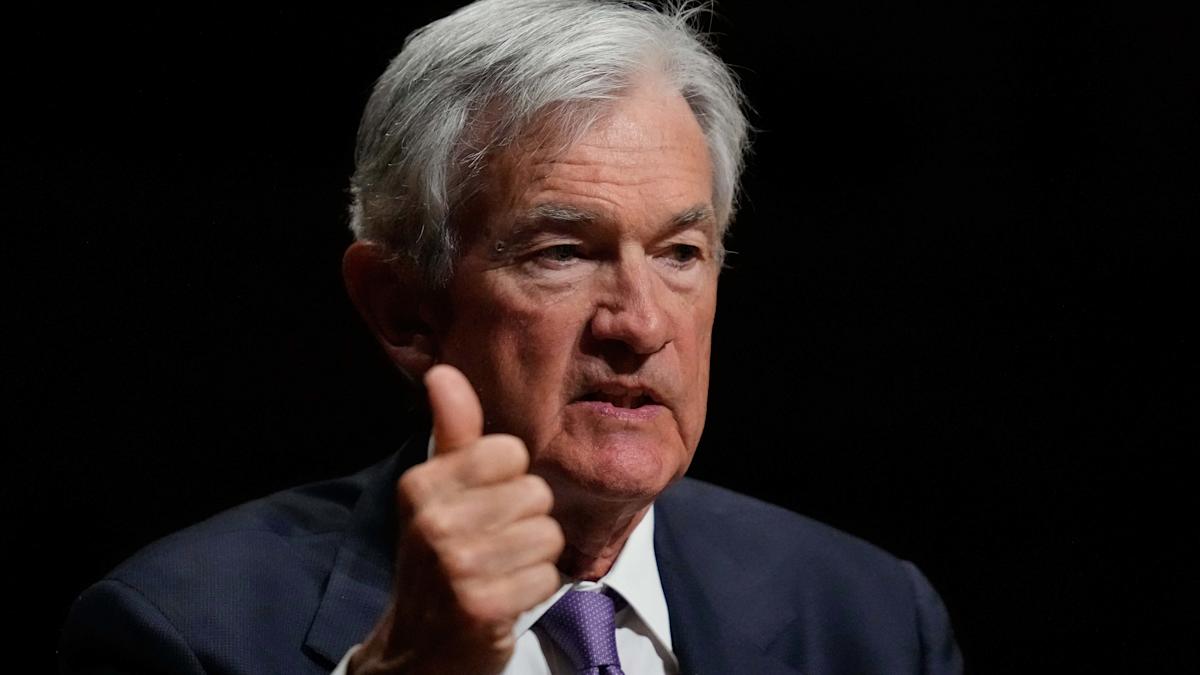
The Federal Reserve is anticipated to maintain its benchmark interest rate during the upcoming policy meeting, primarily due to the ongoing uncertainty regarding the situation in the Middle East. Fed Chair Jerome Powell is expected to conduct what may be his final press conference, as the Senate banking committee is set to vote to confirm Kevin Warsh as his successor, with Powell’s term concluding on May 15.
Powell’s last policy meeting after nearly eight years in leadership is expected to be relatively subdued. According to Matt Luzzetti, Chief US Economist at Deutsche Bank, Powell is likely to express concerns about the economic and monetary policy ramifications of the ongoing conflict, particularly highlighting the risk of persistent inflation should oil prices remain high.
Investors are keen to hear how Powell addresses the implications of the conflict on inflation and economic growth, especially whether he warns that sustained elevated oil prices could adversely affect both growth and employment alongside inflation metrics. Former Kansas City Fed President Esther George stated that high inflation could lead to reduced consumer demand, but also pointed to various supportive factors for consumers, such as increased capital investment and government spending linked to the war.
The Fed faces a pivotal moment as it examines whether the recent surge in energy prices represents a temporary spike or a more lasting challenge to its inflation targets. Fed Governor Chris Waller has acknowledged that a series of shocks to the economy may not remain isolated and could contribute to longstanding inflationary pressures.
Before the onset of the conflict, inflation was already showing signs of stubbornness, with lingering inflation in services despite stabilising goods prices. Loretta Mester, former Cleveland Fed President, noted that even prior to the war, inflation readings were firming rather than declining, suggesting a need for the Fed to remain vigilant on inflation threats.
Recent inflation data, showcasing a 3.3% increase in March driven by a considerable rise in gas prices, reflected these challenges. Core inflation, which excludes volatile energy and food costs, rose modestly to 2.6%. Market observers are awaiting the Fed’s preferred inflation measure, the Personal Consumption Expenditures index, which is set to be released shortly.
Luzzetti from Deutsche Bank has adapted his forecasts, anticipating that the Fed will likely hold rates steady rather than enact cuts in 2026, unless significant weakening in the job market coincides with softer inflation figures. He further projected that for any rate hikes to be feasible, enough economic resilience would be needed to fuel inflationary concerns above the current threshold.
The current dialogue at the Fed has shifted focus away from potential rate cuts, with Krishna Guha of Evercore ISI indicating that any consideration of rate reductions will likely remain on hold as officials prioritise navigating the implications of tariffs and surges in oil prices. The Fed’s policy announcement is scheduled for 2 p.m. ET, with Powell’s press briefing to follow at 2:30 p.m. No new projections regarding interest rates or economic forecasts are expected to be shared during this meeting.
—
This analysis provides an overview of the Fed’s current standing amid external economic pressures and highlights critical considerations for investors and policymakers alike as they navigate a rapidly changing financial landscape.