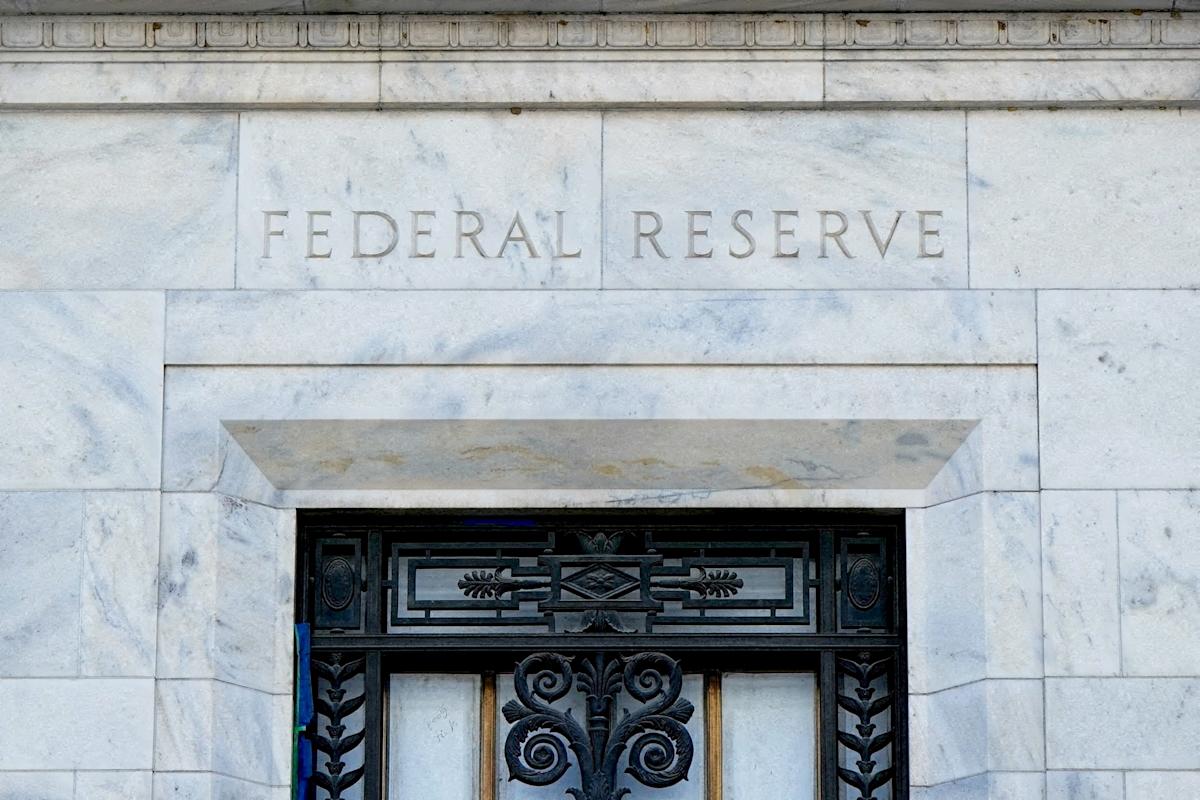
A recent report by the Federal Reserve confirms that risks associated with private credit are currently “limited and manageable.” Despite this relative stability, the central bank cautioned that rising redemptions and negative investor sentiment may restrict access to credit for higher-risk borrowers, making alternative financing options more expensive or difficult to secure.
The private credit market has been shaken in recent months, particularly following the cancellation of a merger involving Blue Owl Capital, which prompted a wave of redemption requests from investors. These increased withdrawals intensified concerns that advancements in artificial intelligence (AI) could threaten traditional software business models, possibly resulting in higher default rates among previously stable software companies, many of which are financed through private credit lenders.
The Federal Reserve’s report highlights that some open-end bond and loan mutual funds are vulnerable to “liquidity transformation risks.” These funds offer daily redemptions while holding potentially illiquid assets, which could necessitate forced asset sales during market downturns.
Despite these concerns, the Fed reported that overall loan defaults within the private credit sector remain low. However, the increasing use of payment-in-kind provisions—where borrowers may be compensated with benefits like interest or dividends rather than cash—suggests that some borrowers are experiencing repayment challenges.
Additionally, life insurers have significantly increased their investments in risky and illiquid assets over the last decade, further fuelling the growth of private credit.
As of the end of the fourth quarter of 2025, banks have been active in lending to private credit funds, with both loan commitments and outstanding amounts showing an uptick overall. While some private credit funds did see a reduction in loans, others experienced increases, which the Fed considered to be consistent with typical risk-management strategies.
Federal Reserve Chair Jerome Powell indicated in March that he does not foresee a contagion risk within private credit markets that might extend to the broader financial system, though the Fed remains vigilant in monitoring the situation.
The report forms part of the Fed’s semiannual analysis on financial stability since the 2008 crisis, addressing four main aspects: asset valuations, consumer and business borrowing, financial sector borrowing, and funding risks.
Furthermore, the report reassured that other areas remained stable, with elevated stock valuations. Notably, the ratio of stock prices to earnings for S&P 500 companies is in the higher range of its historical bounds, and the equity premium—compensation for the risk associated with investing in stocks—continues to sit well below historical averages.
This comprehensive assessment provides a detailed view of the current state of private credit and associated risks, alongside broader market conditions that inform investor strategies.