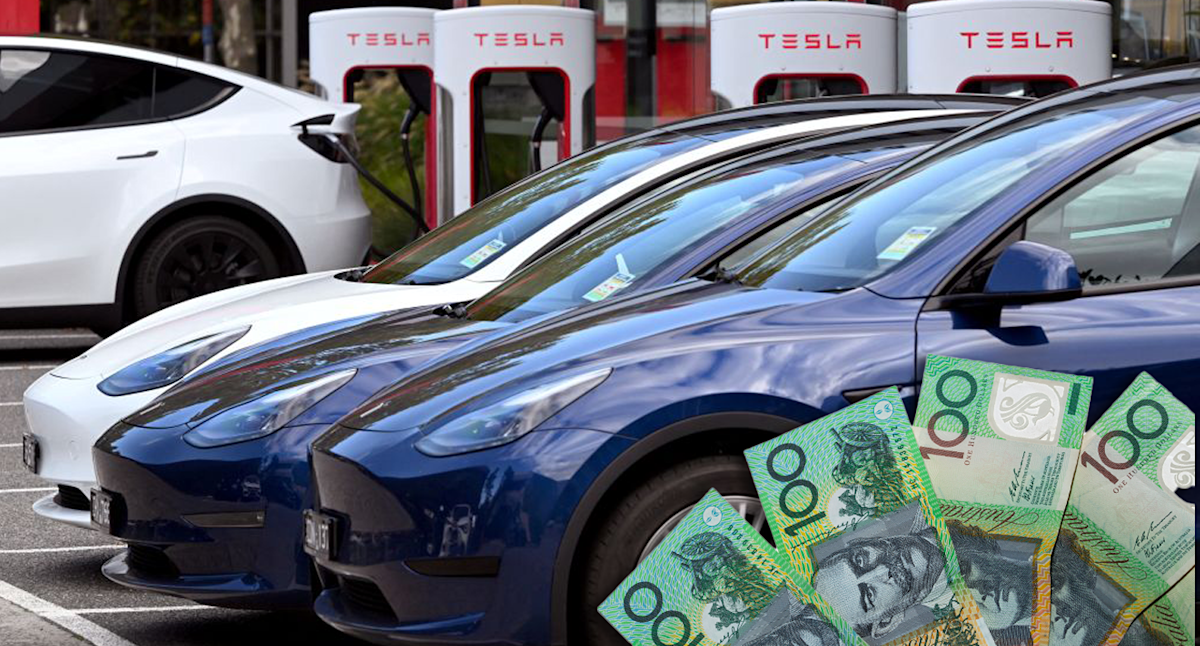
The Australian federal government is set to scale back its electric vehicle (EV) tax exemption scheme due to soaring budget costs. The full fringe benefits tax exemption available for EV buyers, initially aimed at promoting clean energy adoption, will gradually be reduced starting next year, a move expected to impact mainly higher-income earners who have benefitted from this policy.
Currently, EV buyers are exempt from paying fringe benefits tax on vehicles valued under $91,000 when purchased through a novated lease. However, from April 2027, this exemption will only apply to vehicles priced up to $75,000. Those above this price but below the luxury car tax threshold will receive only a 25% discount on the fringe benefits tax.
Despite these rolling changes, the government will maintain the existing tax exemption for EVs under $75,000 until April 2029. Energy Minister Chris Bowen referred to this adjustment as a “sensible change,” emphasizing that it allows Australians ample time to purchase vehicles while still benefiting from the existing scheme.
As the market has evolved, more affordable EV models have emerged, contributing to increased sales. Bowen noted that there are currently around ten EVs under the $40,000 mark, indicating a shift towards more accessible options for consumers. EVs accounted for 14.6% of new car sales in March, significantly up from 7.5% just a year prior, highlighting a rapid adoption rate driven partly by rising oil prices.
The government expects these changes to the EV subsidy scheme won’t adversely affect the growing uptake of electric vehicles in Australia. Notably, vehicles qualifying for the tax discount will continue to be free of import tariffs. However, the financial impact of the current tax breaks on the federal budget has been staggering, escalating from an initial estimate of $90 million to a projected $3 billion by the 2028-2029 fiscal year.
To mitigate costs, the government anticipates that refining the subsidy structure will save taxpayers approximately $1.7 billion over four years beginning from the 2026-2027 budget. Bowen indicated that this recalibration aims to encourage manufacturers to produce more models within the adjusted price bracket, fostering a more sustainable EV market.
In the backdrop of these financial shifts and policy adjustments, the incentive system has been scrutinised for being the most expensive of various governmental strategies aimed at reducing carbon emissions. As the transition towards greener vehicles continues, stakeholders and policy makers are tasked with carefully balancing fiscal responsibility and ecological objectives.