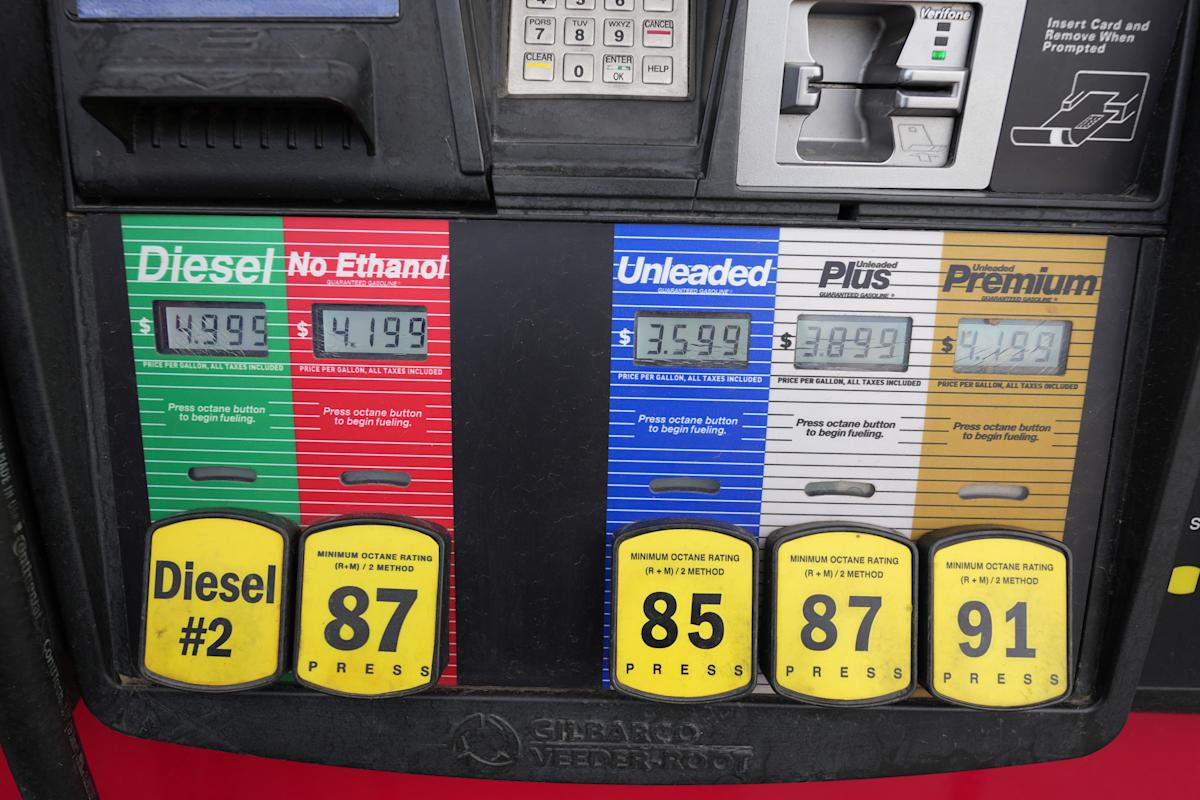
Gasoline prices are projected to rise significantly this week due to escalating oil prices, which have recently climbed close to $100 per barrel. According to AAA data, the national average price for gasoline stands at approximately $4.12 a gallon, marking an increase of around $0.53 compared to last month.
This expected hike in gasoline prices comes on the heels of President Trump’s announcement regarding a blockade of maritime traffic through the Strait of Hormuz, following a breakdown of discussions between the US and Iran. Patrick De Haan, head of petroleum analysis at GasBuddy, noted that gasoline prices are likely to see another increase, with diesel prices expected to follow in tandem, particularly until shipping through this critical route is reinstated.
On Monday, gasoline futures experienced a 3% increase, suggesting that wholesale prices for retailers are set to rise. Analysts from JPMorgan have warned that if maritime traffic through the strategically important Strait of Hormuz remains halted, averages could potentially climb to $5 per gallon across the country.
In his recent social media post, Trump stated that the United States Navy would begin a blockade of all vessels attempting to navigate in or out of the Strait of Hormuz. This area has historically been vital for oil transport, and disruptions here could have considerable implications not only for local economies but globally as well.
US crude oil benchmark West Texas Intermediate (WTI) has seen prices hover near the $100 mark, with Brent crude also trading close to that level. Some analysts suggest that the ongoing situation may lead to more pronounced pressures within the market, exacerbating already rising prices.
European and Asian refiners are reportedly competing fiercely for oil cargoes, driving physical Brent prices to unprecedented highs. Last Friday, dated Brent was valued at $126 per barrel, having reached a record of $144 earlier in the month. Notably, the typical price difference between the physical market and Brent futures contracts is usually $1-$2 per barrel; however, current figures show a significantly larger gap, indicating issues in sourcing barrels for immediate delivery.
In summary, the combination of geopolitical tensions, notably surrounding Iran, alongside aggressive competition among refiners, is poised to keep upward pressure on gasoline prices. As experts keep a close eye on developments in the Strait of Hormuz, consumers could face new challenges at the pumps in the near future.