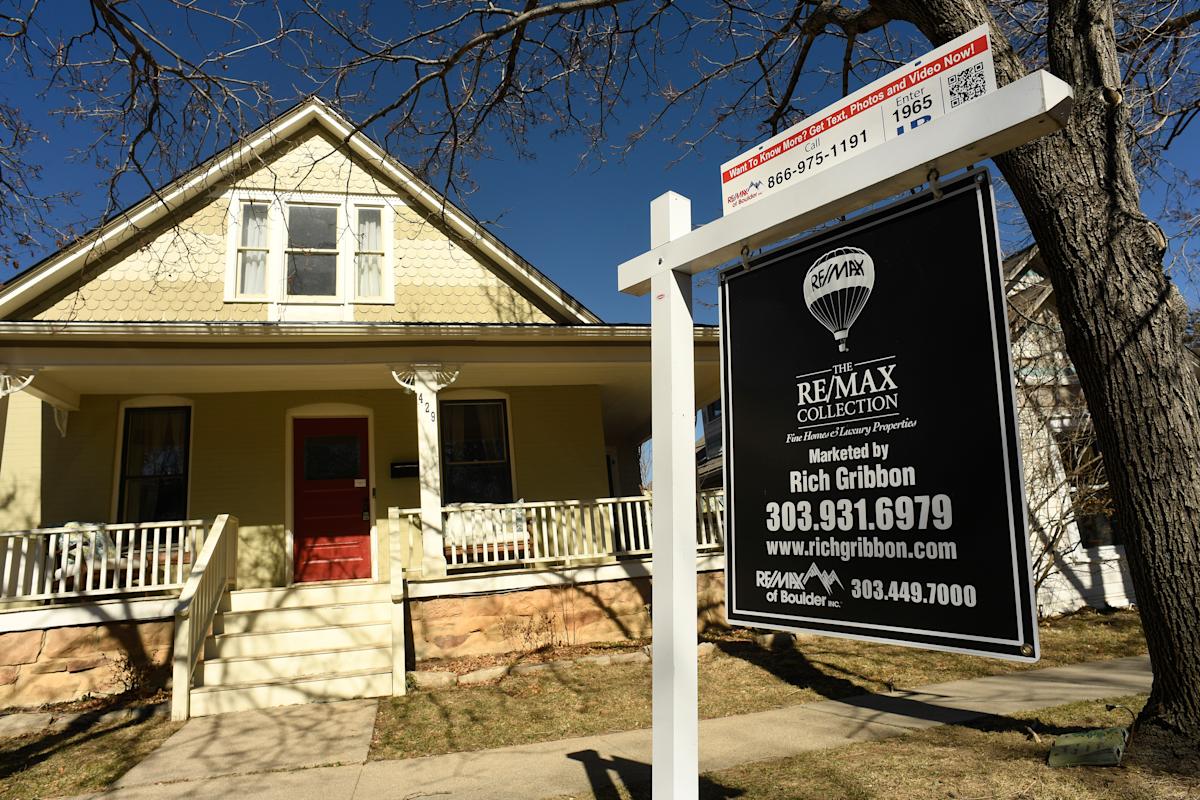
Home Price Growth Slows Amid High Mortgage Rates
Early in the year, home price growth has shown signs of slowing, providing a modicum of relief for homebuyers who are grappling with persistent mortgage rates exceeding 6% coupled with a scarcity of housing inventory.
According to data released on Tuesday, the S&P CoreLogic Case-Shiller 20-City Composite Home Price Index, which tracks home prices in 20 of America’s largest metropolitan areas, recorded a modest increase of 0.9% in February compared to the previous year. This marks a decline from the 1.19% increase noted in January. Meanwhile, the national index, which reflects home prices across the country, displayed an even smaller 0.67% year-on-year gain.
Nicholas Godec, head of fixed income tradables and commodities at S&P Dow Jones Indices, commented, "With consumer inflation at 2.4%, U.S. home values have lost ground in real terms for nine consecutive months." This trend indicates that the real value of homes has been decreasing, despite nominal increases.
Declining Home Prices in Several Regions
Significantly, home prices have faced annual declines in over half of the United States, suggesting a broader trend beyond the limited number of Sun Belt cities, which had previously maintained strong pricing power due to robust new construction activities.
In February, Denver emerged as the weakest market, with prices falling by 2.2%. Seattle witnessed a 2% decrease, while cities like Tampa, Dallas, and Phoenix recorded declines ranging from 1.7% to 2.1%. Historically robust markets are also feeling the pinch; home prices in Los Angeles have decreased by 0.8%, and Washington, D.C. saw a slight drop of 0.1%.
Godec noted that "the geographic mix has shifted meaningfully," indicating a significant change in regional housing dynamics.
Resilient Markets in the Northeast and Midwest
Despite the widespread decline, certain areas in the Northeast and Midwest continue to demonstrate strong market performance. For instance, Chicago has experienced a 5% increase in home prices over the past year, closely followed by New York, which rose by 4.7%, and Cleveland, seeing a 4.2% gain. These regions highlight a stark contrast to the downward trends observed in other markets.
Conclusion
Overall, the market shows distinct signs of instability and regional variability in home pricing. As buyers grapple with high mortgage rates and fluctuating home values, the coming months will be crucial in determining whether this slowdown marks a sustainable trend or a temporary adjustment within the housing sector. Homebuyers should stay informed about these developments and consider how they might affect their purchasing power in the months ahead.
For more insights on managing finances, including finding the best mortgage rates, subscribe to our newsletter.