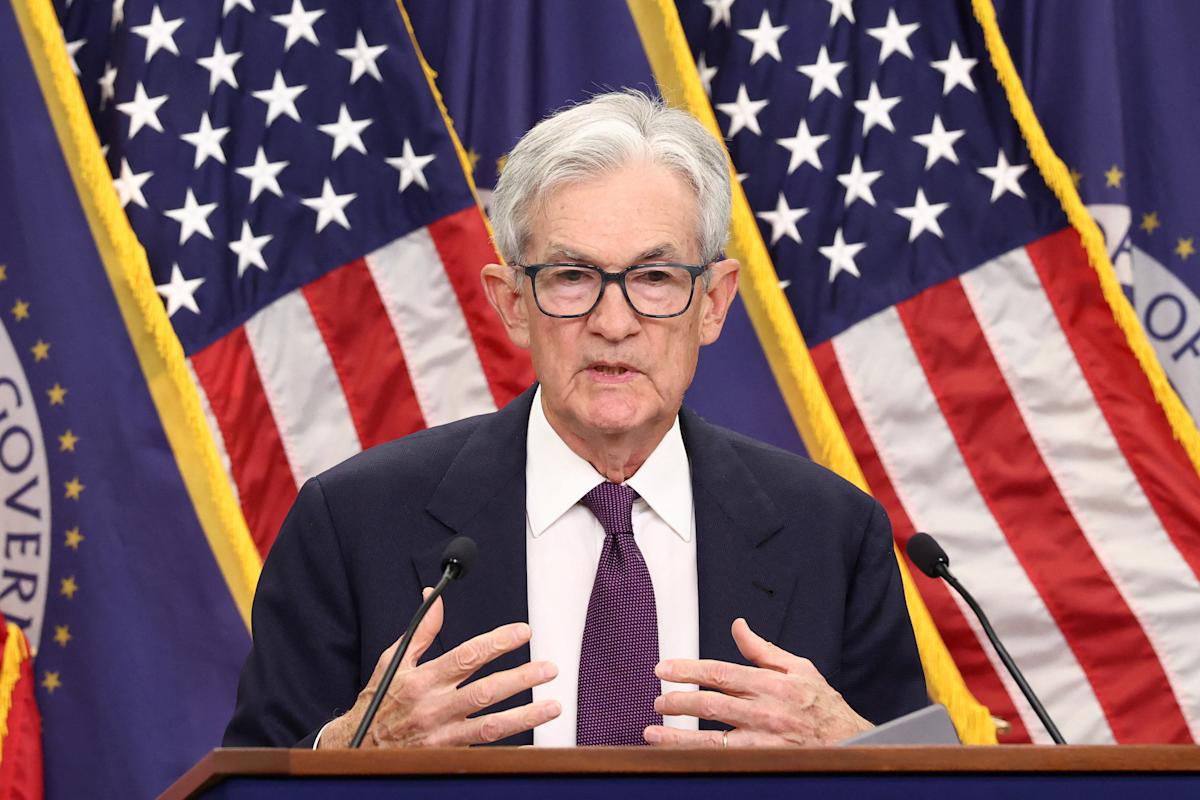
Jerome Powell Remains at the Federal Reserve Amid Political Turbulence
Federal Reserve Chair Jerome Powell has confirmed that he will continue to serve as a governor at the central bank following the end of his term as chair on May 15. This decision comes in light of ongoing legal challenges against the Federal Reserve which, Powell argues, pose significant risks to the institution’s autonomy in monetary policy.
Powell expressed concerns about the unprecedented nature of these legal actions, stating, “I worry that these attacks are battering the institution and jeopardising our core responsibility of conducting monetary policy free from political influence.” He affirmed his commitment to remaining in his role “for a period of time to be determined” but did not specify an exact timeline for his departure, emphasising he would leave when it feels appropriate.
Powell has led the Federal Reserve for eight years, appointed first by former President Donald Trump in 2018 and reappointed by President Joe Biden. His continued presence may contribute to a significant influence on U.S. monetary policy until at least 2028. The board of governors at the Federal Reserve serves staggered 14-year terms, while the chair serves for four years.
His decision deviates from tradition where previous chairs, such as Janet Yellen, Ben Bernanke, and Paul Volcker, resigned from all positions at the conclusion of their chairmanships.
This situation could escalate tensions with Trump, who has been vocally critical of Powell. Earlier this month, Trump suggested he may seek to dismiss Powell, saying, “I’ll have to fire him,” if Powell remained in his current role. However, White House Press Secretary Karoline Leavitt had offered a more conciliatory approach, suggesting that the president would be satisfied once his ally Kevin Warsh was confirmed as the new Fed chair.
Warsh’s nomination moved forward recently, but it does not involve taking Powell’s position as governor; instead, he is poised to fill a seat currently held by Trump associate Stephen Miran.
Challenges of Legal Investigations
A pressing concern for Powell is the ongoing criminal investigation surrounding his comments about renovations at the Federal Reserve’s headquarters. In light of this, he had previously stated that he would not leave the Board until the investigation concludes with “transparency and finality.” The status of this investigation remains contentious, especially among Democrats who believe the situation is far from resolved. US Attorney Jeanine Pirro indicated that while the criminal investigation is currently closed, she would not hesitate to reopen it if warranted.
Senator Elizabeth Warren has taken a strong stance against Trump regarding these issues, indicating that the former president continues to exert pressure and create threats of criminal charges against Powell, hindering the stability of the Federal Reserve.
Historical Context
Looking back at the history of the Federal Reserve, Powell’s decision to remain as governor is a notable departure from the practice of previous chairs. Notably, Powell follows in the footsteps of figures like Arthur Burns and Marriner Eccles, who continued to serve on the board even after their chairmanships, albeit for limited durations.
As this situation unfolds, the broader implications for U.S. monetary policy and the Federal Reserve’s independence remain crucial, highlighting the intersection of finance, politics, and institutional integrity.
Powell’s commitment to the Fed suggests a focus on maintaining effective policy-making amid difficult political dynamics. The evolving fiscal environment will likely continue to reflect the challenges faced by the central bank in the near future.