Table of Contents
Lotus Shifts Gears: New Strategy Embraces Hybrid Technology Amid Changing Market Dynamics
Lotus, a British automaker synonymous with performance sports cars since its inception in 1952, has restructured its strategic direction, moving away from a fully electric future to a more diversified “mixed powertrain lineup.” Embracing hybrid models alongside electric vehicles (EVs), the transition comes under the initiative dubbed Focus 2030. This pivot follows the recent announcement that Geely, the Chinese parent company of Lotus, successfully exported 18 Lotus Eletre electric SUVs to Canada, marking a significant milestone as the first automaker to ship China-manufactured EVs to the Canadian market under a new trade agreement.
Background and New Direction
Historically, Lotus has worked diligently to build an all-electric portfolio over the past four years, unveiling vehicles like the Eletre SUV, the Emeya GT sedan, and the premium Evija hypercar priced over $2 million. However, fluctuating demand for high-priced EVs prompted a reconsideration of their strategy.
As part of Focus 2030, Lotus aims to maintain its current vehicle offerings while adding hybrid powertrains and introducing new models. The objective is to establish a 60-40 sales split in favour of plug-in hybrids compared to fully electric models.
In his remarks, CFO Daxue Wang explained that this strategic shift reflects market demand trends. He affirmed a commitment to a fully electric future at some point, though he did not provide a specific timeline.
Innovative Hybrid Technology
An integral component of the new strategy is Lotus’s proprietary hybrid technology, known as X-Hybrid, which debuted with the Eletre X, marketed in China as the ForMe. This vehicle boasts a powerful 952 horsepower and impressive range capabilities, achieving up to 217 miles on electric power alone, while the total range exceeds 745 miles. Following its release, over 1,000 preorders were recorded in just the first month, with European deliveries set for late 2026.
Wang described the hybrid as a groundbreaking market proposition, combining a large battery with an efficient internal combustion engine. This integration is said to merge the company’s legacy of performance engineering with contemporary hybrid efficiency, promising improved range and versatility.
Upcoming Launches and Financial Goals
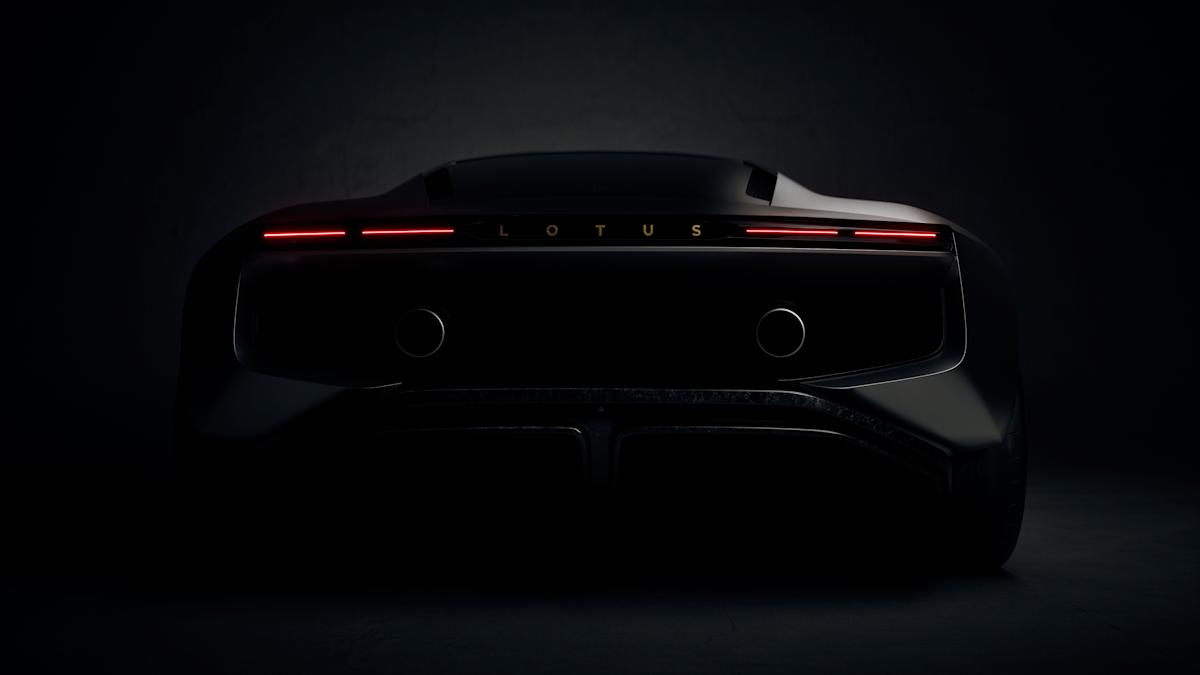
The highlight of Lotus’s future product offerings includes the Type 135, a hybrid V8 supercar producing anticipated power outputs exceeding 1,000 horsepower, with its launch planned for 2028. Further details regarding pricing and market availability are forthcoming.
On the financial front, the Focus 2030 strategy targets reaching 30,000 annual sales, a figure that is vital for achieving sustained profitability—a target Lotus has yet to meet. Additionally, the company has confirmed plans to merge its UK and Chinese operations into a unified corporate structure, aiming for operational efficiencies and reduced costs.
Strategic Trade Moves
While the initial shipment of 18 Eletres may seem minuscule, it represents a strategic foothold in the Canadian market, facilitated by a new trade agreement. Under this arrangement, Canadian Prime Minister Mark Carney’s January agreement allowed for 49,000 Chinese-built EVs annually at a 6.1% tariff rate, a welcome relaxation following previous obstacles. The entry into Canada is bolstered by Lotus’s established dealer network and market certifications obtained in 2024.
Lotus is optimistic about leveraging this first-mover advantage to grow sales in Canada, where EV adoption remains strong. Moreover, the potential for future trade discussions, particularly with the U.S., could further enhance the attractiveness of their offerings in North America.
Maintaining Internal Combustion Vehicles
Despite pivoting towards hybrid and electric technologies, Lotus asserts the continuity of its combustion engine offerings. The Emira, their mid-engine combustion sports car, remains in production, with an updated version poised to launch shortly, featuring enhancements that make it lighter and more powerful.
In summary, Lotus is actively adapting to the automotive industry’s rapidly evolving landscape, balancing ambitious electrification goals with immediate market realities. The Focus 2030 initiative underscores their commitment to hybrid technology while maintaining a foothold in traditional sports cars, preparing for both current demand and future market shifts.
As the brand embraces this change, industry observers will be keen to monitor its success in carving out a sustainable path forward within the competitive automotive sector.