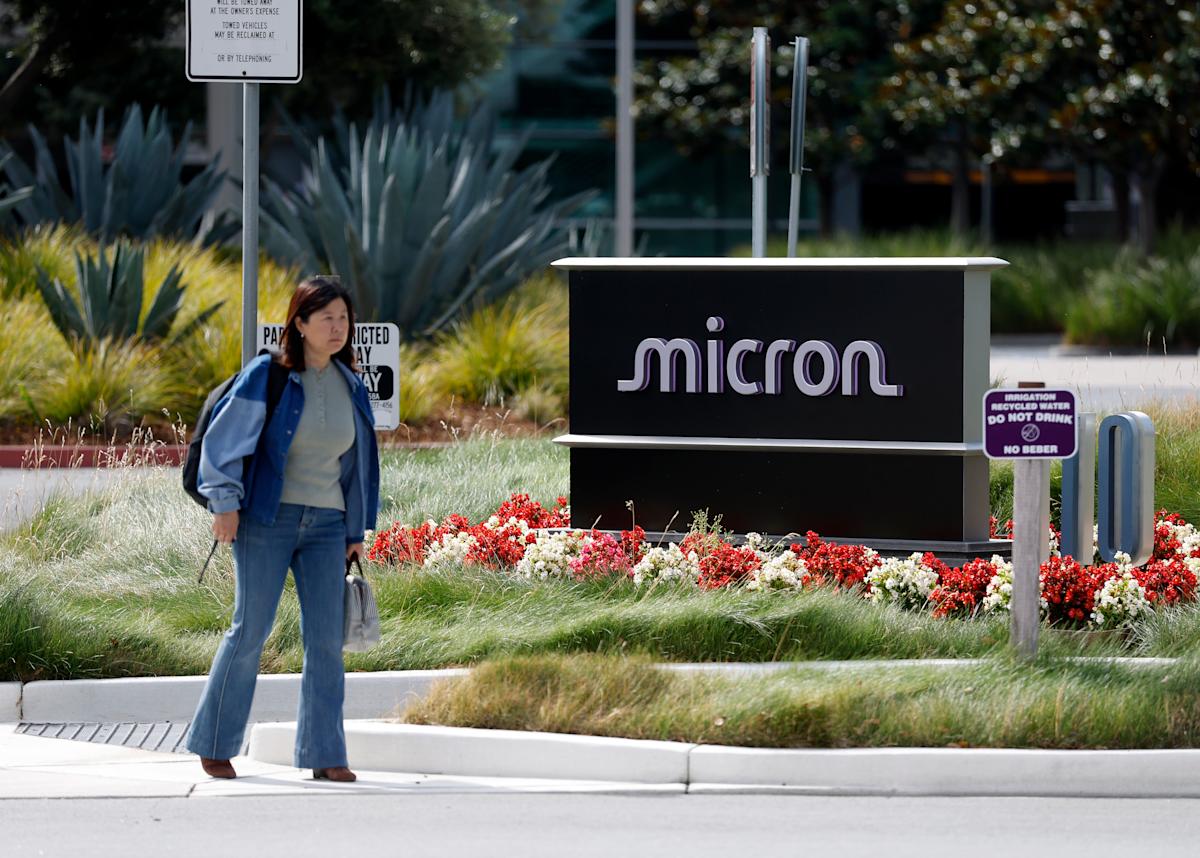
Micron Technology Inc. (MU) faced a downturn on Wednesday, with its shares dropping 4% during afternoon trading as investors decided to cash in on profits. However, this minor setback did not significantly impact the stock’s robust performance over the month.
Since early April, Micron’s shares have surged by 40%, driven by a burgeoning optimism surrounding demand for memory chips, particularly amidst the ongoing artificial intelligence (AI) spending surge. The heightened demand stems from a shortage of critical memory chips, essential for data centres, which has boosted prices. Consequently, leading memory chip manufacturers such as Micron, SK Hynix, and Samsung have shifted their focus towards higher-margin chips instead of those used in consumer devices like laptops.
Analysts predict that these memory chip shortages, especially for Dynamic Random-Access Memory (DRAM), are likely to continue until 2028, bolstering chip prices and positively affecting the market valuations of major players—evidenced by the approximate 75% rise in stock prices for SK Hynix and Samsung since the year’s beginning.
Despite this growth, Micron and its counterparts are also navigating concerns regarding potential AI advancements that could decrease the future demand for memory products, alongside scrutiny over whether Micron can maintain its rapid growth trajectory. While Micron’s stock has climbed 50% year-to-date, the prices experienced a noticeable drop following a significant post-earnings correction in March.
BofA Global Research analyst Vivek Arya indicated that Micron’s guidance for a fiscal Q3 gross margin of 81% might be nearing its peak, with expectations for this to eventually stabilise at historical levels between 60-70%—levels observed before the rise of AI-related demand.
Nevertheless, some analysts maintain a positive outlook for Micron’s stock. UBS analysts recently expressed their belief that despite a current negative sentiment regarding the memory market following Micron’s margin guidance, we may be in a “super-cycle” that deviates from historical analytical patterns. They highlighted the memory companies’ strategic move to trade short-term profits for longer-term stability, reinforcing their confidence in this ongoing upcycle in the memory chip market.
In summary, while Micron faces some challenges and short-term fluctuations, many analysts remain hopeful that the strong demand for memory chips—sparked by the AI boom—will sustain growth, leading to a resilient long-term performance in the memory sector.