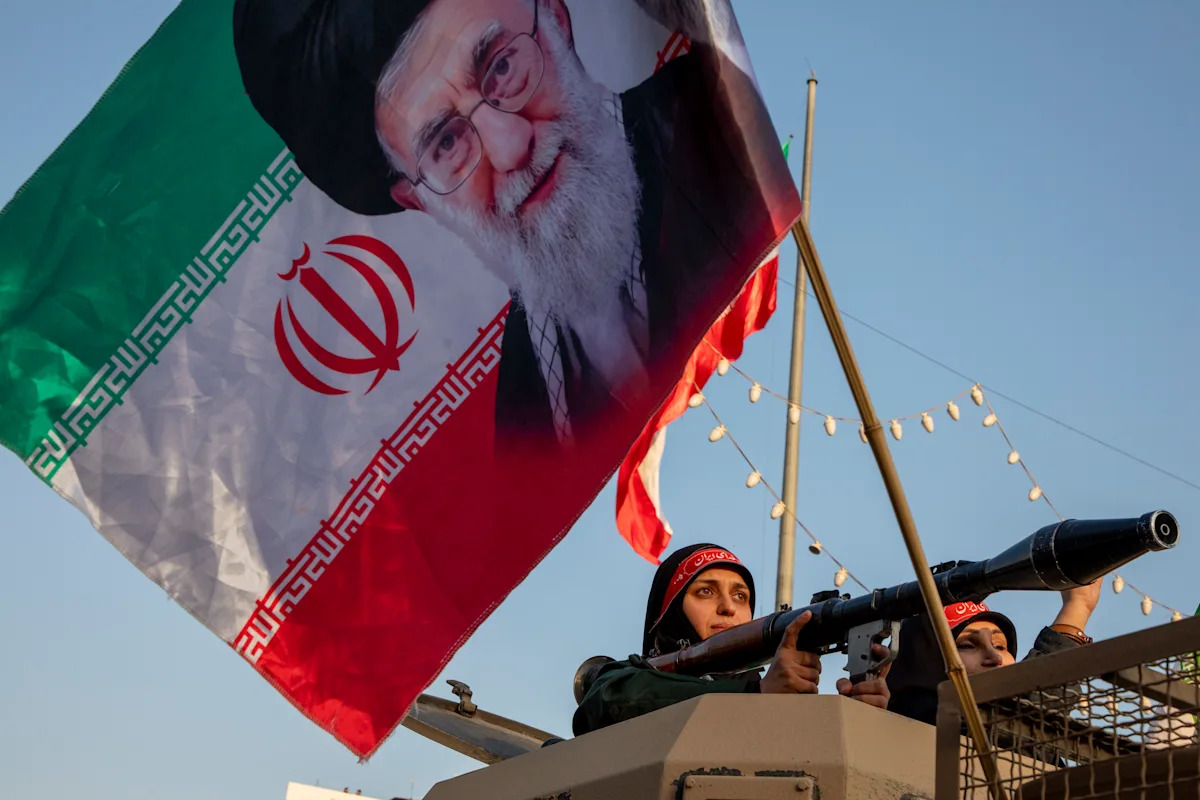
Oil Prices Surge Amid Geopolitical Tensions in the Middle East
Oil prices experienced a significant spike on Monday following a tumultuous weekend dominated by news from the Middle East. The US Navy’s capture of an Iranian-flagged cargo ship and uncertainty surrounding potential peace negotiations resulted in bullish sentiment across the oil market.
Brent crude futures, the global benchmark, soared over 5% to trade above $95 per barrel during Monday morning sessions, although they later trimmed some gains. Meanwhile, West Texas Intermediate (WTI) crude futures rose a robust 6%, reaching approximately $87.60 per barrel.
This upward trend comes on the heels of Friday’s volatility, when Iranian Foreign Minister Abbas Araghchi declared that the Strait of Hormuz, a crucial conduit for global energy shipments, was “completely open” for commercial traffic. However, this optimism was swiftly countered by remarks from Iran’s Revolutionary Guard Corps, which insisted that the strait was under their control, particularly in light of the US Navy’s blockades. This back-and-forth created confusion and led to a decrease in vessel traffic.
Analyst Lloyd Byrne from Jefferies highlighted that the situation in the Strait may become a new normal, characterised by intermittent closures and ongoing uncertainties regarding oil transportation. Currently, vessel movement in the strait has nearly ground to a halt, with maritime data indicating a drop in traffic by as much as 90% compared to preconflict levels.
In a brief peak of activity, 23 vessels crossed from the Persian Gulf into the Arabian Sea between Friday and Saturday. However, only two vessels successfully navigated the strait since midnight Sunday, underscoring the increasingly perilous situation for commercial shipping.
This latest turmoil contrasts sharply with earlier reports that had indicated a potential thaw in relations, including President Trump’s claims that Iran had agreed to suspend its nuclear enrichment activities and that both nations would engage in further negotiations. Following his comments, both Brent and WTI crude future prices fell by approximately 10% as equity markets reacted positively to the prospect of stabilisation.
However, this optimism dissipated rapidly as President Trump reiterated threats to escalate military actions should Iran not comply with US demands. He warned that failure to reach an agreement would result in the US targeting key infrastructure within Iran.
Iran, in response, has declared specific maritime routes as part of a “conflict zone”, suggesting that military actions could extend to broader regions affecting oil shipments. The implications of these developments are profound for global oil markets, particularly given the pivotal role of the Strait of Hormuz, through which about 7 million barrels of oil transit on a daily basis.
The ceasefire between Iran and the US is set to expire soon, and with confirmations still pending on further diplomatic engagement, market participants remain on edge. Uncertainty surrounding the Strait’s accessibility continues to fuel volatility in oil markets, highlighting the significant impact of geopolitical events on global energy supplies.
As tensions rise and circumstances evolve, oil prices will likely remain a focal point for investors, industry players, and geopolitical analysts. The unfolding situation serves as a stark reminder of the intricate relationship between international relations and oil market stability.