Table of Contents
Analyzing the Disconnect Between Wall Street and Main Street Amid Economic Strains
A significant disparity has emerged between Wall Street and Main Street’s perceptions of the US economy, as highlighted by Creative Planning’s Chief Markets Strategist, Charlie Bilello. The S&P 500 index recently hit a record high, yet consumer sentiment has plunged to unprecedented lows. This stark contrast exemplifies the current economic landscape.
Consumer Sentiment Hits Historic Low
The University of Michigan’s Consumer Sentiment Index recorded a startling drop to 47.6 this month, marking an 11% decrease since March. This figure represents the lowest level in the index’s 74-year history, even lower than during the 2008 financial crisis and the inflation shocks of the 1980s. The decline spans all demographics, reflecting widespread discontent among consumers across various age groups, income brackets, and political affiliations.
A significant factor contributing to this negative sentiment is the surge in gas prices linked to the ongoing conflict in Iran. A recent report noted an upward shift in inflation expectations over the next year, rising to 4.8%—the most considerable month-over-month increase in a year. Consumer comments in the report generally attributed the declining economic mood to the effects of the Iran situation.
Wall Street’s Optimism
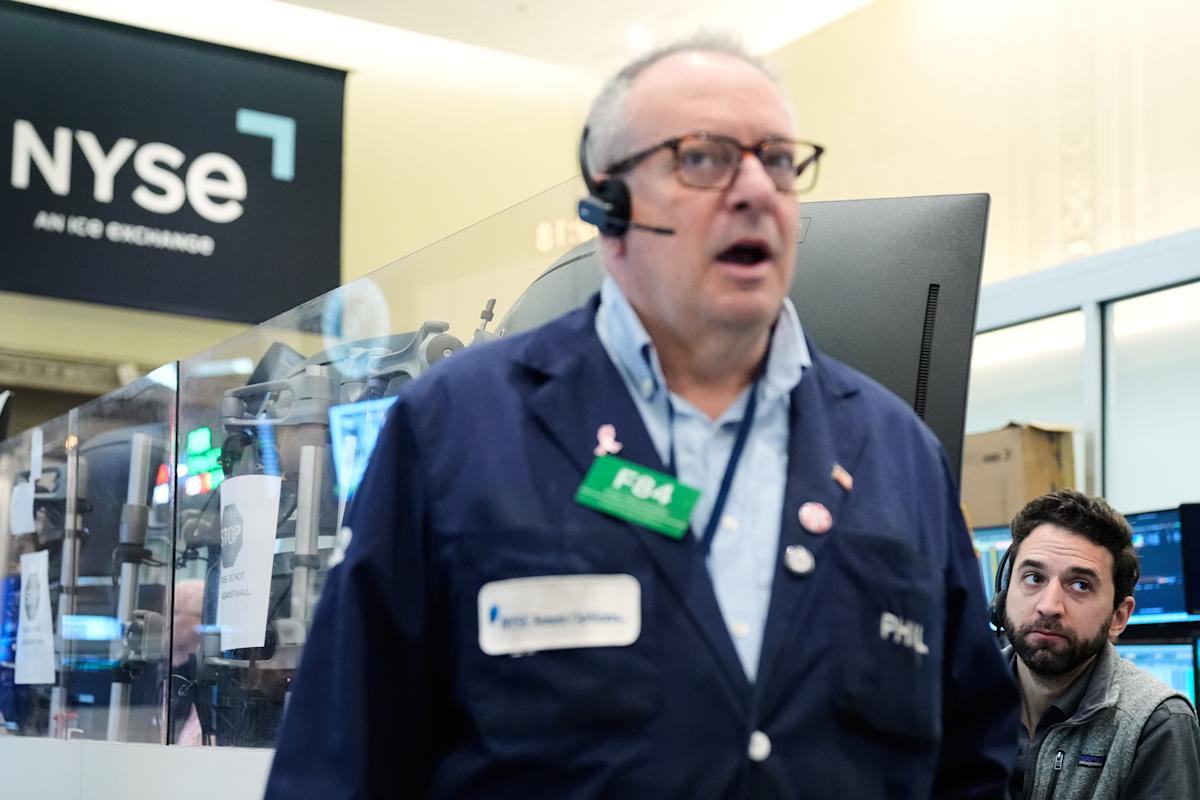
While everyday consumers grapple with escalating food and transport costs, Wall Street analysts maintain a more optimistic outlook. The S&P 500 reached above 7,000, buoyed by the belief that the worst of the Iran conflict has passed and that normalcy will soon return for businesses, leading to a decrease in prices in the near future.
JPMorgan’s strategist, Mislav Matejka, has expressed skepticism towards bearish market sentiments, which often predict stagnation and reduced liquidity. He asserts that investors should not give in to pessimism, indicating that past market weaknesses have presented buying opportunities. He further posited that many investors are poised to re-enter the market, thereby supporting recovery trends.
A Concerning Economic Dichotomy
This divide poses a significant question about the future direction of the economy. As Wall Street anticipates a rebound, many consumers continue to feel the weight of rising costs. The situation exemplifies a broader trend of misalignment between market performance and the lived experiences of average Americans, underscoring the challenges of navigating a complex economic reality.
The contrasting outlooks highlight the importance of understanding consumer sentiment and its implications for economic recovery. As Wall Street cheers new market highs, Main Street remains entrenched in the struggle against financial pressures, reinforcing the need for policies that bridge these divergent experiences.
Conclusion
The ongoing disparity between Wall Street’s buoyant stock market performance and the grim reality for consumers speaks volumes about the current economic climate. With inflationary pressures linked to geopolitical tensions and a notable decline in consumer confidence, addressing this divide remains crucial for fostering a more inclusive recovery. As we move forward, it will be essential for both market analysts and policymakers to acknowledge and rectify the contrasting narratives shaping the economic discourse.
In summary, while markets may rally, it is vital to consider the sentiments of consumers, as their experiences ultimately determine the economy’s health.