Record-Breaking Revenue in Pokémon Trading Card Game Marketplaces
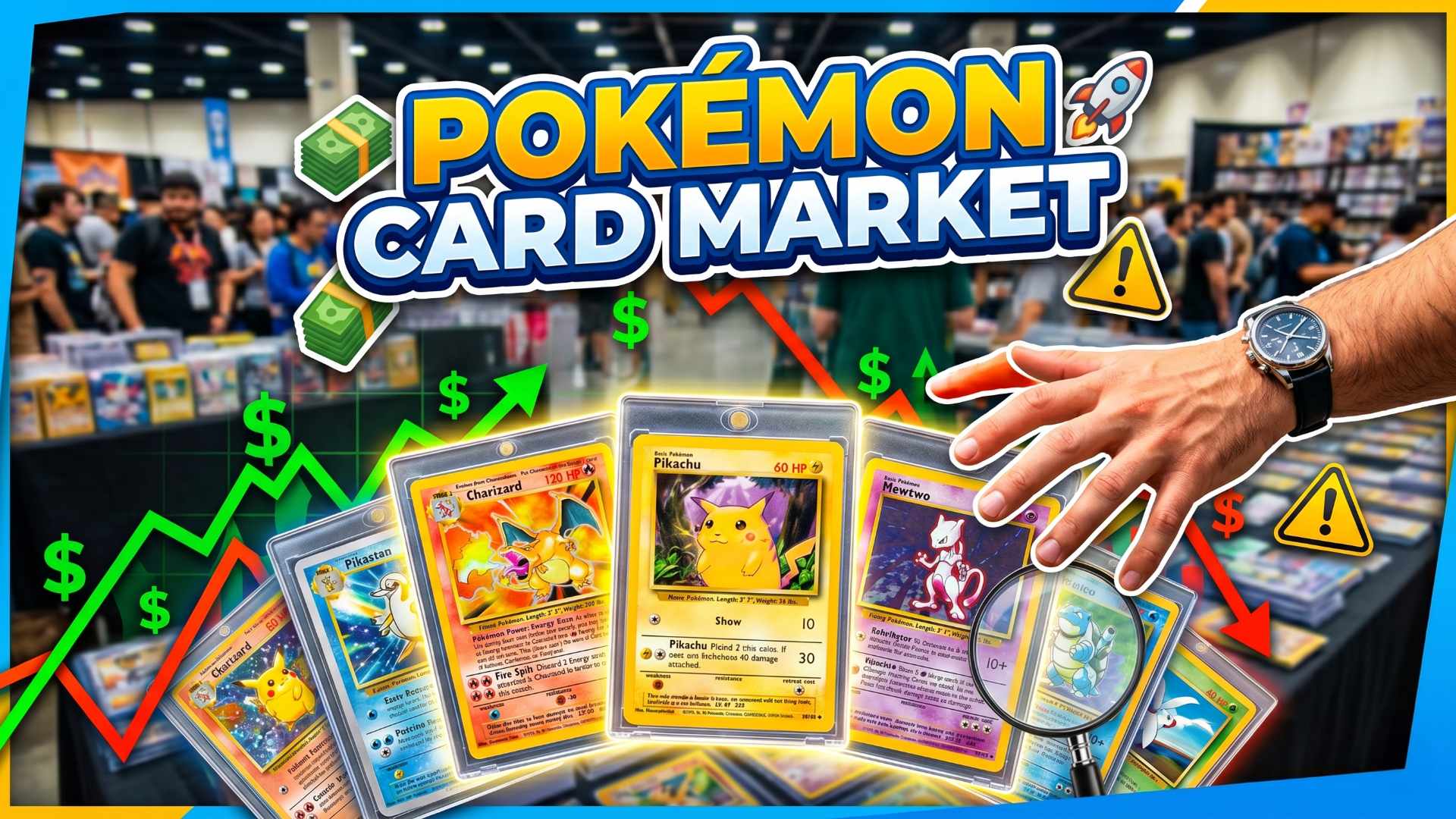
The Pokémon Trading Card Game (TCG) has demonstrated impressive growth recently, with marketplaces amassing around US$5.38 million (approximately AU$7.53 million) in revenue for the week ending April 6. This surge is indicative of a broader trend as tokenised collectibles increasingly transition from speculative trading of NFTs to practical utility associated with real-world assets.
Significant Activity Driven by Courtyard
Much of this revenue influx can be attributed to Courtyard, a platform that connects NFTs with vaulted, redeemable physical cards. The ongoing momentum suggests an annualised revenue run rate nearing US$200 million (AU$280 million), signalling a vibrant marketplace dynamic. This is the sixth consecutive week of heightened revenue, nearing historical highs in the sector.
In 2026 projections, Pokémon TCG marketplaces are set to exceed US$1 billion (AU$1.4 billion) in annualised trading volume. Notably, Courtyard is responsible for over half this trading activity, while Collector Crypt contributes roughly one-third.
A Shift in the NFT Marketplace
The evolving NFT landscape marks a departure from previous cycles. Courtyard’s model uniquely connects each token to a specific physical trading card stored in custody, providing users with a digitally liquid representation of a redeemable asset. This innovative approach not only enhances the user experience but also deepens market engagement.
Understanding Courtyard’s Offerings
Courtyard enables users to digitise and vault graded Pokémon cards, ensuring secure storage and insurance in a US-based facility. The platform supports global trading and allows for 24/7 redemption of the physical cards. Its Proof of Integrity (PoI) system links each token ID to a unique physical item held at Courtyard, exemplifying a commitment to transparency and security.
Typically, the authentication process for cards takes between one to two weeks before they are rendered in 3D and visible in the user’s digital collection. A recent partnership with Brink’s enhances the security of card storage, as illustrated by their initial drop of 1,000 graded Pokémon cards secured in specialised facilities.
This custody aspect is crucial for the current surge in interest, distinguishing it from previous NFT booms focused solely on digital art or profile pictures.
In conclusion, as the Pokémon TCG marketplace continues to thrive, driven by innovative platforms like Courtyard, the space is evolving from mere collectible speculation to a robust asset utility framework, setting the stage for long-term growth and sustainability in the NFT sector.