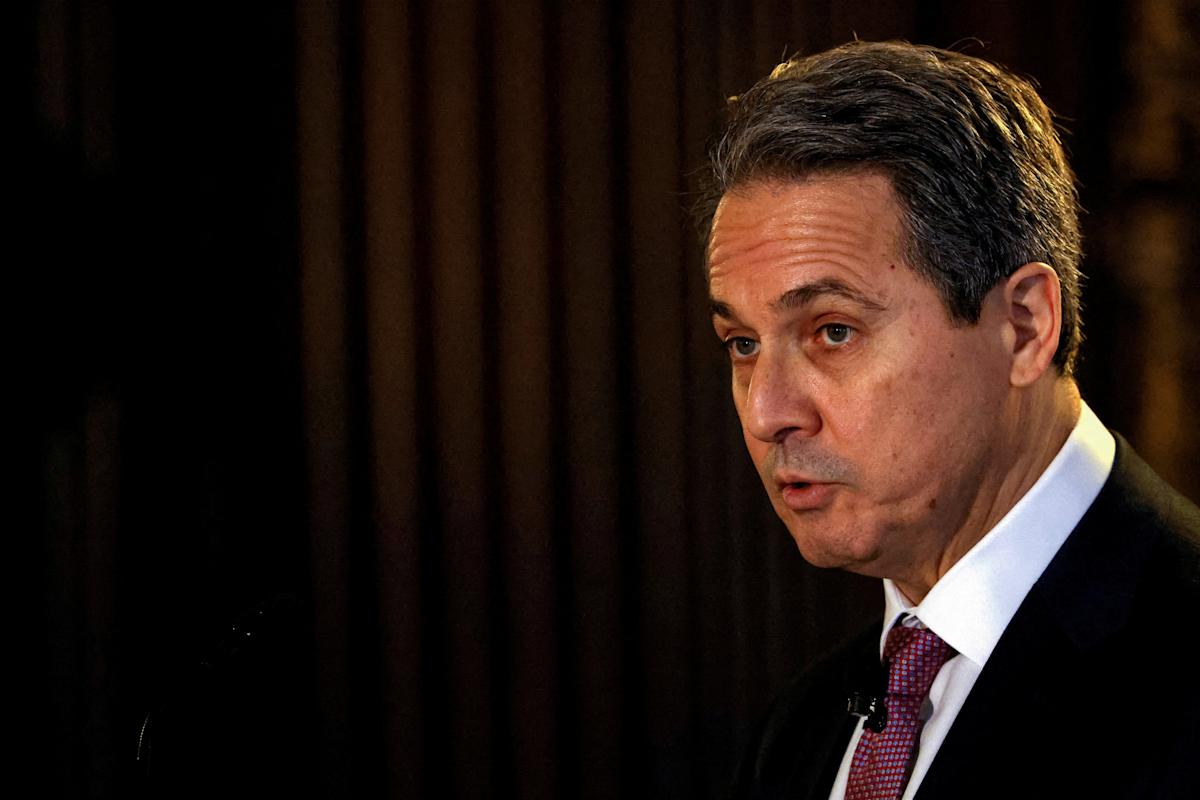
Alberto Musalem, the President of the St. Louis Federal Reserve, expressed significant concerns about inflation overtaking job market issues during his address at the Mississippi Bankers Association’s Annual Convention in Alabama. He stated that inflation has become a primary worry for policymakers, marking a shift in focus from employment concerns.
Musalem indicated that there are credible scenarios in which the Fed might need to maintain interest rates at their current levels for an extended period. “The risks have shifted more towards inflation than employment,” he articulated, highlighting the ongoing uncertainties that may affect future economic decisions.
In recent remarks, Musalem acknowledged the unpredictable nature of the economic landscape, stating there are also scenarios that could see the Fed raising or cutting interest rates. Currently, inflation measures are running significantly above the Federal Reserve’s target of 2%. Contributing factors to this trend include surging energy prices due to geopolitical tensions within the Middle East, as well as tariffs and persistent inflation that necessitate close attention from monetary policymakers.
The latest Personal Consumption Expenditures (PCE) index data revealed a rise of 3.5% in March, an increase from 2.8% in February before the escalation of conflict. On a core basis, which excludes the impact of volatile sectors like food and energy, inflation also showed an uptick to 3.2%, rising from 3% the previous month. This persistence in inflation levels is alarming, standing more than a percentage point above the Fed’s targeted rate.
Despite viewing the labour market as stable, Musalem noted anecdotal evidence from business leaders suggests that hiring is being stifled by economic uncertainty. A CEO from a prominent industrial manufacturing firm shared concerns that the unpredictable economic environment is preventing him from increasing his workforce. He remarked, “The best worker to fire is the one that I haven’t hired,” indicating how economic apprehensions impact hiring decisions.
Musalem also acknowledged economic tailwinds like fiscal policy initiatives, reduced regulatory constraints, three interest rate cuts by the Fed, a booming stock market, and an upswing in demand driven by advancements in artificial intelligence. He posited that these factors seem to hold more weight than current headwinds, which primarily include tariffs and increased energy costs.
Overall, Musalem’s statements reflect a broader recognition of inflation’s tangible threat to economic stability and signal potential challenges for the Federal Reserve’s policy formulation moving forward. The economic landscape ahead requires careful monitoring to navigate these continuously evolving risks.
For continued updates and insights, connect with financial journalist Jennifer Schonberger, who covers a range of topics related to the economy, markets, and regulatory developments.