Economic Struggles Facing Small Business Owners in Australia
A prevalent business saying asserts that to earn money, you often need to invest it. Currently, John Berl, the proprietor of Uncle John’s BBQ Stand in Claymont, Delaware, exemplifies this situation as he grapples with rising operational costs. Recently, Berl filled his food truck with $120 of fuel for a beachside car show, promising access to a hungry crowd. Unfortunately, the anticipated customers didn’t materialise, potentially due to rising consumer prices, which have surged by 3.8% since last year. As a result, Berl’s business operation ended up incurring significant losses.
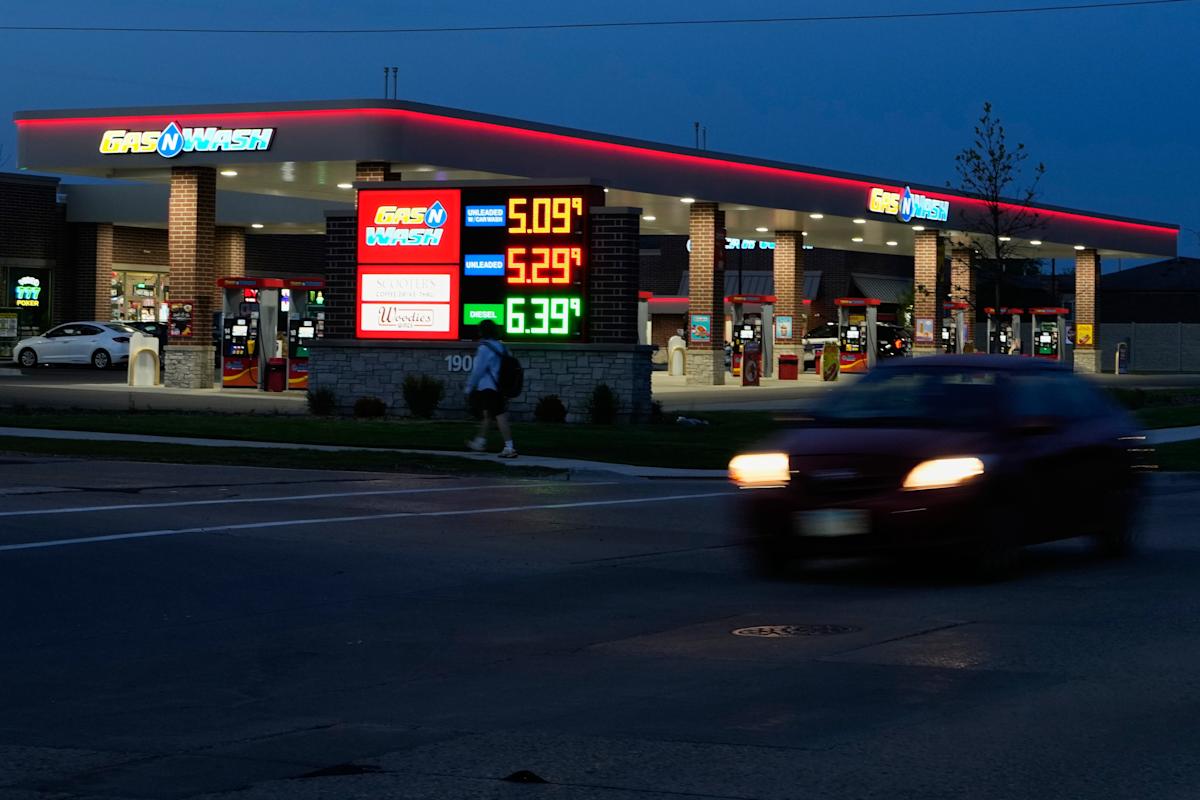
Berl noted, “The gas prices are affecting everything… Just to get to an event used to cost me $20, now it costs me $45.” This substantial hike in expenses has left him struggling, revealing that he hasn’t received a paycheck since the previous September. The grim reality of running a business with limited revenue has led him to conclude, “It’s hard work to make nothing.”
This personal struggle reflects broader economic concerns. According to research from the Bank of America Institute, small business profitability fell by 1.3% in April compared to the previous year, marking the lowest figure in two years. Simultaneously, small businesses have seen gasoline expenditure rise by almost 31%, exacerbating the financial strain.
The National Federation of Independent Business (NFIB) reported that the small business optimism index remained below its 52-year average for two consecutive months. Many small business operators highlighted increasing operational costs, hesitant consumers, and the persistent challenge of recruiting qualified staff. An unnamed service industry operator conveyed cautious consumer behaviour due to economic uncertainty, articulating, “I believe people are nervous to spend money because of the economy and are unsure of what will happen in the upcoming months.”
This general uncertainty, coupled with labour shortages, is causing payroll reductions across various small enterprises. Despite some growth in hiring within sectors like agriculture, retail, health, and transportation, overall payroll expansion has notably decreased for small businesses in 2023 compared to 2025 figures.
The pressure on margins stemming from high costs might further restrain hiring practices. For instance, Berl anticipates bringing on fewer staff than he typically would ahead of the busy season, underscoring the impact of increased operational costs.
Similarly, Jennifer Ybarra, a costume artist from Morgantown, West Virginia, faces her own set of challenges. A seller on Etsy for 15 years, Ybarra notes that the prices for materials required to create her handcrafted items, such as neck ruffles and hats, have escalated. Additionally, the increased fuel prices for collecting supplies further complicate her situation.
Ybarra is also grappling with rising shipping costs, which compel her to navigate competition from lower-priced alternatives like Temu and Shein. While Etsy encourages sellers to offer free shipping for orders over $35 to improve visibility, Ybarra fears that incorporating higher shipping rates into her prices may drive off potential customers. “I was in a nice sweet spot when it came to being competitive but also having quality,” she explained. However, this advantageous position is fading as prices rise.
With a decline in sales and an uptick in customer inquiries about discounts and shipping, Ybarra is leveraging support from international buyers to stay afloat while concurrently working a second job to make ends meet. “I’ve had some really good years in the past. This is a really rough one,” she lamented, indicative of the challenging terrain many small business owners are currently navigating.
In conclusion, small business owners like Berl and Ybarra are confronting an array of economic challenges characterised by rising costs, hesitant consumers, and fluctuating supply chains. The resilience of such businesses, which account for nearly half of employment in the U.S., is crucial to the overall economic landscape, making their plight one that merits continued attention.