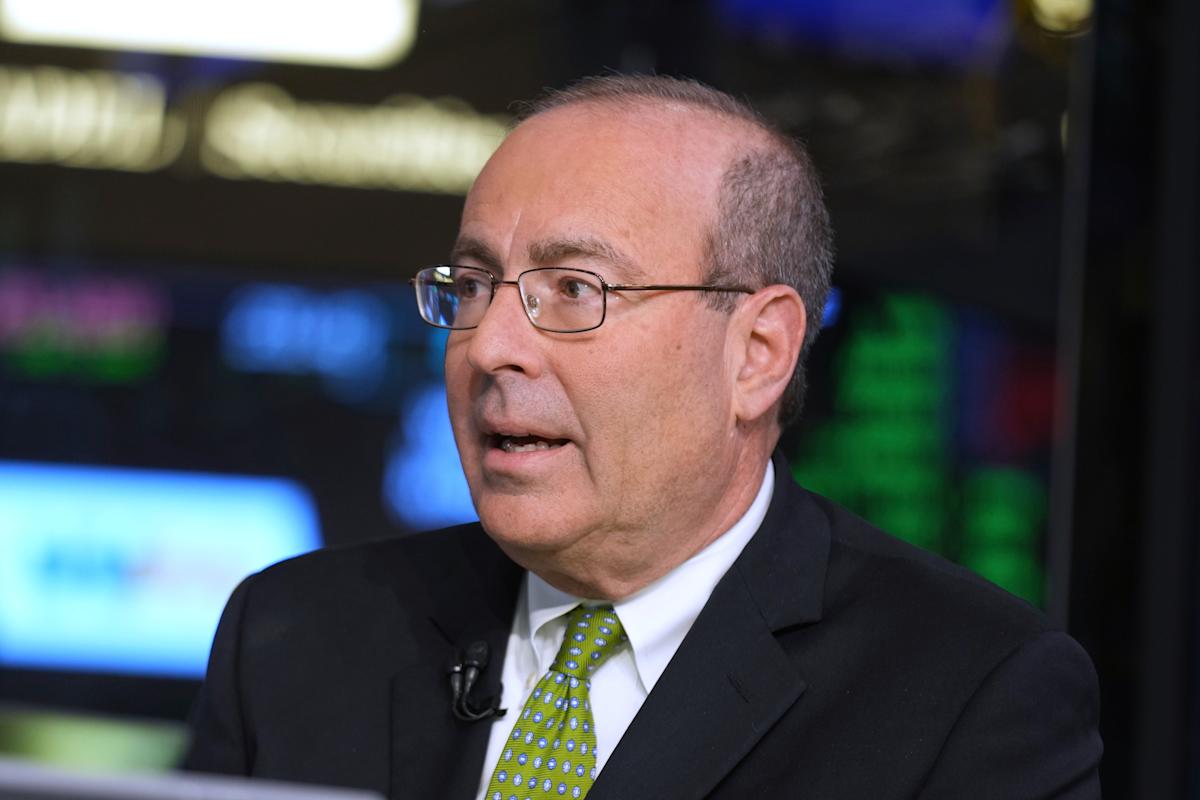
Richmond Fed President Tom Barkin on Interest Rates and Inflation
In a recent speech delivered in North Carolina, Tom Barkin, the President of the Richmond Federal Reserve, highlighted the complexities surrounding interest rates and their influence on current inflationary trends. Barkin posited that raising interest rates might not be the appropriate course of action at this juncture, particularly regarding the recent spike in oil prices due to geopolitical tensions in Iran, which have led to disruptions in global supply chains by effectively shutting down the vital Strait of Hormuz.
Barkin argued that increasing interest rates with the intention of dampening demand does not address the underlying issues driving inflation related to supply shocks. He illustrated this point by likening it to trying to mitigate an egg shortage caused by avian flu by reducing economic demand—an approach that would not resolve the core problem.
The prevailing theory among central banks suggests that short-term supply shocks, like those caused by soaring energy prices, typically result in temporary price hikes rather than sustained inflation. This understanding is crucial because it maintains the assumption that spikes in prices might not lead to long-lasting economic impacts.
Barkin underlined the importance of inflation expectations remaining stable. When businesses and consumers anticipate stable future inflation, they are less likely to react to temporary increases in prices, which can inadvertently shape wage negotiations and price setting. He firmly stated that while short-term inflationary pressures might intimidate, they do not necessarily signal a long-term shift in inflation.
However, Barkin expressed concerns about the potential for more frequent supply shocks, referencing the recent oil crisis as just one of several disruptions, which also include tariffs and the consequences of the pandemic and geopolitical conflicts like Russia’s invasion of Ukraine. He posed the critical question: if such shocks occur regularly, can the Fed afford to simply weather each storm as it comes?
He noted the necessity of observing responses from businesses regarding workforce adjustments and how consumer spending might be affected as real wages, after accounting for inflation, show signs of stagnation, particularly as stimulus measures like tax refunds diminish. Barkin warned that the rising oil prices could very likely lead to increased unemployment and inflation, but assured that the Fed stands ready to respond suitably if such developments materialise.
These comments come on the heels of the Federal Reserve’s recent policy meeting, where discussions indicated a tendency among officials to maintain interest rates for an extended period. Some members expressed the possibility of decreasing rates if clear indicators show that inflation stabilises or if notable weakness in the job market occurs. Barkin’s remarks suggest he aligns with this perspective, highlighting a cautious yet responsive approach to the current economic climate.
In conclusion, Barkin’s insights stress the significance of distinguishing between transient and enduring inflation influences and the potential challenges posed by recurring supply shocks in formulating monetary policy.