Trump’s Strategy of Economic Pressure on Iran: An Analysis
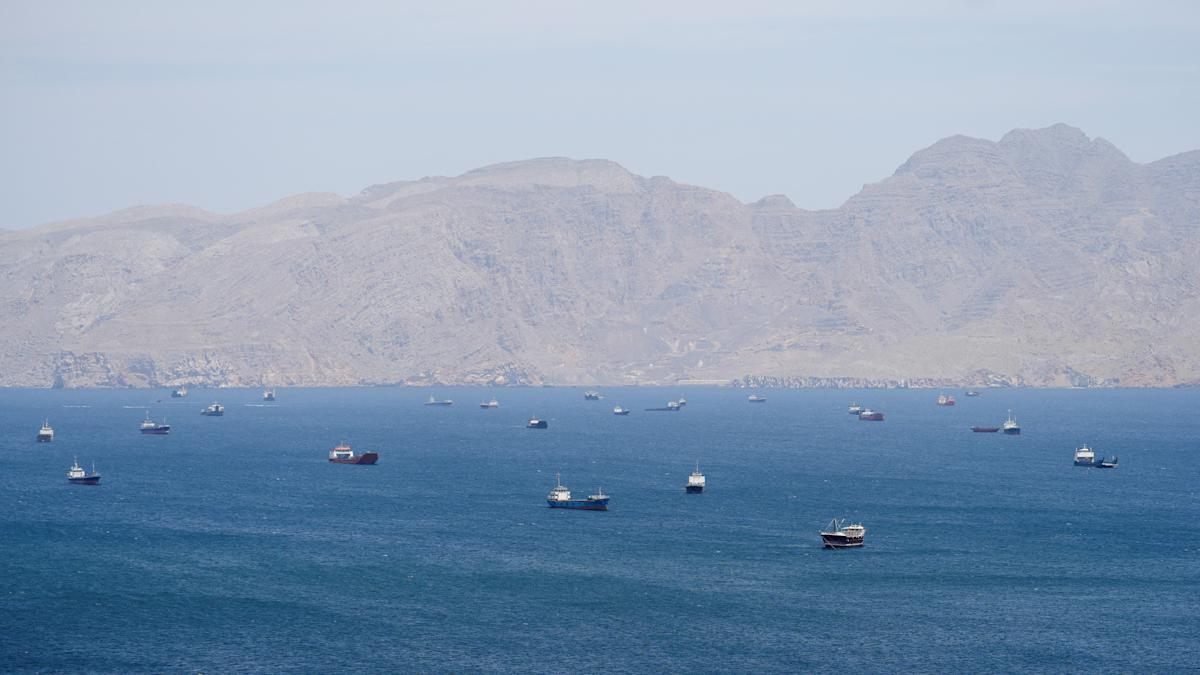
Former President Donald Trump has instructed his team to prepare for an extended US blockade of the Strait of Hormuz, a crucial passage for global oil transport, until Iran complies with demands regarding its nuclear programme. This move, articulated during a recent interview, underscores the administration’s strategy to exert maximum economic pressure on Tehran, which involves cutting off its primary source of revenue—oil exports.
The blockade aims not only to cripple Iran’s economy but also to prevent a wider impact on global markets. Currently, Iran’s oil flows have dropped sharply, leading to significant revenue losses estimated at around $500 million daily. Such pressure is expected to force Iran into a position where it must negotiate over its nuclear capabilities, a vital concern for the US government.
However, the blockade’s effects reverberate beyond Iran, posing risks to global energy supply and economic stability. The price of Brent crude oil surged to its highest levels since mid-2022, climbing 7.8% recently. Earlier figures indicated that before the unrest, about 20 million barrels of oil passed through the strait daily. Currently, that number has plummeted to near single digits due to the blockade.
Since the blockade commenced, the US Navy has specifically targeted Iranian vessels, disrupting their ability to export oil. Reports indicate that six Iranian tankers attempting to sell oil have been forced to return to the Persian Gulf. Given that oil and gas account for around 80% of Iran’s export revenue, the economic implications of these restrictions are dire.
Experts suggest that Iran is on the brink of an economic crisis, with its storage facilities nearing capacity. Predictions indicate the country might soon need to shut down oil wells, risking significant damage to its infrastructure. Trump, during his assessment, noted the blockade would be more effective than military action, claiming it was suffocating Iran’s economy.
Despite this aggressive strategy, the approach poses challenges for the global economy. Analysts warn that reduced oil supplies are contributing to an impending supply cliff, with estimates suggesting a reduction of 13.7 million barrels daily in April alone. This gap significantly impacts energy-dependent nations, especially in Asia, prompting some governments to implement demand-reduction measures.
Following the blockade, US gasoline prices have surged to their highest levels in over a year, exacerbating inflationary pressures felt by domestic consumers. Freight costs have increased, further straining the supply chain of essential goods. The situation is complicated by global oil inventories nearing record lows, indicating a precarious state for future supply.
While Trump’s administration is banking on economic pressure to yield results, some financial experts from JPMorgan and others indicate that Iran might not yield as expected. The nation has considerable oil stored outside US territories, and its dependency on gasoline imports is significantly lower than in prior years. Iran could leverage its proxy networks to disrupt transport routes of other Gulf nations as a retaliation measure.
The US has maintained its "maximum pressure campaign" despite possible repercussions on the global economy, aiming for strategic bargaining power against Tehran. Analysts suggest that while traders currently feel optimistic regarding a shift from military actions to economic pressures, this may not adequately reflect the potential escalation of economic turmoil if the blockade continues.
Ultimately, the interplay between the US’s economic tactics and Iran’s resilience highlights an ongoing complex geopolitical struggle that could shape the trajectory of global energy markets and economic health in the coming months.
As events unfold, close attention will need to be paid to how these measures affect both domestic and international economic conditions, as well as the broader geopolitical landscape surrounding energy security and political negotiations in the region.