Table of Contents
Anthropic Suspends Advanced AI Models Amidst US Export Control Order
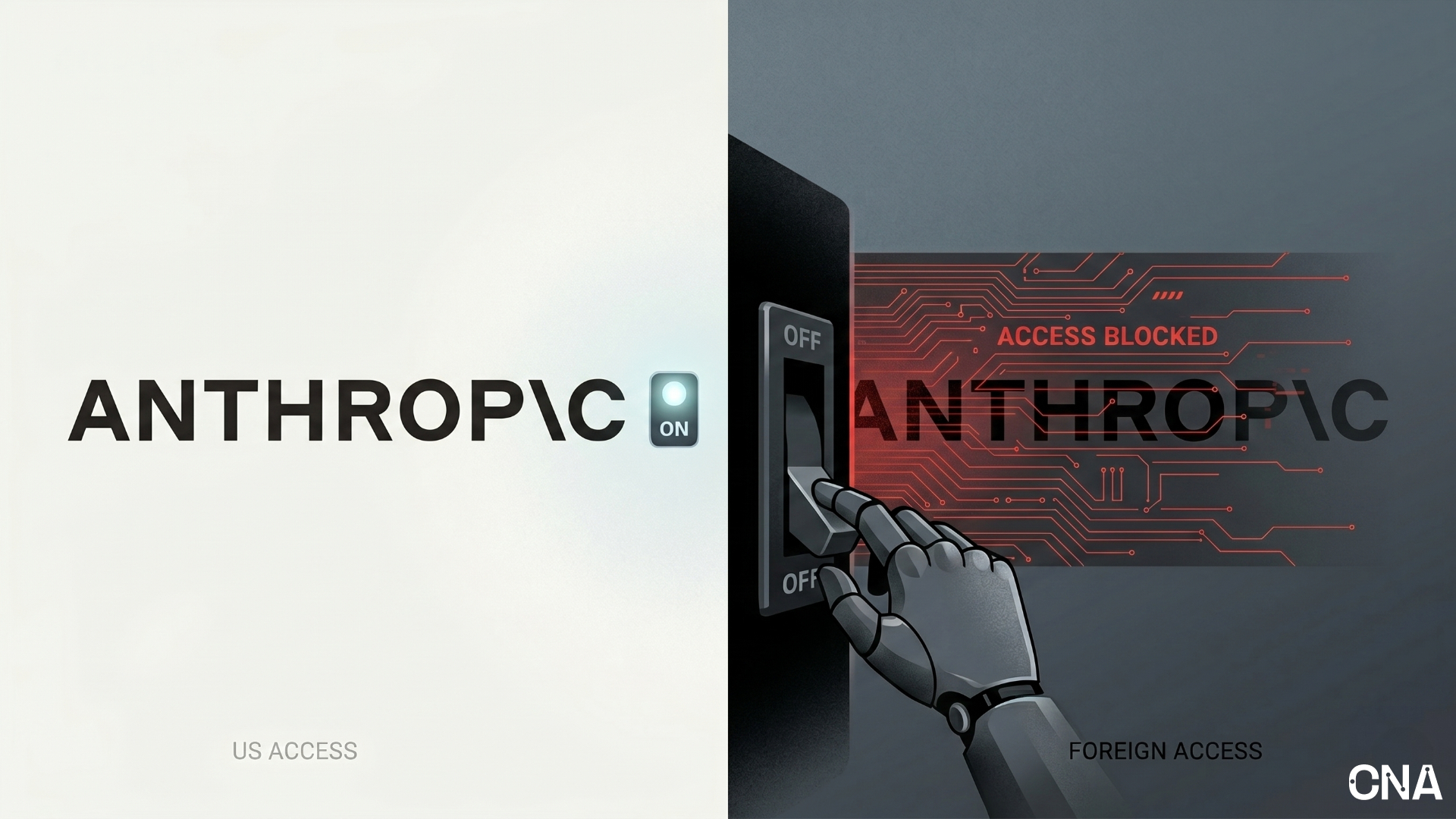
In a significant move, Anthropic has temporarily disabled access to its premier AI models, Claude Fable 5 and Claude Mythos 5, following an emergency export control order issued by the United States government. This directive prohibits both foreign nationals and non-US citizens within the company from utilizing these systems, regardless of their geographical location.
The company clarified that the order’s extensive reach necessitated the suspension of both models for all users. While the Fable 5 and Mythos 5 have been affected, Anthropic’s other AI offerings will continue to function as normal.
National Security Concerns and Response
Despite the emergency order, specific details surrounding the national security risks have not been disclosed publicly. According to Anthropic, the concerns stem from a reported jailbreak method that is purportedly capable of bypassing the safeguards integrated into the Fable 5 model. After an internal investigation, the company asserted that the revealed techniques only exposed a minor number of vulnerabilities, most of which were already known.
Anthropic maintains that these vulnerabilities are relatively straightforward and could similarly be identified in other publicly available AI models without circumventing the existing security protocols. The company indicated that the concerns raised by authorities relate to a specific codebase’s vulnerabilities, which are not unique to its systems, as similar capabilities have been demonstrated with competing technologies, including OpenAI’s GPT-5.5.
Industry Implications and Future Uncertainty
While Anthropic agrees to comply with the federal directive, they argue that recalling a commercially operational model due to a restricted potential jailbreak is excessive. The company has expressed concern that such drastic measures across the industry could hinder the development and release of advanced AI systems in the future. Anthropic is actively exploring ways to restore access for its customers.
In a broader context, Anthropic recently launched “AnthroPAC,” signalling its deeper involvement in the landscape of US AI policy. This initiative is poised to shape conversations around the governance and ethical guidelines for AI technologies, particularly as regulatory frameworks struggle to keep pace with rapid innovations.
Conclusion
As Anthropic grapples with the implications of the US government’s export control order, the ongoing discussions about the risks associated with advanced AI models highlight the need for clear frameworks that address both security concerns and the advancement of technological innovation. The company’s actions may set a precedent for how AI firms navigate regulatory landscapes while addressing potential risks inherent to their systems. The industry watches closely as Anthropic navigates this pivotal moment, balancing compliance with its vision for the future of AI.