Table of Contents
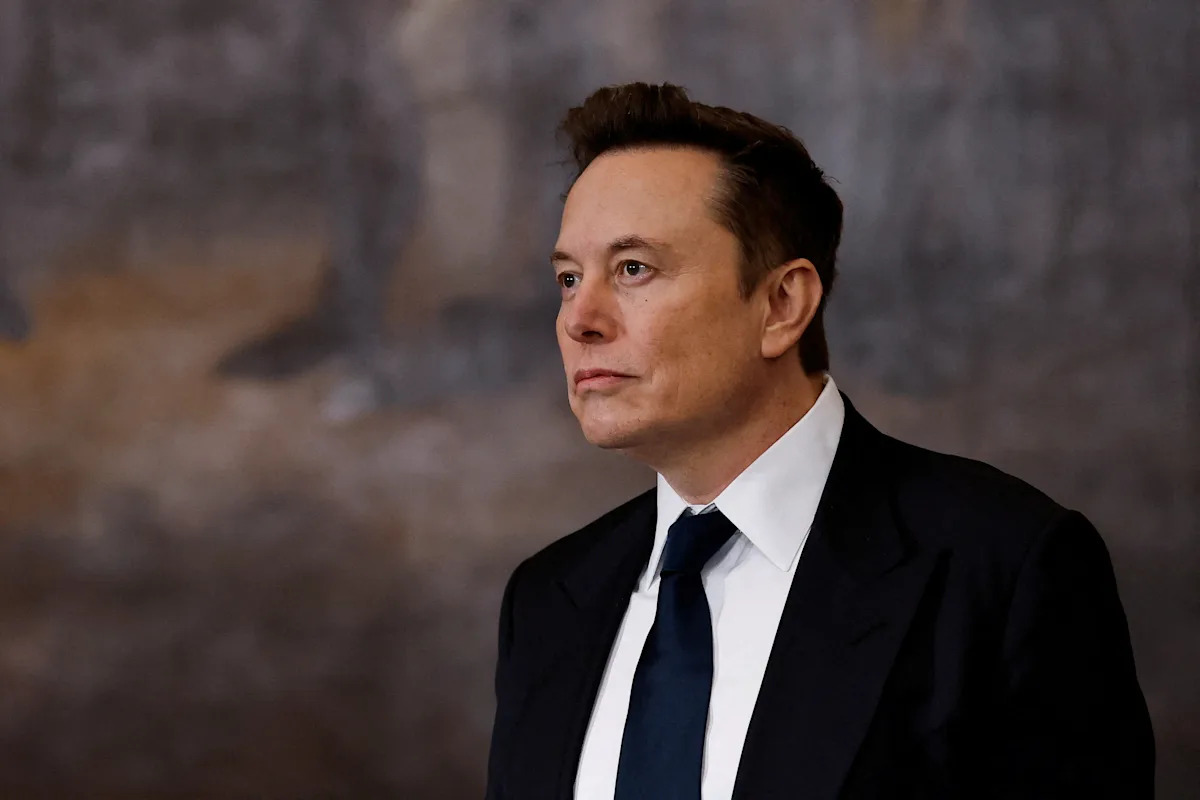
Following Tesla’s much-anticipated earnings report, social media has been buzzing with various opinions about CEO Elon Musk and his ventures in electric vehicles, robotics, and autonomous technology. While the earnings call showcased a more composed Musk, this shift has not been met with enthusiasm by investors, as evidenced by a 3% drop in Tesla’s stock during pre-market trading.
A New Side of Musk
The earnings call revealed a different version of Musk than what investors typically expect. Usually characterised by bold timelines for ambitious projects and light-hearted barbs aimed at competitors, this time, Musk exhibited a pronounced focus on the company’s crucial developments. He signalled caution regarding the timeline for unveiling the next iteration of the Optimus robot, citing the need to protect his company’s innovations from competitors who may be watching closely. Musk also emphasised the importance of ensuring the safety of upcoming robotaxi services, acknowledging the slower-than-anticipated rollout of these driverless vehicles across the US and Europe.
Particularly noteworthy was Musk’s reluctance to divulge specific financial details surrounding the construction of a Terafab or disclose the cost-sharing arrangements with partners. This level of restraint may have disappointed analysts hunting for straightforward forecasts, but it underscores a more meticulous and detail-oriented approach at a time when the stakes are undeniably high for Tesla.
Embracing a Different Approach
Tesla finds itself at a pivotal juncture, engaged in critical projects such as deploying autonomous vehicles, producing advanced chips, and releasing new robotic technology. In this light, a focused and cautious Musk could indeed resonate well with long-term investors hoping for precision rather than speculative timelines.
Reasons Behind Stock Movement
The post-earnings dip in Tesla’s stock can be attributed to several key factors:
-
Increased Capital Expenditure Guidance: Investors were taken aback by the revised capital expenditure forecast of $25 billion for 2025, a significant increase from the previously estimated $20 billion. This comes at a time when Tesla’s expenditure was $8.5 billion last year.
-
Lack of Timeline for Optimus Robot: With no specific unveiling date for the next Optimus, investor confidence has wavered.
-
Slower Than Expected Robotaxi Rollout: The anticipation for driverless taxi services has not materialised as rapidly as hoped, contributing to the decline.
- Energy Business Performance: Tesla’s energy segment fell short of some Wall Street expectations, further weakening investor sentiment.
Financial Performance Highlights
Despite the stock downturn, Tesla’s first-quarter results revealed commendable performance, with the company achieving its fastest revenue growth in three years. Total revenue surged by 16% year-on-year to $22.39 billion, significantly bolstered by increased demand in Europe and Asia. Moreover, Tesla surpassed profitability expectations, recording non-GAAP earnings per share of $0.41, exceeding forecasts of $0.35.
In conclusion, while the current Wall Street reaction may lean towards disappointment due to Musk’s shifted persona and cautious outlook, this approach may prove beneficial in ensuring Tesla’s strategic initiatives are executed effectively. Investors, while initially unsettled, may need to appreciate this more focused leadership style as the company navigates its transformative projects in the coming years.