Table of Contents
A Melbourne Mum’s Guide to Grocery Savings: How Amanda Dean Cut Her Bill by $20,000
Amanda Dean, a savvy Melbourne mother, has effectively slashed her grocery expenses by over $20,000 through smart shopping strategies focused on purchasing marked-down items. By leveraging supermarket markdown schedules at major chains like Woolworths and Coles, she is ensuring her family grocery bill remains manageable, demonstrating how little changes can lead to significant savings.
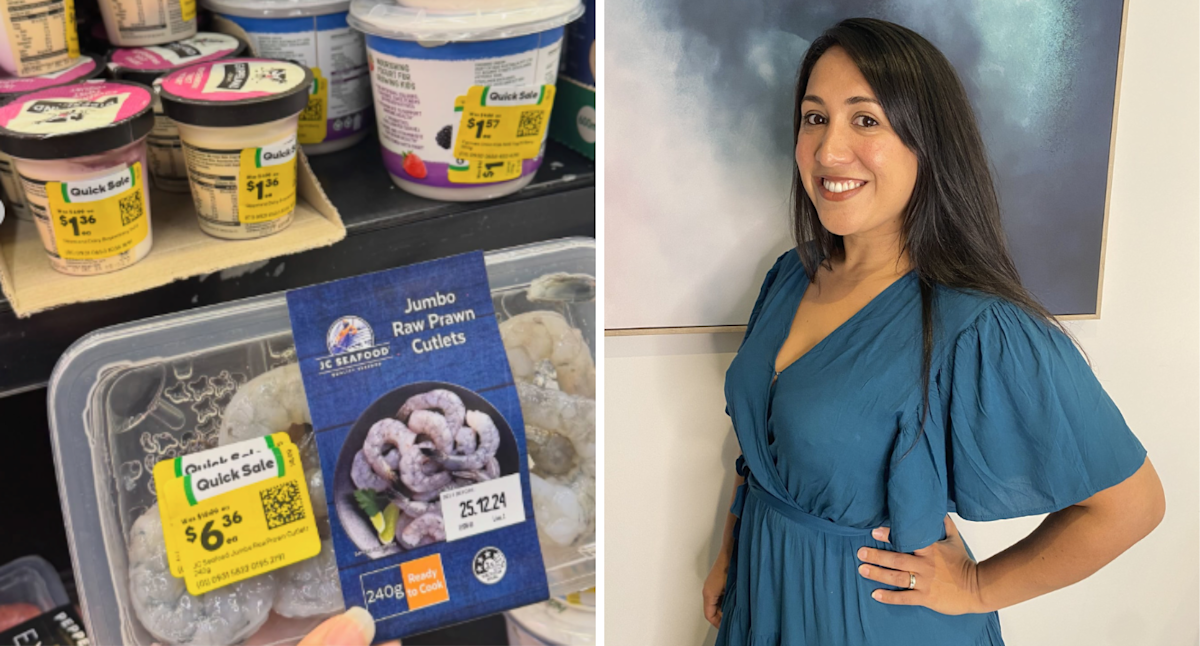
The Value of Yellow Stickers
Dean’s money-saving approach is straightforward: she shops during specific markdown times at her local supermarkets. Many stores offer discounted prices on items approaching their use-by or best-before dates, providing opportunities for buyers to secure essential household goods at a fraction of their original price.
According to Dean, each supermarket has unique markdown timings. “It’s important to note that timing can differ from store to store. With some observation, you can determine when markdowns typically happen,” she explains. This insight can be gleaned by keeping an eye out for yellow stickers, which indicate discounted items, commonly found in the meat, bakery, fruit, and dairy sections.
Key Takeaways for Smart Shopping:
- Timing is Crucial: Check the timestamp on yellow stickers to learn the timing of markdowns.
- Stack Your Savings: Items often see multiple markdowns leading up to their use-by dates—first the day before, then the morning of, and finally in the evening.
Major Savings on Essential Groceries
Dean recently showcased her skills when she secured $80 worth of groceries for a mere $16 at Woolworths. Her impressive haul included BBQ pork belly strips ($3.10), nine chicken pieces ($1.82), sausage rolls ($1.70), and tortellini ($2.10).
She typically optimises her purchases by preparing meals in advance or freezing items for future use, which allows her to make the most of her groceries. Dean also highlights Christmas Eve as an exemplary shopping day, given that stores are closed during the following public holidays. Last year, she capitalised on this by snagging rock lobsters for $11 each and a pavlova for only $2.50.
Budgeting and Flexibility
In her household, Amanda budgets $200 weekly for groceries, switching between Coles, Woolworths, Aldi, and her local butcher based on the best deals. Her shopping strategy is about adapting—whether stocking up on sale items, filling the freezer, or using rewards programs like Flybuys and Everyday Rewards to accumulate points for discounts on future purchases.
“Shopping differently is key,” she says. “Utilising markdowns and knowing when to shop has made a huge difference."
Additional Savings Strategies
Beyond grocery shopping, Dean has been resourceful in saving money across various daily expenses. She has negotiated better deals with her insurance and internet providers, sold surplus items on Facebook Marketplace, and cleverly navigated grocery shopping to achieve remarkable savings.
Her ultimate goal is to funnel these savings into her mortgage, driving down her debt further. “We’ve recently hit below $100,000, which is incredibly exciting. It motivates me to keep decluttering and selling things we don’t need,” she shares.
Final Thoughts
Amanda Dean’s story serves as a powerful lesson for families looking to tighten their budgets. By scheduling grocery runs strategically, capitalising on discount opportunities, and implementing a flexible shopping approach, she demonstrates that substantial savings are possible with a bit of know-how and effort. With rising costs, her strategies offer valuable insights for others aimed at maximizing financial efficiency without compromising on quality.