Private Credit: A Mainstay on Wall Street
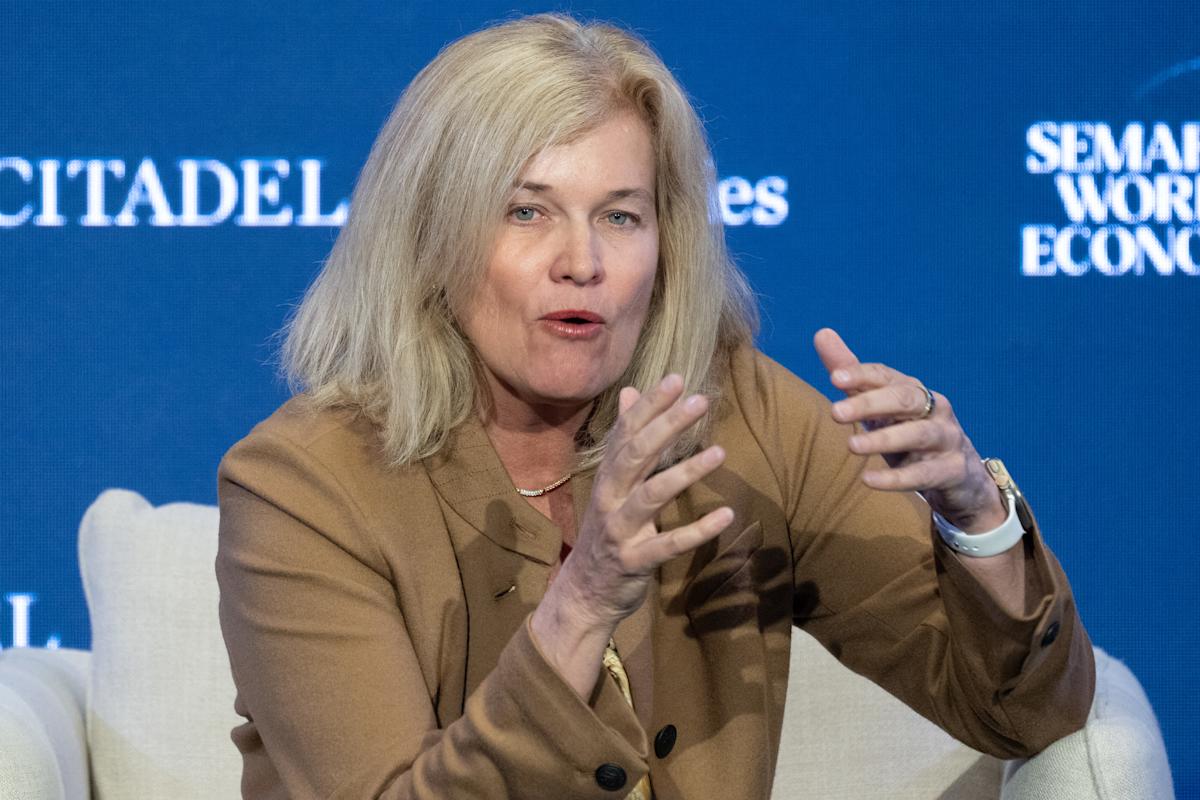
Franklin Templeton’s CEO, Jenny Johnson, asserts that the private credit sector has firmly established itself within the financial landscape of Wall Street. In a discussion with Yahoo Finance at the Semafor World Economic Summit, Johnson highlighted that private credit is "here to stay," referencing the 2008 financial crisis as a pivotal moment when banks reduced lending due to stringent capital requirements. This created an opportunity for private funds to step in and provide necessary capital.
Johnson emphasised the illiquidity of private credit investments, stating, "It drives me nuts when anybody says, ‘Oh, it’s more liquid than you think.’ It is absolutely illiquid." This lack of liquidity means that investors cannot quickly retrieve their cash, unlike stocks, from private funds. However, she pointed out the potential gains, noting that investment-grade private loans might yield an additional 150 basis points compared to traditional bonds, while high-yield loans could see spreads increase to 250 or even 400 basis points.
The long-term benefits of private credit can be significant; Johnson explained that a mere 1% increase in return over a 20-year span could result in a retirement balance that’s 20% higher. She encourages investors to consider whether they can endure 5% to 10% illiquidity in their portfolios, as doing so could lead to meaningful compounding returns.
In an innovative move, Franklin Templeton is incorporating these illiquid assets into “liquid vehicles” by blending a small portion of private debt into traditional funds that allow for quarterly trading. This approach enables retail investors to access high-yield private debt and late-stage venture capital without the lengthy waiting period typically associated with such investments.
Johnson also identified artificial intelligence and enterprise software as new growth areas, challenging prevailing perceptions on Wall Street. Despite heavy selling pressure on software stocks due to fears that AI advancements might render them obsolete, she believes that the sector still holds substantial potential. There are, however, sceptics who contend that, especially in light of geopolitical crises like the conflict in Iran, traditional sectors such as security and energy may be more vital.
Notably, other financial leaders are observing trends in the market closely. Goldman Sachs CEO David Solomon indicated that the firm is experiencing loan stress primarily in large-scale "wholesale" lending rather than in private credit or credit card segments. Solomon cautioned that the market has experienced an extended period without what he terms a "normal credit cycle," suggesting a recession could be on the horizon, with increased loss levels unavoidable across diversified portfolios.
Meanwhile, JPMorgan’s chief Jamie Dimon downplayed concerns related to private credit, stating that the market’s relatively small size would require significant losses to impact larger banks negatively. "I’m not particularly worried about it," he remarked.
However, apprehension among investors is palpable. Blue Owl Capital reported receiving redemption requests totaling $5.4 billion across two of its leading funds, prompting the firm to activate its 5% quarterly redemption cap.
In conclusion, Johnson advises that having a financial roadmap, preferably with the guidance of a financial adviser, is crucial. She suggests that individuals assess their financial needs, spending habits, and ability to invest in illiquid products. “If you can afford it, it’s beneficial to include some illiquid investments in your portfolio,” she explained.
As the financial landscape evolves, private credit continues to gain traction, presenting both challenges and opportunities for investors willing to navigate its complexities.