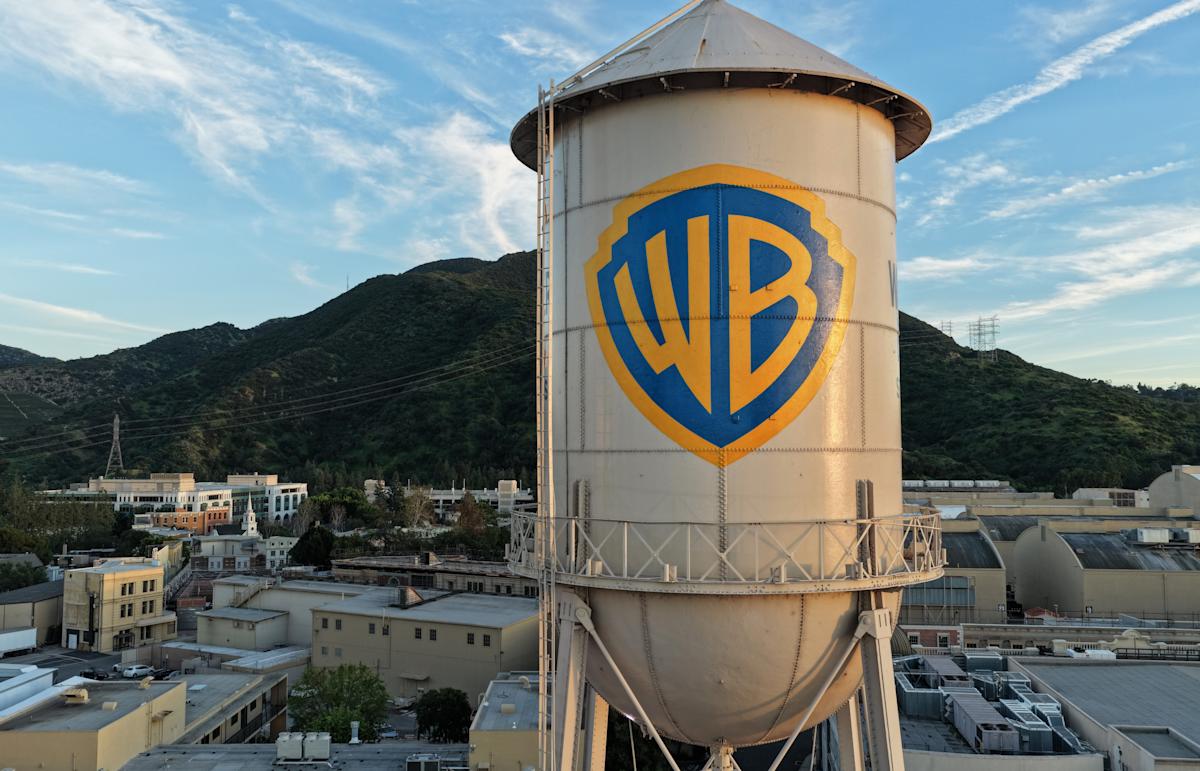
Warner Bros. Discovery Secures Approval for Massive Merger with Paramount Skydance
In a significant move within the media landscape, shareholders of Warner Bros. Discovery (WBD) have overwhelmingly voted in favour of a monumental $110 billion merger with Paramount Skydance (PSKY). This decision, however, has impacted Paramount’s stock price, leading to declines as the market digests the implications of the deal.
On Wednesday, Warner Bros. released a statement confirming that based on preliminary counts from a Special Meeting, the majority of stockholders gave their approval for the merger agreement with Paramount. David Zaslav, CEO of Warner Bros., heralded the vote as "another key milestone" towards finalising a transaction he believes will provide significant value to shareholders.
While shareholder approval is a crucial step, several regulatory clearances remain pending, with expectations set for the deal’s completion in the third quarter of 2026.
The journey to this merger has been lengthy and competitive. Initially, Netflix made headlines with an offer of nearly $83 billion for Warner Bros., yet this was outdone by Paramount’s offer of $31.00 per share along with a $2.8 billion termination fee payable to Netflix.
The strategic vision behind the merger focuses on uniting two major streaming services: HBO Max and Paramount+, effectively bringing together diverse content from "Sopranos" to "SpongeBob SquarePants," and "Euphoria" alongside the "Harry Potter" franchise. Zaslav envisions the merged entity as a "next-generation media and entertainment company."
Analyst Laura Martin from Needham highlighted that upon successful closure, the new entity would boast around 200 million gross streaming subscribers, positioning it as a formidable opponent against other streaming giants, excluding Netflix. She noted that this merger would facilitate the transition from operating three mid-tier over-the-top (OTT) services to a comprehensive global platform that could enhance its competitive stance in terms of audience engagement, pricing strategies, and advertising revenue.
Furthermore, the combined company would gain access to two of the largest film and television libraries and boast one of the strongest portfolios in the media industry, encompassing a broad spectrum of content across theatrical releases, television, sports, news, and direct-to-consumer channels.
Paramount Skydance has reiterated its commitment to maintaining a robust output of creative content, pledging to produce at least 30 theatrical films per annum post-merger.
In contrast, Netflix is pivoting away from this high-stakes deal. Investor concerns over the associated debt from the transaction have shifted focus back to the core fundamentals of Netflix, encouraging a more streamlined approach. According to BMO’s Brian J. Pitz, the breakup of the WBD merger has cleared the path for Netflix to solidify its position and grow its burgeoning advertising business, which the company aims to scale beyond $10 billion in the long term.
As the media landscape continues to evolve, the implications of this merger will be keenly observed as both companies brace for the changes ahead. The expected benefits for WBD could redefine the competitive dynamics of the streaming sector while challenging Netflix’s strategies in the changing marketplace. The success of such a massive undertaking will ultimately depend on regulatory approvals and the effective integration of their respective portfolios.