Podcast Insights: The Enduring Geopolitical Tensions with Iran
Listen and Subscribe
Tune in to "Power Players With Brian Sozzi" on various platforms, including Apple Podcasts, Amazon Music, Spotify, and YouTube.
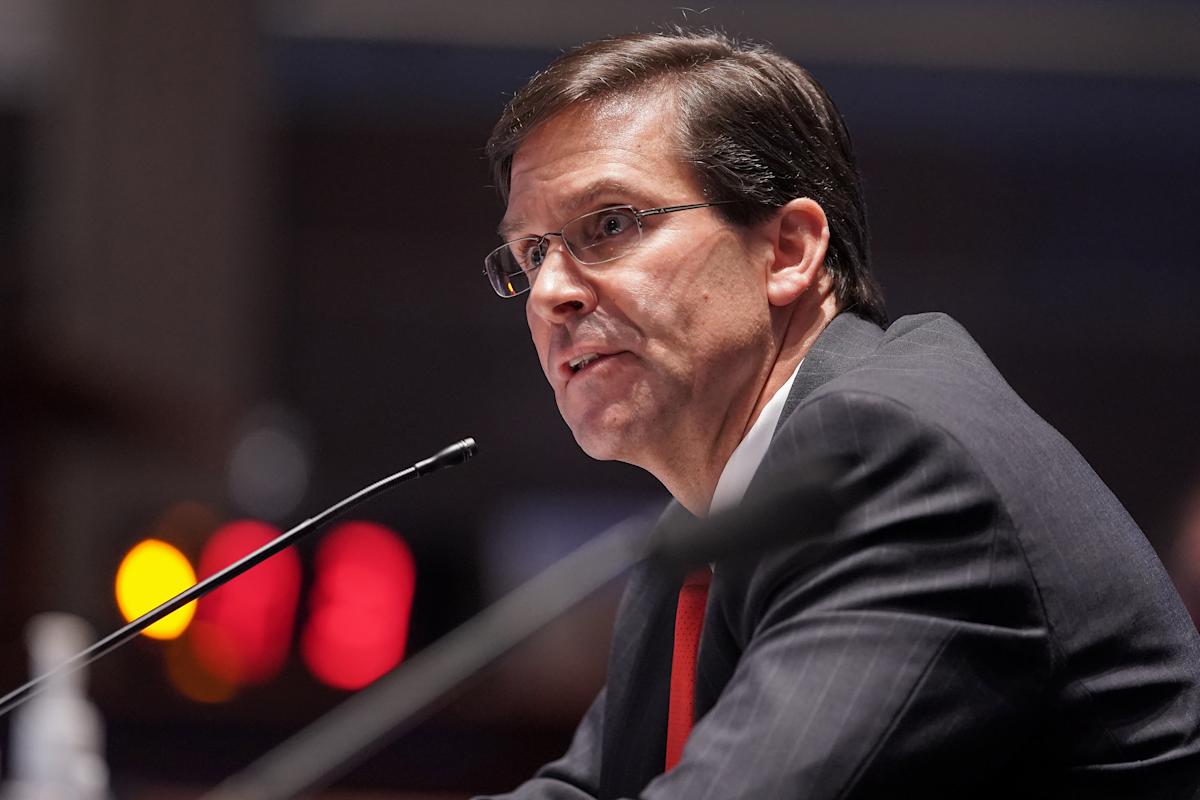
In a thought-provoking episode of Power Players, former US Secretary of Defense Mark Esper shared his insights on the ongoing geopolitical risks posed by the strained relationship with Iran—a topic that he believes is not getting the attention it deserves from the stock market.
Escalating Tensions Ahead
Esper expressed his concerns during the discussion, stating, "I don’t see an end [to the war] anytime soon." He dismissed the possibility of a phone call resolution as suggested by former President Trump, citing a significant lack of trust between the US and Iran. Esper emphasised Iran’s expertise in negotiations, suggesting that reaching any meaningful agreement will be a lengthy and complex process.
He detailed, "It’s going to take a lot of time with experts in the nuclear field and in verification mechanisms," referencing the crucial role of the International Atomic Energy Agency (IAEA) in such discussions. This intricate process will require meticulousness to ensure any agreements are sound and enforceable, predicting that the completion could take months.
Esper’s Background
Mark Esper has over 30 years of experience intersecting military service, corporate strategy, and national policy. Notable in his career is his tenure as Secretary of Defense from 2019 to 2020, where he played a pivotal role during major military initiatives. A distinguished West Point graduate and Gulf War veteran, Esper previously served as Secretary of the Army, championing military readiness and adapting strategies to prepare for "Great Power Competition" with nations like China and Russia.
Upon assuming the role of Secretary of Defense, he was instrumental in establishing the Space Force and modernising the Navy, as well as enhancing the United States’ broader military capabilities.
Current Situation and Future Implications
As the fragile US-Iran ceasefire, established earlier this year, faces significant strain due to aggressive Iranian actions—such as drone strikes against commercial shipping—Esper urged the need for heightened vigilance. The US Navy’s response, "Project Freedom," involves escorting commercial vessels through the volatile Strait of Hormuz where tensions have escalated. This initiative highlights the potential for conflict should Iranian aggression continue unabated.
Reflecting on future negotiations, Esper remarked, "I don’t think we’ll get an unconditional surrender," suggesting that any agreement will likely fall short of complete capitulation from Iran. He acknowledged the possibility of a nuclear agreement, while alluding to broader uncertainties regarding the Iranian regime’s stability—mentioning potential scenarios ranging from internal collapse to civil unrest.
In summary, Esper’s insights articulate a complex and uncertain geopolitical landscape regarding US-Iran relations, affirming that stakeholders must remain conscious of the risks that could significantly impact markets and global stability. The situation calls for robust diplomatic efforts grounded in careful deliberation, as the ramifications of these ongoing tensions have far-reaching global consequences.