Table of Contents
Spirit Airlines Ceases Operations: The Implications of Its Collapse
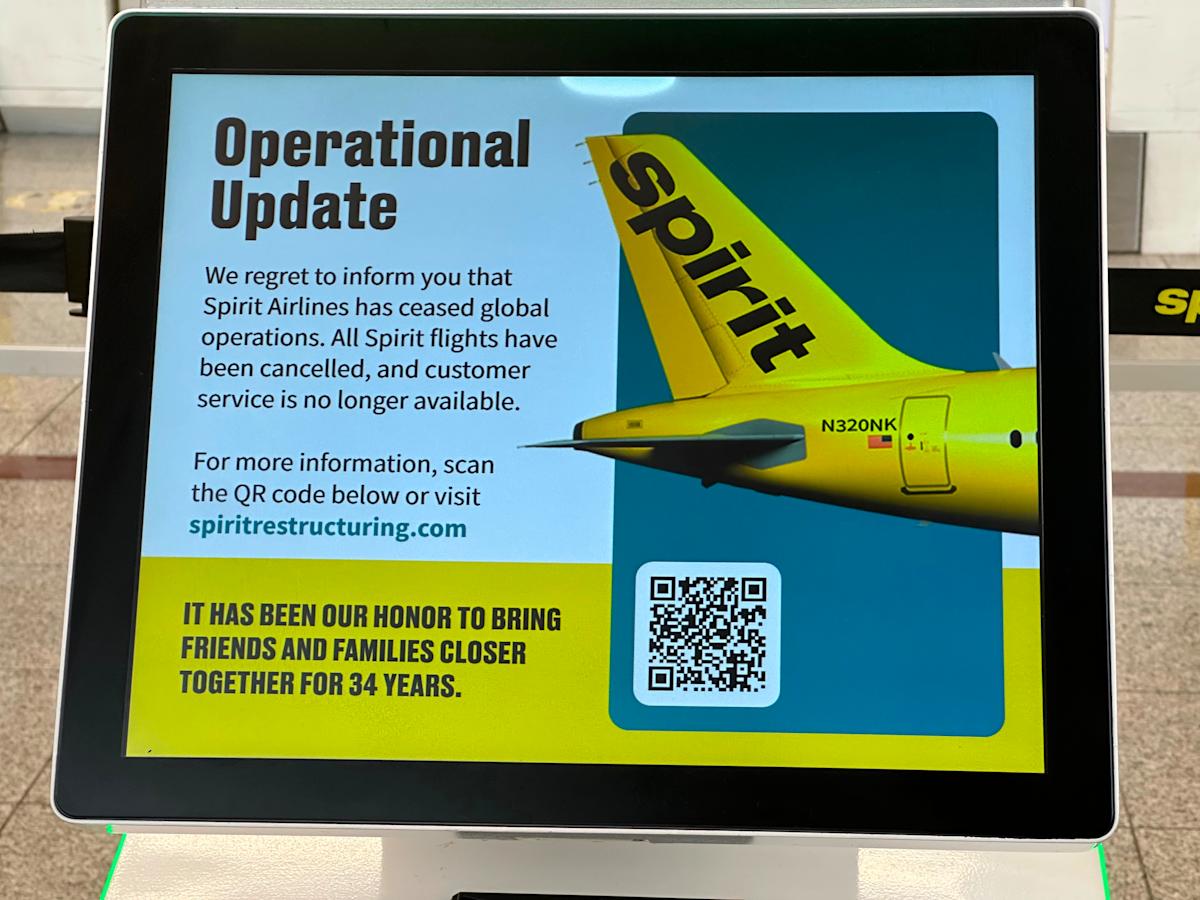
Spirit Airlines, a well-known budget airline in the US, has officially ceased operations as of 3 a.m. ET on Saturday. This closure marks a significant moment in the airline industry, ending a company that struggled for years amidst financial instability, including a blocked merger attempt and a subsequent bankruptcy filing.
Background to the Collapse
Spirit Airlines’ decline has been attributed to a combination of factors, including ineffective management of financial risks and rising operational costs, particularly due to escalating fuel prices exacerbated by geopolitical tensions. The airline’s failure follows a failed merger with JetBlue, which the Biden administration obstructed, citing potential harm to low-cost competition. The government’s legal intervention resulted in a federal judge ruling against the merger in early 2024, prompting JetBlue to withdraw its offer to acquire Spirit for $3.8 billion.
Following this setback, Spirit filed for Chapter 11 bankruptcy protection in November 2024 but ultimately could not find a sustainable way forward. Attempts to secure a government bailout also fell apart, leaving the airline unable to restructure its debt or recapitalise.
Impact on Passengers
Passengers holding tickets with Spirit Airlines were informed that their flights had been cancelled and were advised to seek refunds through the bankruptcy proceedings, a process that may be drawn out and complex. With Spirit no longer functioning, there were no automatic rebookings available on partner airlines, meaning that many travellers were left stranded. Some major airlines like United, American, and Delta offered capped fare options to assist affected passengers.
The Fallout and Blame Game
The aftermath of Spirit’s downfall has ignited a blame game. Transportation Secretary Sean Duffy publicly attributed the airline’s failure to the Department of Justice’s decision to block the merger, accusing the Biden administration of ensuring the airline’s downfall. Duffy declared that the administration “tanked that deal," suggesting it directly led to Spirit’s bankruptcy filing.
Critics, however, argue that the airline’s business model — which relied heavily on low fares supplemented with various fees — was inherently flawed and destined for failure regardless of external factors. Additionally, some industry observers suggested that the airline’s choice to pursue a merger with JetBlue, rather than a potentially less contentious merger with Frontier Airlines, was a misstep that ultimately contributed to its misfortunes.
Former Biden assistant AG Jonathan Kanter argued that a Spirit-Frontier merger would likely have received regulatory approval and could have provided the necessary support to keep Spirit afloat.
Conclusion
The closure of Spirit Airlines highlights critical challenges within the airline industry and the delicate balance of competition and regulation. With Spirit’s exit, passengers have lost another budget travel option at a time when many are grappling with affordability issues in travel and beyond. As the dust settles, it remains to be seen what lessons will be learned and how the airline market will evolve in light of Spirit’s downfall.
In the end, the demise of Spirit Airlines serves as a reminder of the volatile nature of the aviation sector and the ongoing need for adaptive strategies in an ever-changing economic landscape.