The video game industry is currently grappling with global memory and storage shortages, which have significantly affected their pricing strategies. Nintendo (NTDOY) is the latest player to feel the impact, following substantial price hikes from competitors Microsoft (MSFT) and Sony (SONY).
Microsoft has increased the prices of its Xbox consoles twice, as a response to rising memory and storage component costs, alongside the tariffs implemented during President Trump’s administration. The Xbox Series S has risen from $299 to $399, while the Series X has increased from $499 to $649. Similarly, Sony has raised its PS5 prices multiple times, increasing the digital edition from $399 to $599, and the standard PS5 from $499 to $649.
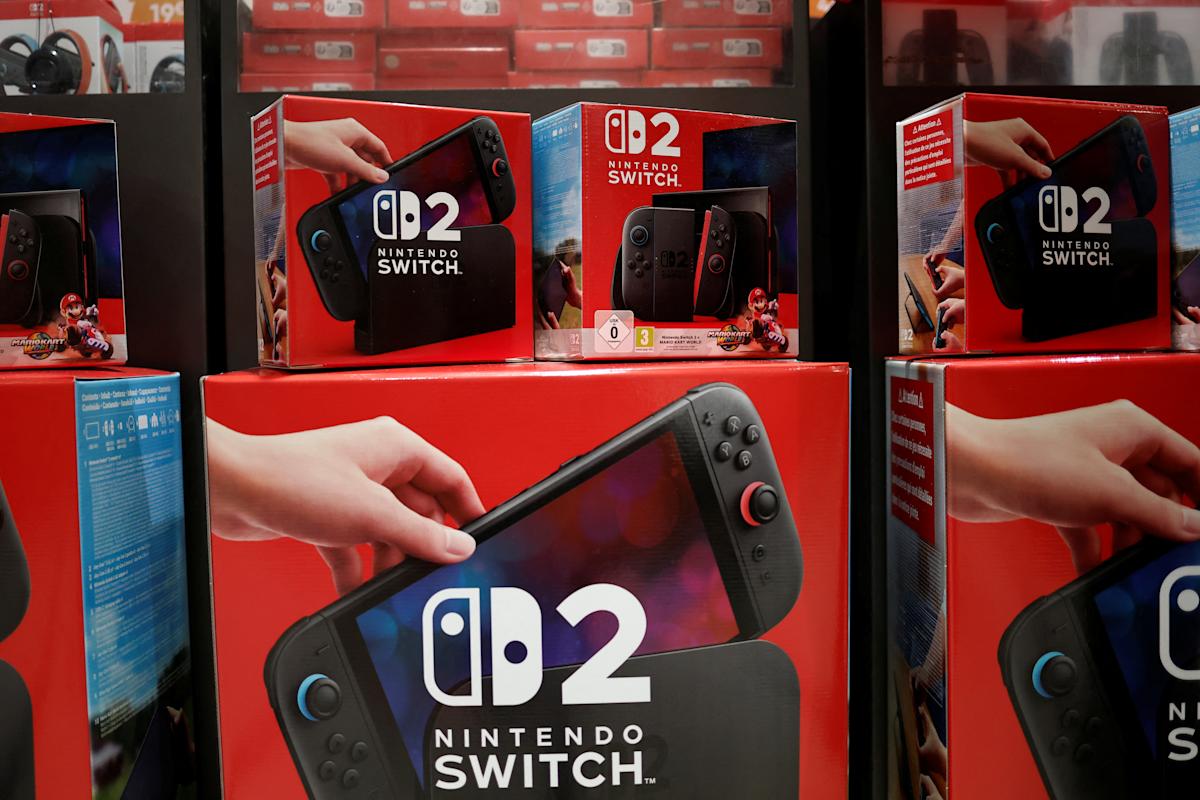
Nintendo’s Switch 2, priced initially at $449, is set to see an increase to $499 starting 1 September. This marks Nintendo’s second price hike, having previously raised the original Switch price by $50. The initial resistance to raising prices helped Nintendo’s latest console gain strong sales momentum, contributing to its status as a potential best-seller. However, there are concerns that this recent price increase could disrupt its early sales success. Serkan Toto, CEO of Kantan Games, points out that raising prices shortly after launch could hinder efforts to build a strong user base.
Both Microsoft and Sony are already witnessing the negative effects of their price increases on sales. According to Mat Piscatella of Circana, sales velocities for both Xbox and PS5 have slowed down since the price hikes were introduced. In Microsoft’s most recent quarter, Xbox hardware revenue plummeted by 33%, while Sony’s PS5 sales fell 46% year-over-year, dropping from 2.8 million units in 2025 to 1.5 million in the latest quarter.
Traditionally, console manufacturers tend to lower prices over time to stimulate sales as initial excitement wanes. This makes the current price increases all the more striking. Furthermore, there are worries about how ongoing component shortages might affect future consoles. With Nintendo’s Switch 2 still under one year old, both Microsoft and Sony are gearing up for their next generation of consoles, which may encounter challenges if the shortages persist until 2030.
The ongoing crisis driven by supply chain issues could potentially have long-term implications for the gaming industry, necessitating careful navigation by companies trying to balance profitability with accessibility for consumers.