Table of Contents
The Video Game Industry Faces Price Hikes Amid Global Hardware Shortages
The video game sector is grappling with significant challenges posed by global shortages and rising prices for memory and storage components. Industry leaders such as Microsoft and Sony have responded to these pressures by incrementally increasing the prices of their consoles, with Nintendo now poised to follow suit.
Price Increases by Major Players
Microsoft has raised the cost of its Xbox consoles twice, adjusting the Xbox Series S from $299 to $399 and increasing the Xbox Series X from $499 to $649. Similarly, Sony has enacted two price hikes for its PlayStation 5, elevating the digital edition from $399 to $599 and the standard PS5 from $499 to $649.
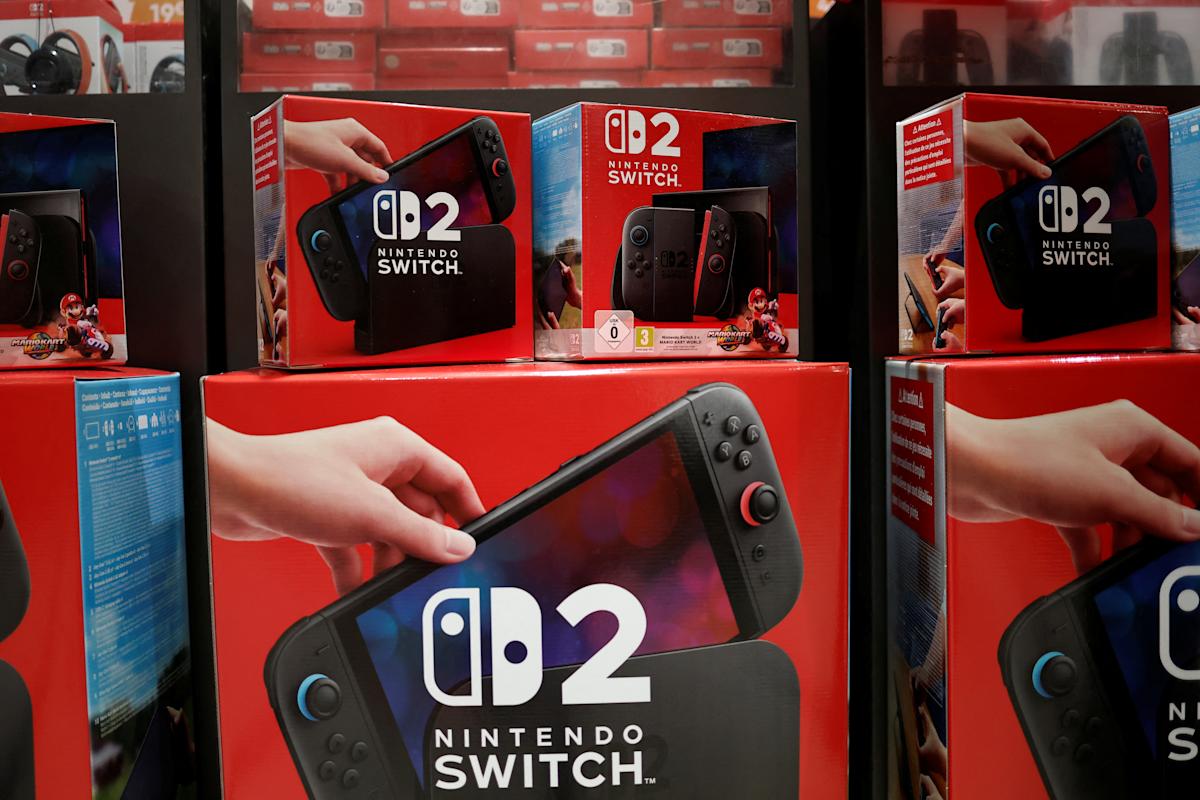
While Nintendo initially maintained its pricing strategy for the Switch, the company recently announced a price increase for its new Switch 2 console, bringing the cost from $449 to $499 as of September 1. Previously, Nintendo had increased the original Switch’s price by $50 to safeguard against potential declines in early sales, a move that seems to have paid off, with the Switch 2 on course to become one of Nintendo’s top-selling devices.
However, analysts express concern that this latest price hike could hinder Nintendo’s momentum. Serkan Toto, CEO of Kantan Games, remarked, “It’s not even a year since launch. So, [Nintendo is] trying to build up the install base, and now this kind of price hike … is a wrench … thrown into their wheels.”
Impact of Price Hikes on Sales
The financial ramifications of these price increases are already evident. Microsoft’s Xbox hardware revenue plummeted by 33% in its latest quarter, while Sony reported a dramatic 46% drop in PS5 unit sales, falling from 2.8 million units to 1.5 million in just a year. This downturn marks a stark contrast to typical trends where console prices are expected to decrease over time to drive sales.
The timing of this pricing strategy is particularly alarming for Microsoft and Sony, as both companies are already preparing for their next-generation consoles. With current estimates suggesting that the chip shortages and price increases could extend until 2030, these challenges could have lasting implications on their future offerings.
Conclusion
As the video game industry navigates uncharted waters amidst these shortages and rising costs, the actions of companies like Nintendo, Microsoft, and Sony will be critical. Their decisions not only affect immediate sales but also their competitive standing in an evolving market landscape. The current situation remains a testament to the interconnectedness of technology supply chains and the ongoing ramifications of global economic pressures.