Table of Contents
Financial Prospects of the 2026 FIFA World Cup for Major Corporations
As the countdown to the 2026 FIFA World Cup begins, significant public companies anticipate lucrative opportunities. A recent survey conducted by Citi analyst Jon Tower, which involved 1,800 respondents from the United States, Mexico, Canada, Brazil, France, Italy, and the UK, explores consumer engagement regarding the tournament.
Key Survey Insights
-
Viewing Intentions: Approximately 97% of global participants plan to watch the matches either on TV or through streaming services. About 20% expressed intentions to attend games live, with this figure rising to 25% among residents of host nations and dropping to 15% in non-host countries. The US leads with 35% planning to attend, followed by Mexico at 23%.
- Attendance Expectations: The US dominates as the primary destination for in-person game attendance, with 66% of attendees choosing to watch matches there. Mexico and Canada follow closely, with 41% and 37% respectively. Notably, 72% of potential attendees have already secured tickets, with many intending to attend two to three matches. The average ticket price is around $592, with US attendees reporting the highest average at $653.
Promising Stocks
Tower has identified 19 US companies that could potentially benefit from the World Cup, primarily those in the consumer sector that are likely to see increased spending. These include:
- Beverages: Constellation Brands, Coca-Cola, PepsiCo
- Retail and Dining: Walmart, McDonald’s, Domino’s Pizza, Dick’s Sporting Goods
- Entertainment and Services: Uber, DoorDash, DraftKings, Marriott
- Technology: Google, Meta
Overview of the 2026 Tournament
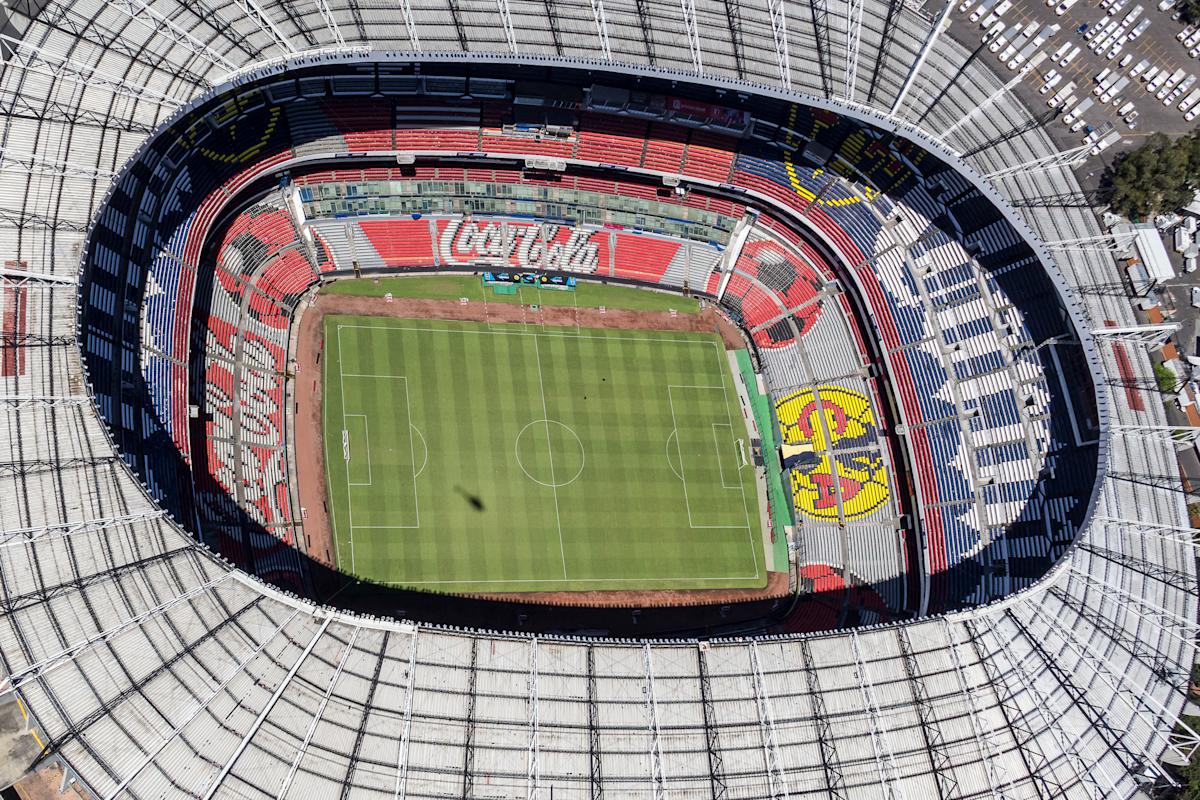
The upcoming World Cup, taking place from June 11 to July 19, will be unprecedented, hosted across three nations—The US, Mexico, and Canada—spanning 16 cities. The tournament features an expanded format with 48 teams competing in 104 matches over 39 days, aiming for an attendance of nearly 6 million. It is set to become the largest and most viewed sporting event ever.
Beer Industry Boom
A notable sector anticipated to profit significantly is the beer industry. Analysts at Jefferies project a substantial increase in global beer consumption by 568 million litres during the tournament. Historical data indicates past World Cups have driven consumption surges between 2.5% and 9.9% in host cities. For instance, during Brazil’s 2014 World Cup, AB InBev recorded an extra 140 million litres sold.
AB InBev aims to capitalise on this potential uplift, with CEO Michel Doukeris noting that the month of the World Cup can significantly boost brand sales—emphasising that while certain countries, like Brazil, may experience spikes, global engagement still contributes to sales increases.
Economic Considerations
While the World Cup promises financial gains for various companies, it’s essential to acknowledge that these opportunities arise amidst rising energy prices and economic uncertainty. Inflationary pressures are currently affecting the packaged food sector, which could temper hopes for the anticipated sales surge during the tournament.
Conclusion
The 2026 FIFA World Cup offers substantial potential for various public companies, particularly within consumer goods and services. However, the potential for increased sales must be tempered with awareness of the broader economic environment that could impact consumer spending habits. Stakeholders should keenly monitor these dynamics as the event approaches, balancing optimism with realism regarding expected financial outcomes.