Table of Contents
Iranian Diplomat in Beijing: A Strategic Meeting Ahead of US-China Summit
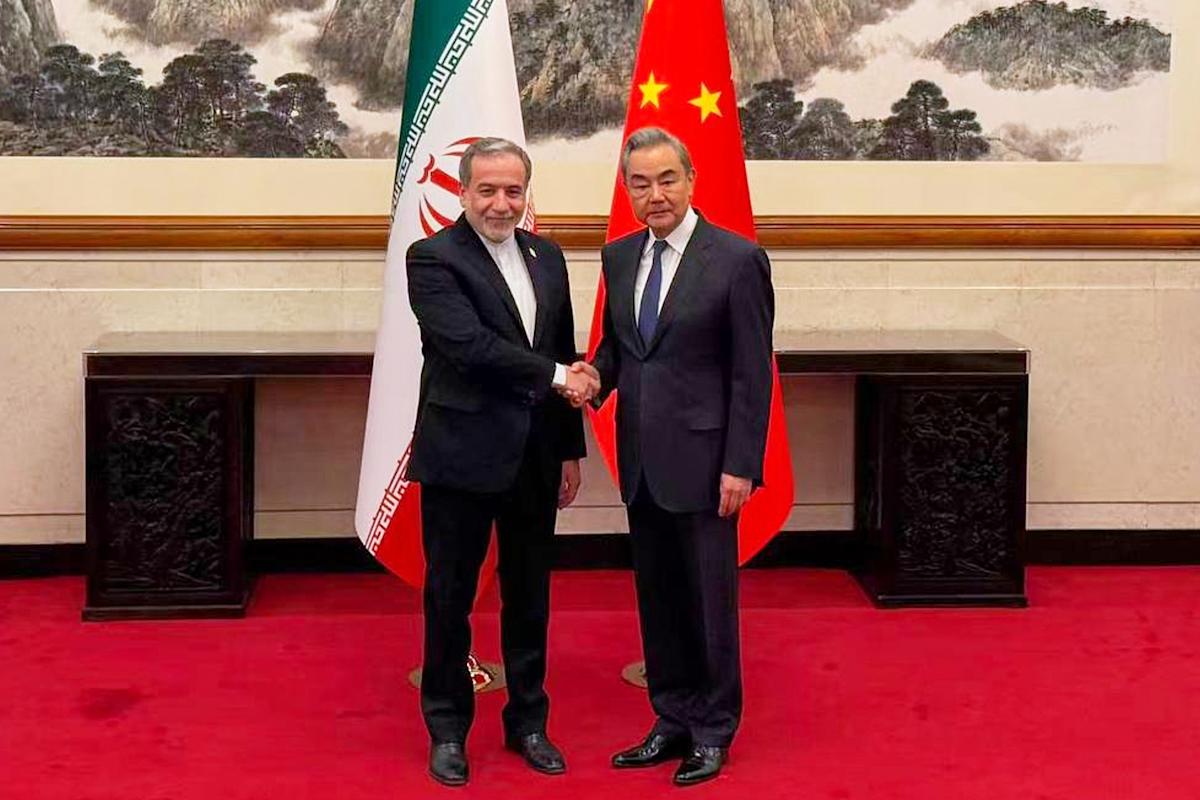
This week, Iran’s Foreign Minister, Seyed Abbas Araghchi, arrived in Beijing for pivotal discussions between Iran and China. This meeting occurs just before President Trump’s summit with Chinese President Xi Jinping, underscoring the significant role the Iran situation will likely play in the upcoming dialogue between the two major powers.
During his visit, Minister Araghchi was greeted with remarks from China’s Foreign Minister, who commended the Iranian populace for their resilience and advocated for a comprehensive ceasefire. Chinese media reported that the visit aimed not only to foster peace but also to strengthen the political trust between the two nations.
Context of Iran-China Relations
The emphasis on the Iran-China alliance comes at a critical juncture for the United States. The fragile ceasefire in the region is at risk, the Strait of Hormuz faces blockades, and American fuel prices have surged past $4.50 a gallon. Amidst these challenges, President Trump has suggested that peace negotiations are progressing and hinted at a temporary halt to initiatives guiding maritime activities through the Strait of Hormuz.
While peace talks are being reported as moving forward, with speculation of a one-page memo to conclude hostilities, the issues surrounding Iran’s interactions with China remain contentious. Secretary of State Marco Rubio stated that he hopes China will convey to Araghchi the ramifications of Iran’s actions in the straits, which he claims are isolating the country on a global scale.
China’s ongoing support of Iran has drawn Trump’s ire, particularly following recent developments wherein China disregarded US banking sanctions related to Iran’s oil trade. This defiance signifies a potential flashpoint for the upcoming discussions between Trump and Xi, slated for May 14-15.
Stressing US Position
Amid these developments, Rubio and other officials have expressed the resolve of the US to maintain its sanctioning authority. Following months of diplomatic engagements, including discussions between US Treasury Secretary Scott Bessent and Chinese officials regarding the trip’s objectives, the messaging has shifted. Bessent publicly emphasized China’s role in financing Iran, labelled as the largest state sponsor of terrorism, despite advocating for a stable Sino-American relationship.
President Trump, while portraying the Beijing trip as a crucial event showcasing progress on various fronts, has revealed his frustration regarding Iran and China issues. Initially planned for March, the visit faced delays attributed to the Iran conflict, with Trump seeking clarification on China’s commitment to maritime patrols in the region before proceeding.
Implications for Global Stability
The chains of Iran’s strategic partnerships and the potential repercussions on US-China relations lend complexity to the current geopolitical landscape. As tensions rise, with conflicts endangering ceasefires and straining energy markets, the dialogue between the US and China will critically influence global stability.
The stakes surrounding Iran’s role, particularly in light of its synergy with China, have ramifications that extend well beyond the regional scope, potentially impacting global energy prices and economic conditions. As the US prepares for this high-stakes summit with China, all eyes will be on the outcomes that emerge from the intricate web of diplomacy involving these interconnected nations.