Latest Developments in the TikTok GST Fraud Case: Two More Sentenced
The Australian Taxation Office (ATO) has intensified its crackdown on a widespread GST fraud scheme linked to social media, particularly TikTok. Recently, authorities have charged two additional individuals in connection with this scandal, which has reportedly cost the ATO around $2 billion in fraudulent refunds. Estimates suggest that over 57,000 people may have participated in this fraudulent scheme.
A woman from Queensland was sentenced to two years in prison after fraudulently obtaining more than $50,000 in GST refunds. She claimed to operate a beauty salon and submitted five false business activity statements within a four-month span, ultimately receiving $54,821 in fraudulent refunds and attempting to claim an additional $14,239 before the ATO intervened. Following an audit, she was ordered to repay $52,409.
This case follows the conviction of a man who received a sentence of one year and 11 months for fraudulently claiming $72,068 in GST refunds and attempting to acquire a further $48,035. He falsely asserted that he ran an antique furniture restoration business. His unusual bank deposits drew the attention of his bank, which notified the ATO, leading to an audit and subsequent search warrant. He has since been ordered to repay $52,817.
Together, these two individuals attempted to defraud the ATO of over $180,000 through their deceitful business activity statements. As a result of Operation Protego—a taskforce launched by the ATO to investigate this large-scale GST fraud—more than 140 individuals have now been convicted.
Understanding the Scam
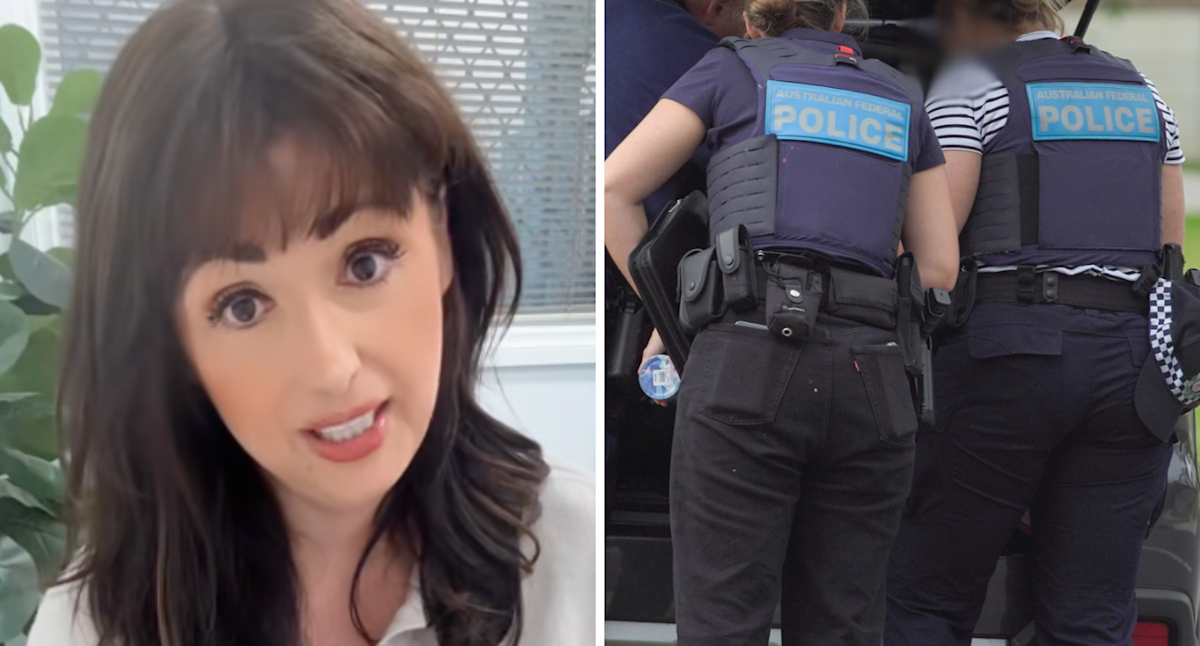
Belinda Raso, director of Tax Invest Accounting, outlined the simplistic methods employed by the scammers. They typically registered for an Australian Business Number (ABN), logged onto myGov to register for GST, and submitted false activity statements. "It was literally just thousands of dollars worth, and they would sit back and watch the money hit their bank accounts," she noted. The scheme’s prominence on platforms like TikTok has led to its popular identification as the “TikTok GST scandal.”
ATO’s Warning
The ATO has issued a stern warning to the public regarding the ongoing GST fraud, emphasising that anyone trying to engage in it will eventually be caught. They remind individuals to scrutinise claims of free money or loans that require no repayment. "Simply speaking, if you don’t operate a business, you don’t need an ABN, and you shouldn’t lodge a BAS (Business Activity Statement). This is fraud," the ATO stated.
Those convicted now carry a criminal record, which can adversely affect their employment prospects, ability to travel, and access to loans and insurance. The ATO has also clarified that the fraudulent GST claims will remain on their records, with the agency pursuing repayment and potentially seizing future refunds.
The ATO employs advanced risk models and collaborates with banks, law enforcement, and other organisations to share information and combat fraud effectively. They also rely on community tip-offs and various sources to identify fraudulent activities.
This ongoing investigation serves as a cautionary tale against engaging in fraudulent schemes, particularly those proliferating on social media. The ATO’s rigorous measures and commitment to tackling GST fraud highlight the necessity for accountability and diligent compliance among businesses.