Federal Reserve’s Cautious Stance Amidst Global Tensions
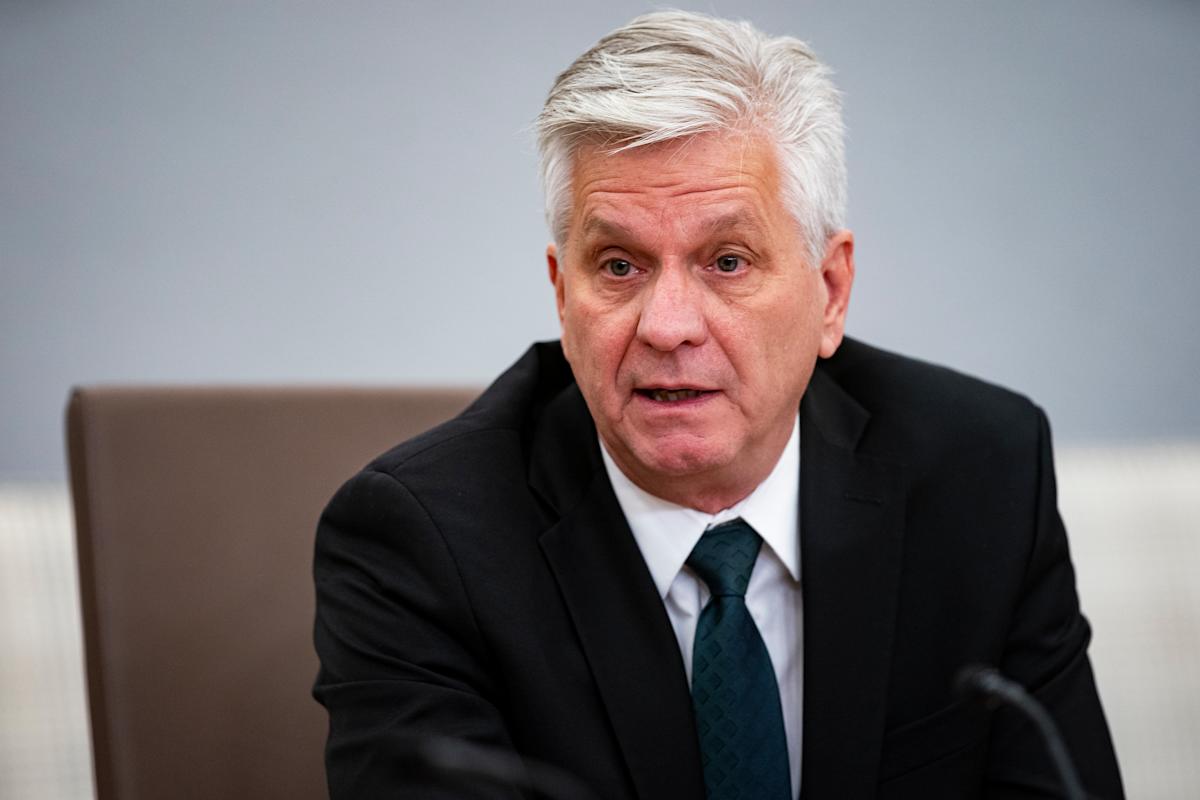
Federal Reserve Governor Chris Waller has expressed a measured approach regarding potential interest rate cuts, emphasising that the ongoing conflict in Iran plays a significant role in shaping economic conditions. While addressing a gathering in Alabama, Waller acknowledged the impact of rising energy costs, which have followed previous tariff-induced inflation pressures over the past year.
Waller pointed out that consumers and businesses might be facing a series of "transitory shocks" that could alter their spending behaviour. He stated, “If the shocks hit one after another, they will keep inflation elevated for quite some time.” This accumulation of shocks could lead households and businesses to adapt their price and wage-setting strategies, potentially embedding higher inflation expectations into the economy.
Despite a general resilience in consumer spending amidst rising costs, Waller warned of a potential threshold where spending could falter, adversely impacting job creation. He noted that, should the Iran conflict persist, he would closely monitor employment trends and unemployment rates for signs of labour market weakness.
In discussing the implications of the Strait of Hormuz’s accessibility, Waller mentioned that if trade routes stabilise and energy prices begin to normalise, he could shift his focus more towards assessing the job market. Nonetheless, this doesn’t translate to immediate rate reductions, as he still prioritises a cautious stance that may allow for cuts later this year if economic stability is restored.
Waller’s remarks suggest that persistent high energy prices could lead to long-term inflation across numerous goods and services, potentially disrupting supply chains and resulting in a sluggish economy and workforce. In this scenario, he indicated that it may be necessary to maintain current rates as a buffer against inflation could emerge as a greater threat than a slowdown in employment growth.
In a related note, Federal Reserve President Mary Daly echoed this sentiment, stating that current interest rates are “very good” and “slightly restrictive.” According to Daly, the trajectory for interest rates will hinge on the duration of the Middle Eastern conflict. Should inflation accelerate—a scenario she considers unlikely—then the Fed might contemplate further increases. Conversely, a swift resolution to the conflict could see a return to a more accommodating monetary policy.
In summary, the Federal Reserve remains vigilant in its analysis of economic indicators influenced by global events, with Waller highlighting a dual focus on managing inflation while monitoring the health of the job market. The interplay between geopolitical challenges and domestic economic conditions underscores the complexity of making monetary policy decisions in uncertain times.