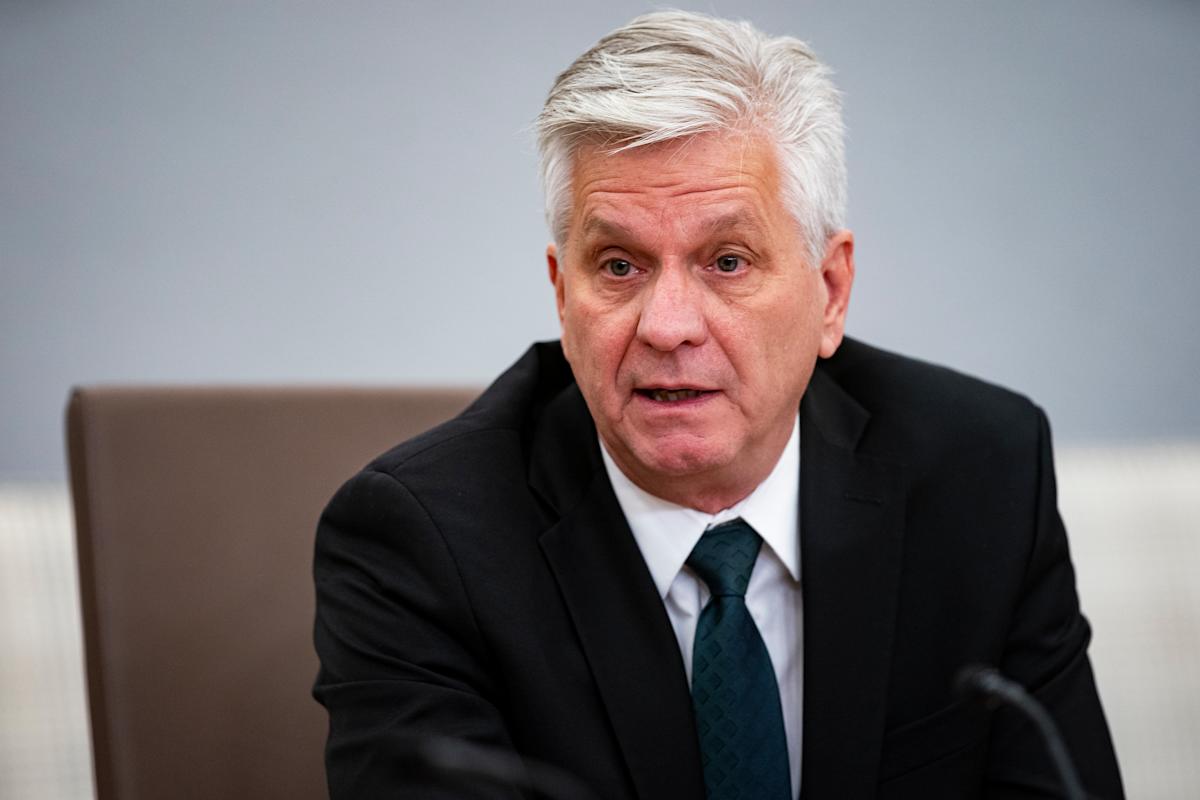
In a recent address, Federal Reserve Governor Chris Waller expressed a cautious stance regarding potential interest rate cuts amidst the ongoing war in Iran. He highlighted the pressing issue of rising energy prices, which have followed increased tariffs resulting in higher inflation throughout the past year. Waller noted that both consumers and businesses are feeling the repercussions of these “transitory shocks” and suggested that policymakers should maintain a heightened level of vigilance in response to these developments.
Waller articulated that while it may be intellectually reasonable to overlook individual economic shocks, a succession of adverse events could perpetuate high inflation levels. He elaborated on the concerns surrounding the potential for persistent inflation if households and businesses begin to adjust their price and wage-setting behaviours in response to these shocks.
Despite current spending trends indicating that consumers have largely absorbed the impact of tariffs and are adjusting to elevated energy costs, Waller warned that there may come a point when such pressures start to curtail consumer expenditure. This pullback could then influence hiring practices and the broader job market. He indicated that he would closely monitor employment figures and unemployment rates for signs of deterioration in these areas as the Iran conflict persists.
Waller stated that should the Strait of Hormuz reopen, allowing for a resumption of normal trade flows, he might reassess the impact of recent energy price surges on inflation. This would enable him to focus more on employment statistics. However, he affirmed that, for the present, he remains hesitant about initiating rate cuts, preferring to evaluate the economic landscape more thoroughly as the situation stabilises.
He cautioned that prolonged elevated energy prices could potentially embed higher inflation across various sectors. Concerns about disruptions to supply chains could arise, with ramifications that may lead to slower economic growth and employment challenges. In such a scenario, Waller noted that the Federal Reserve would have to carefully balance its response, possibly opting to maintain current interest rates if inflation presents a greater risk than declining job growth.
In a related statement, Mary Daly, the President of the San Francisco Fed, remarked that current interest rates were positioned “very well” and classified as “slightly restrictive.” She noted that the trajectory of interest rates would largely depend on the duration of the Middle Eastern conflict. While she indicated that the Fed could maintain the current rates to curb inflation effectively, she also acknowledged that if inflation were to escalate—contrary to her primary projection—the Fed might consider raising rates. Conversely, if the conflict resolves rapidly and oil prices decrease, the possibility of previous rate cuts might be revisited.
In summary, both Waller and Daly’s comments reflect a cautious but measured approach from the Federal Reserve as it navigates through an economically uncertain landscape shaped by geopolitical events and fluctuating energy prices. They underscore the importance of closely monitoring economic indicators while balancing the risks associated with inflation against those relating to employment.